
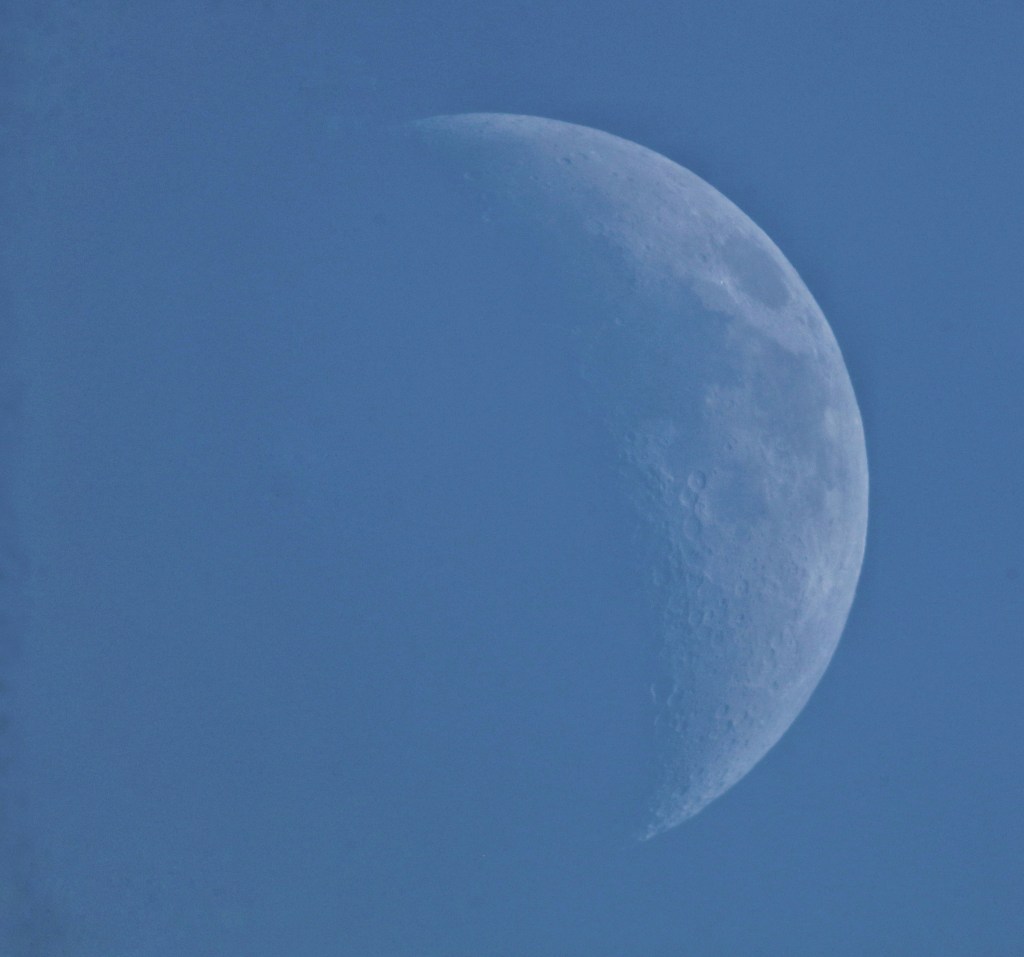
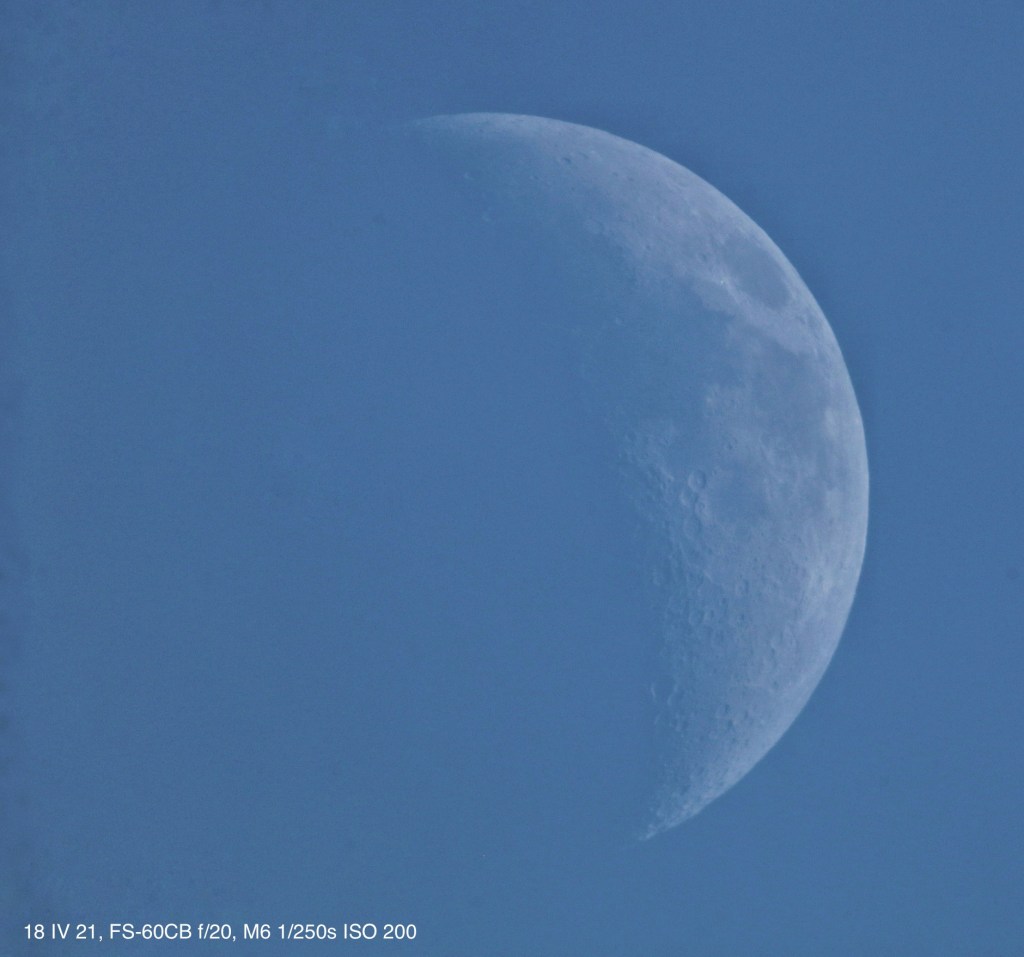
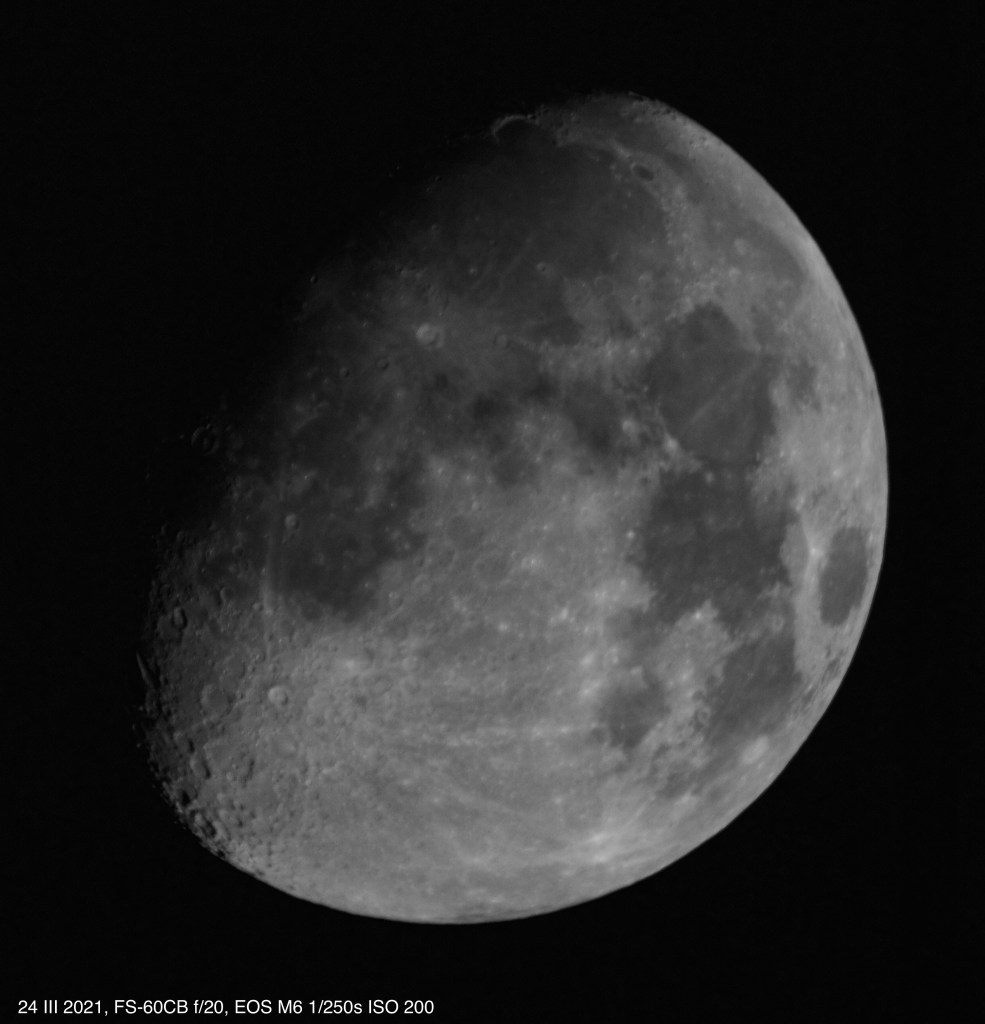
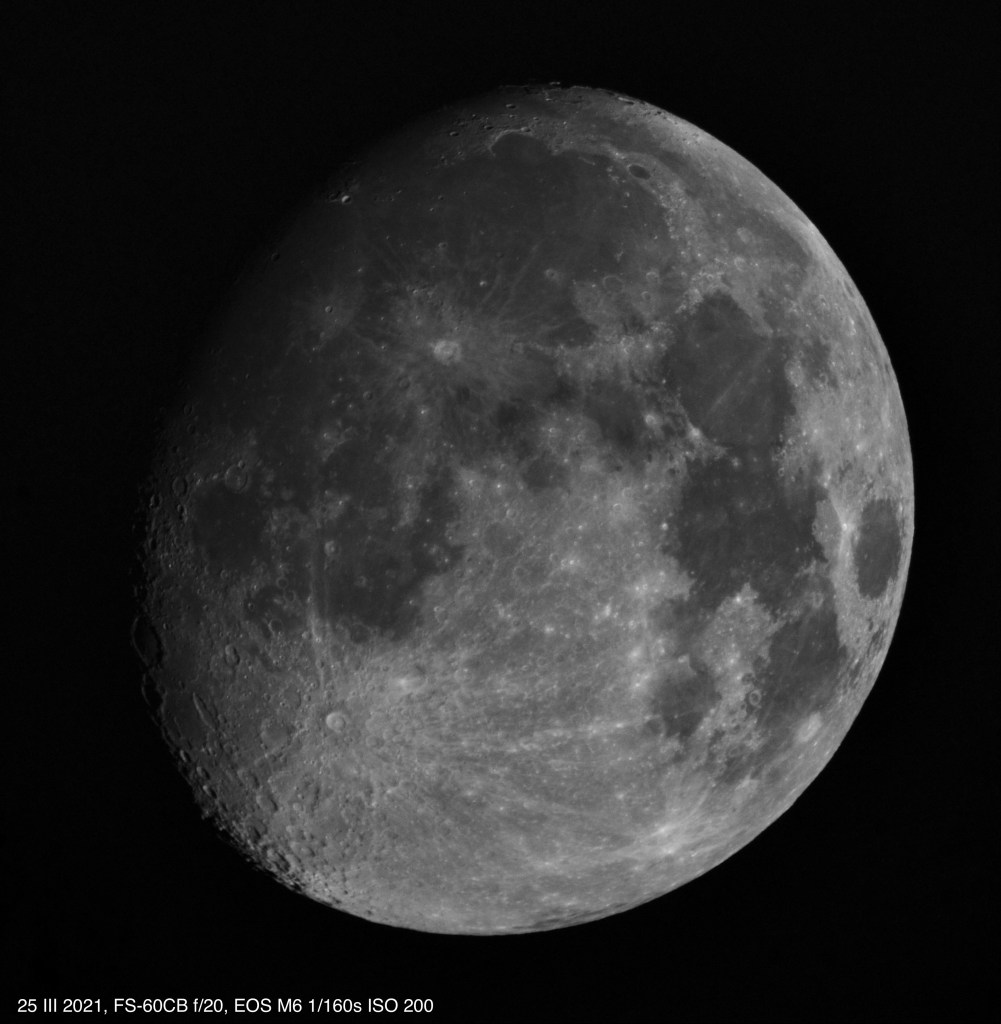
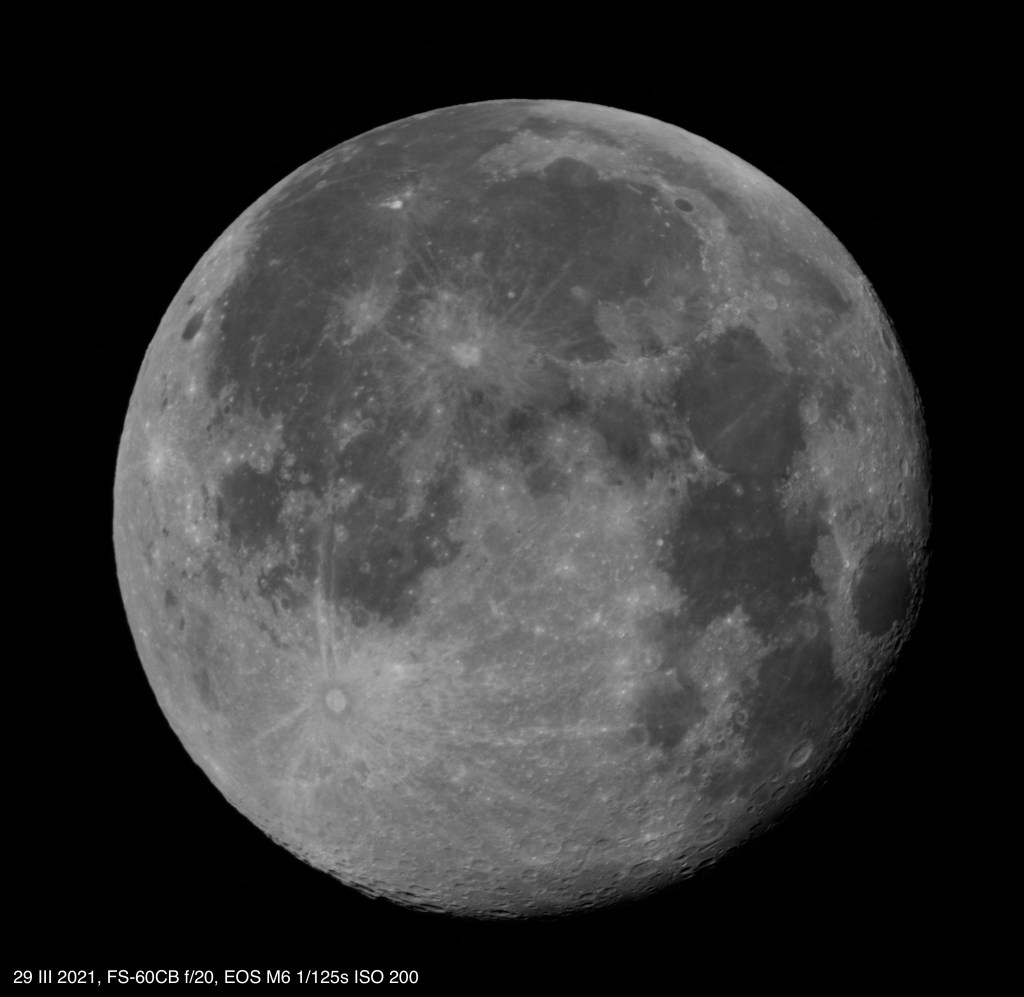
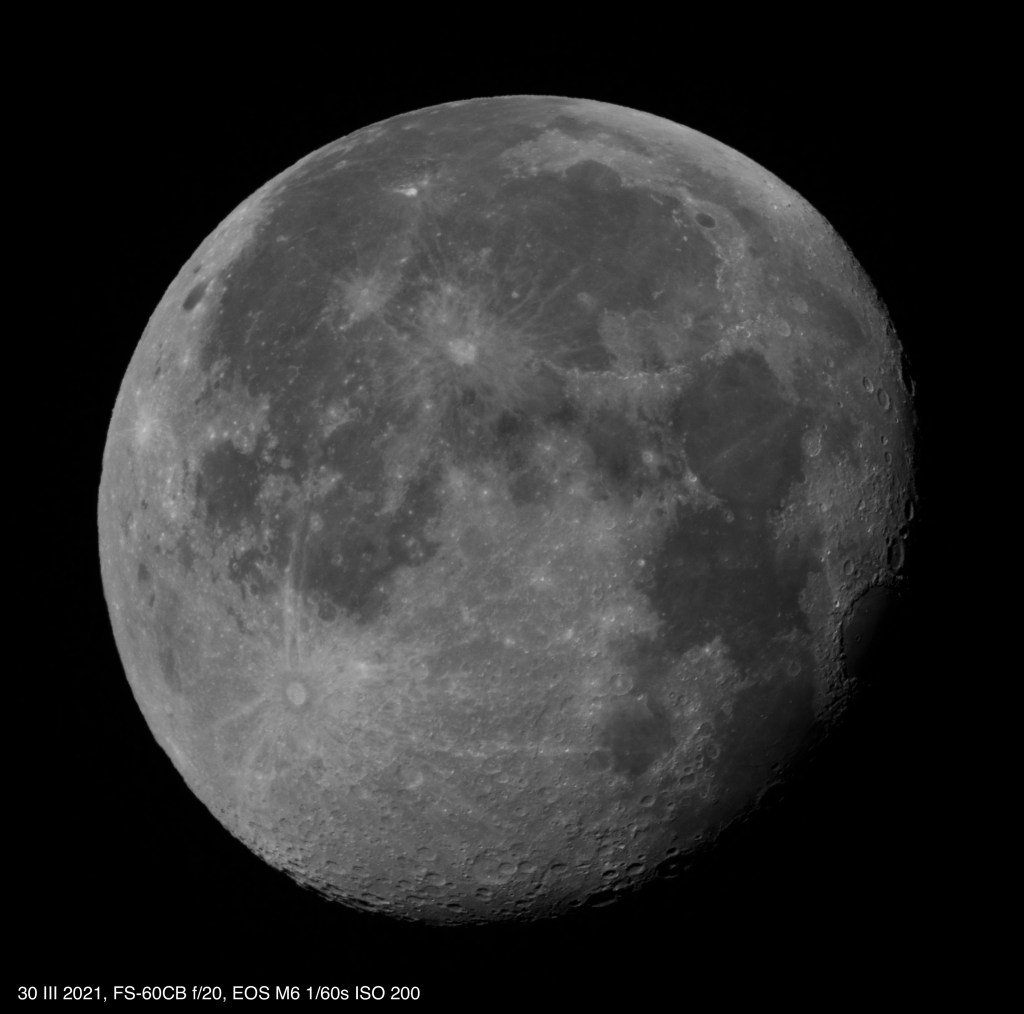
A suite of photos over several days nicely showing the change in phase each evening.
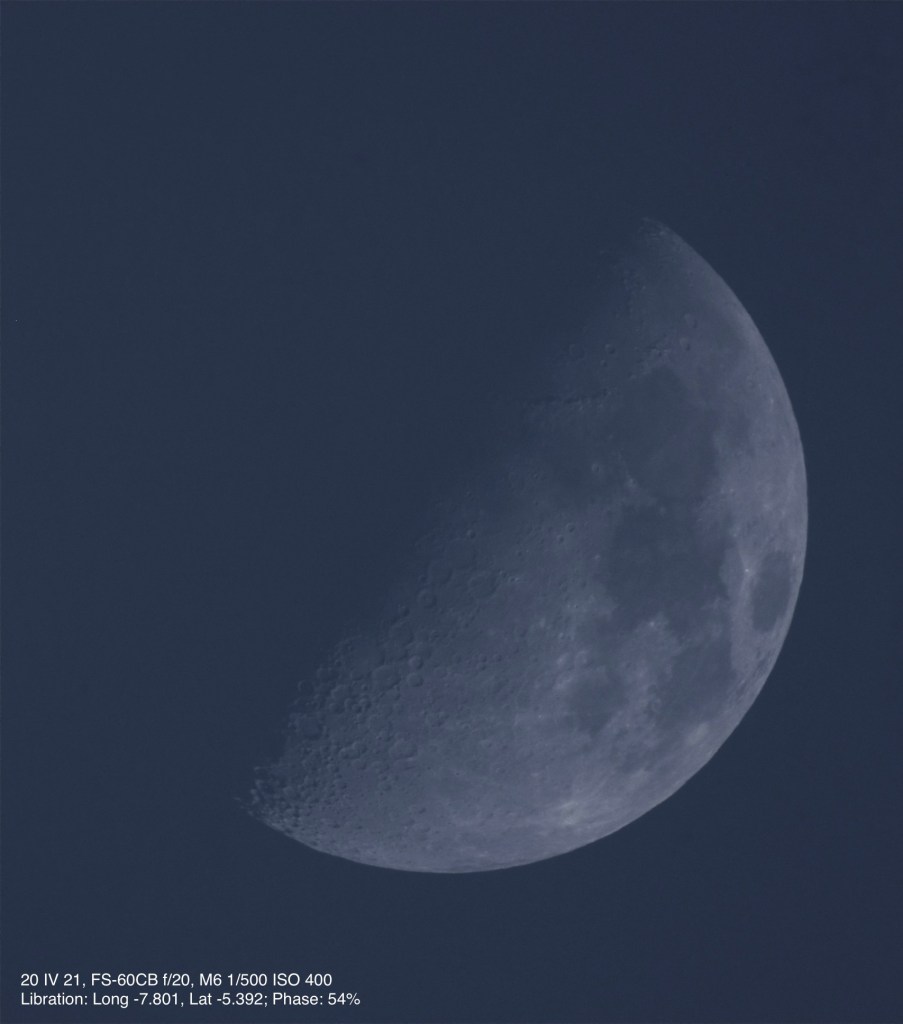
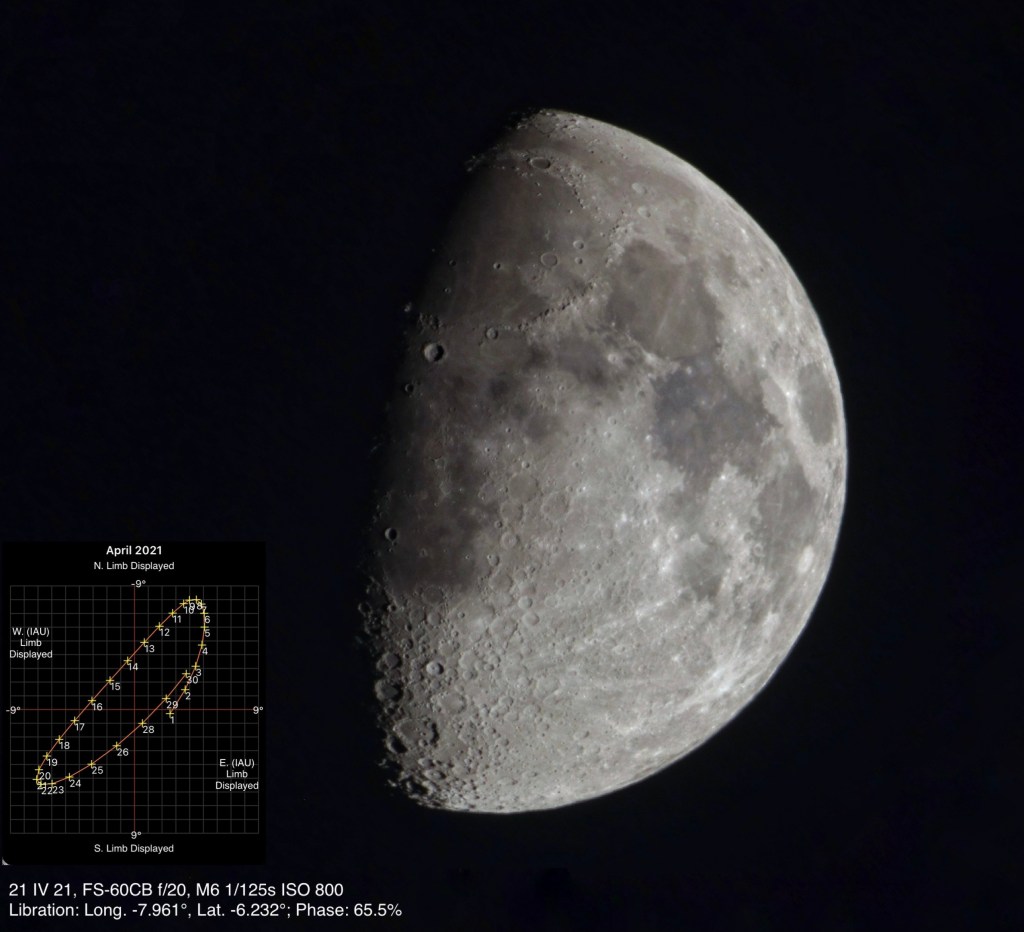
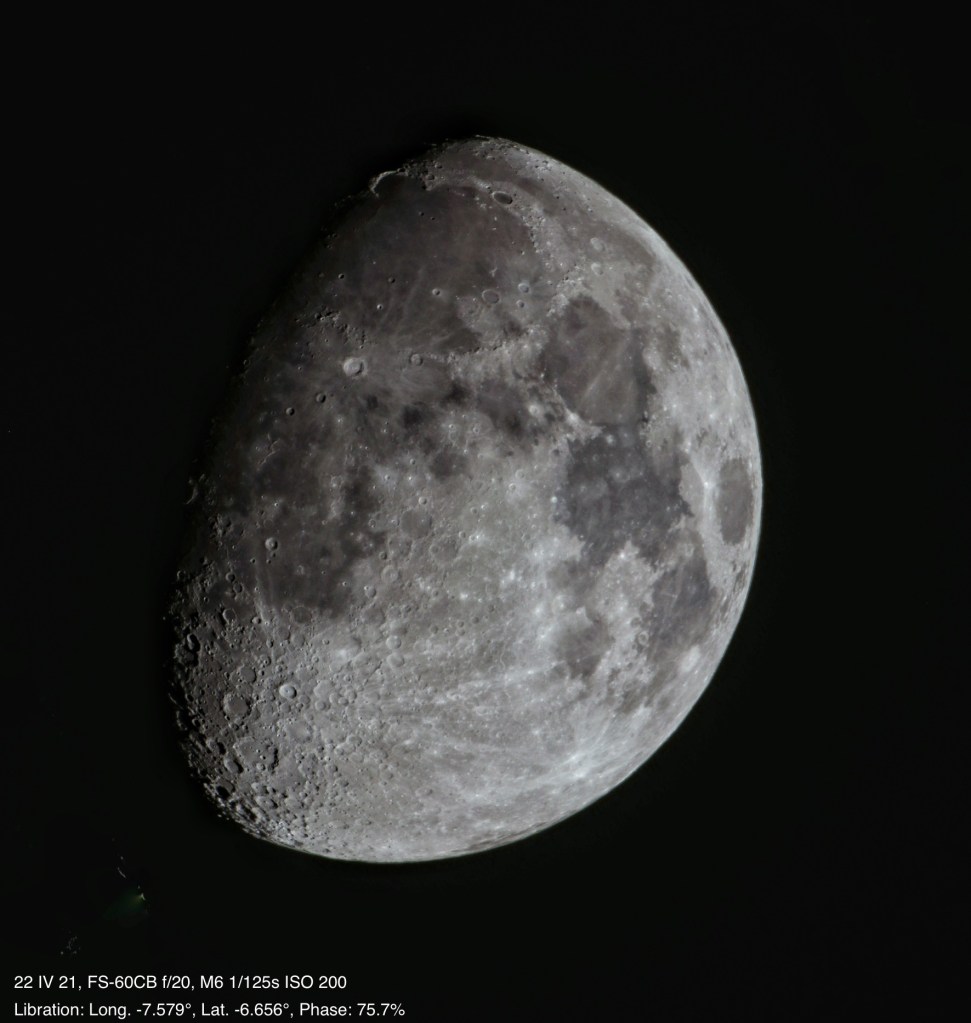
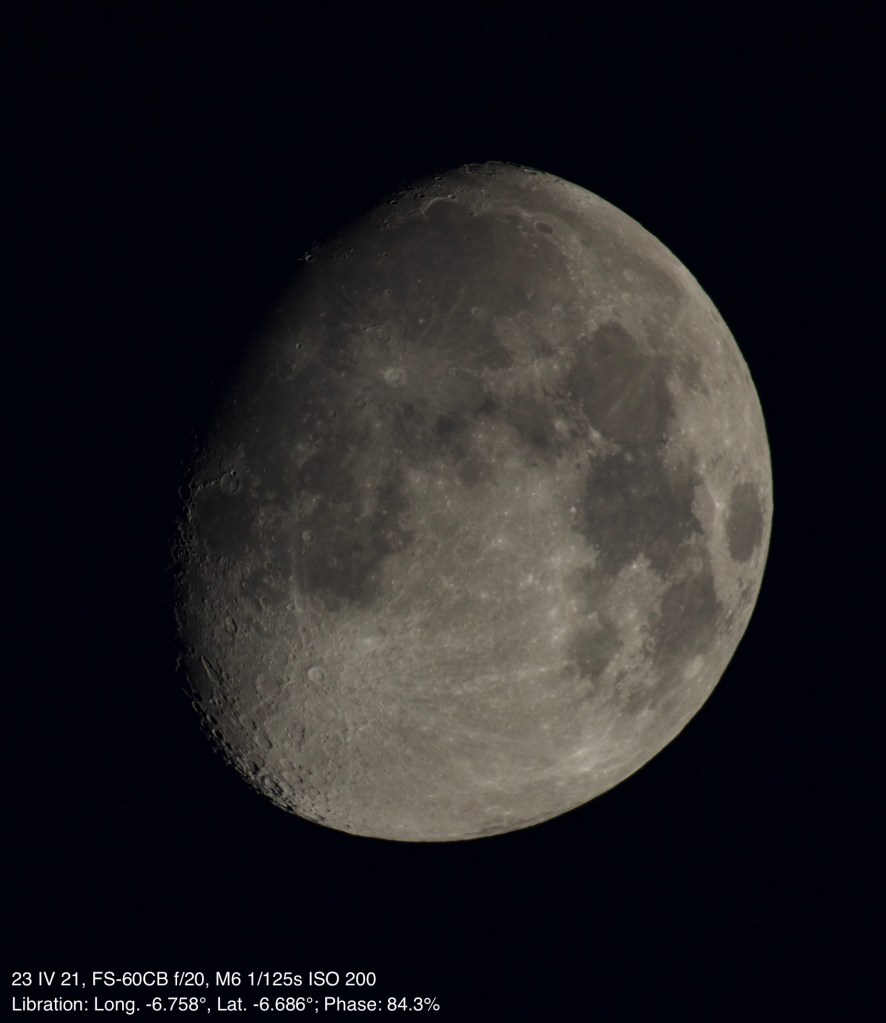
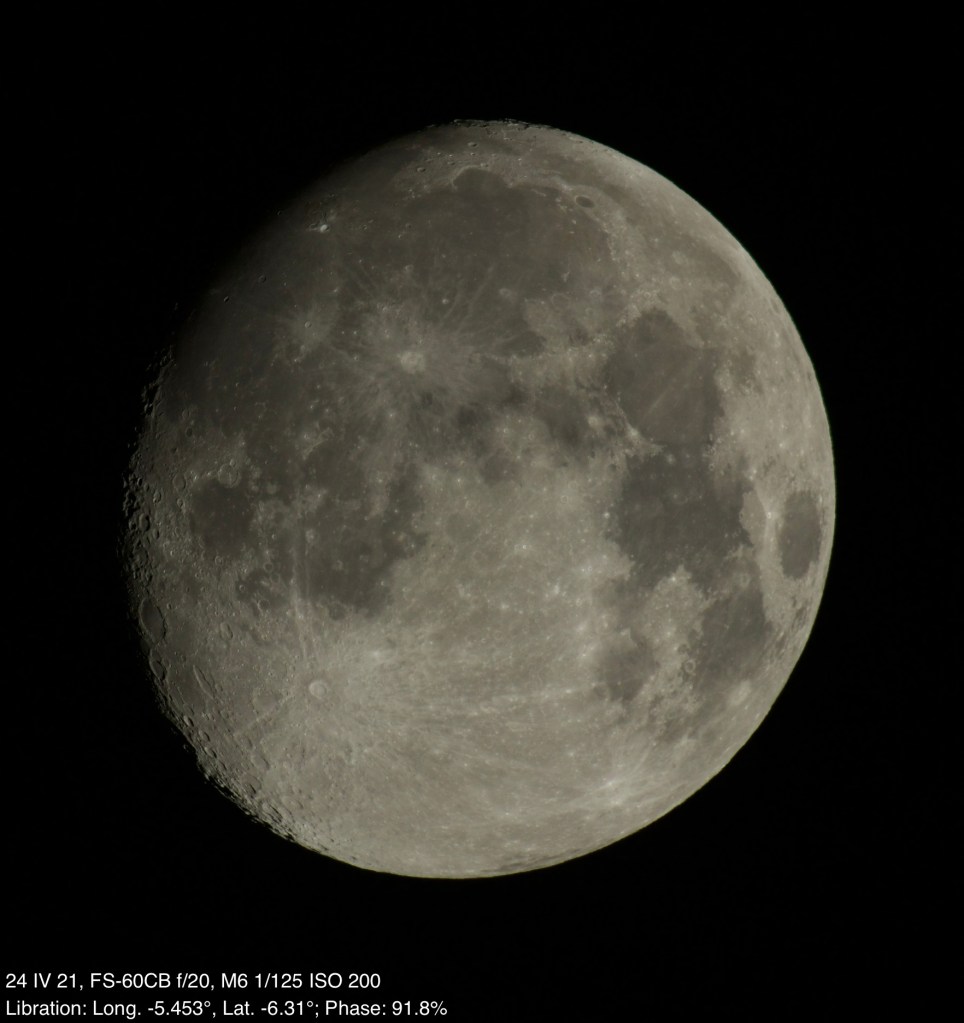
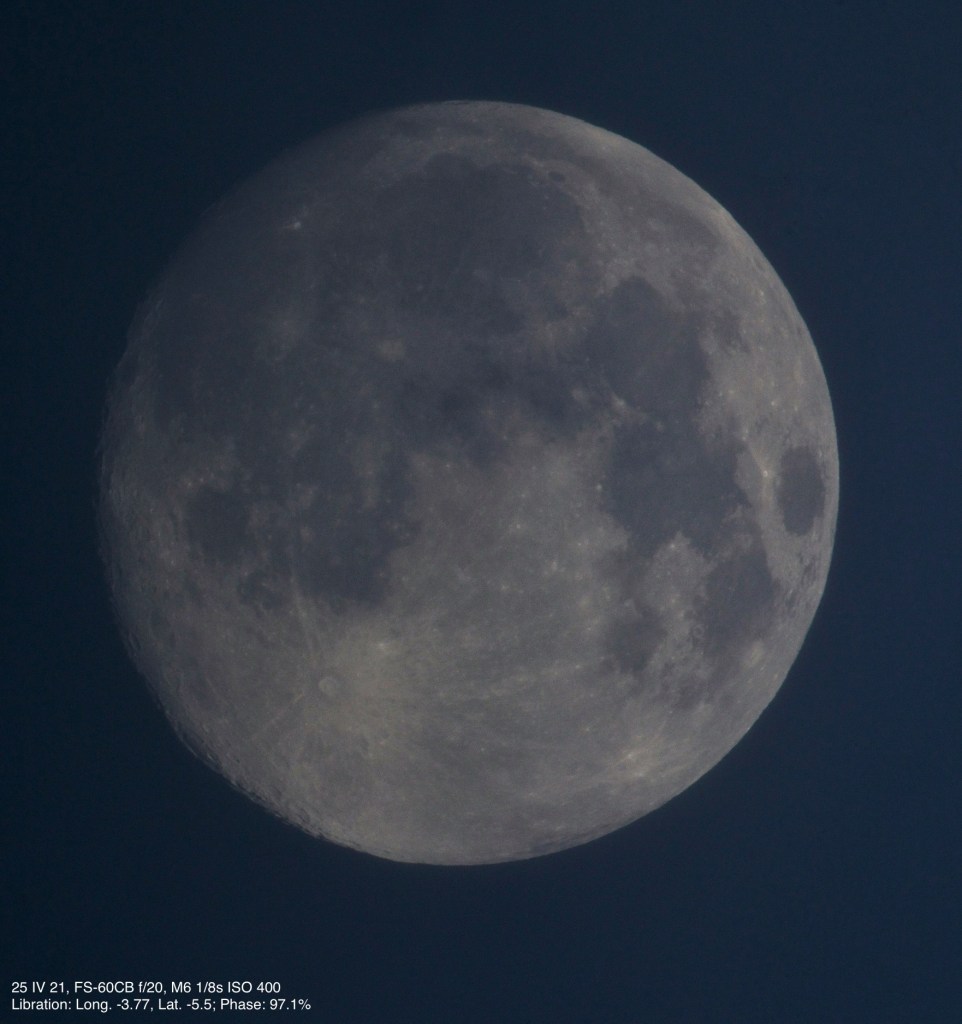
A suite of photos over several days nicely showing the change in phase each evening.
South-Western side is tipped into view, but illumination is unfavourable.
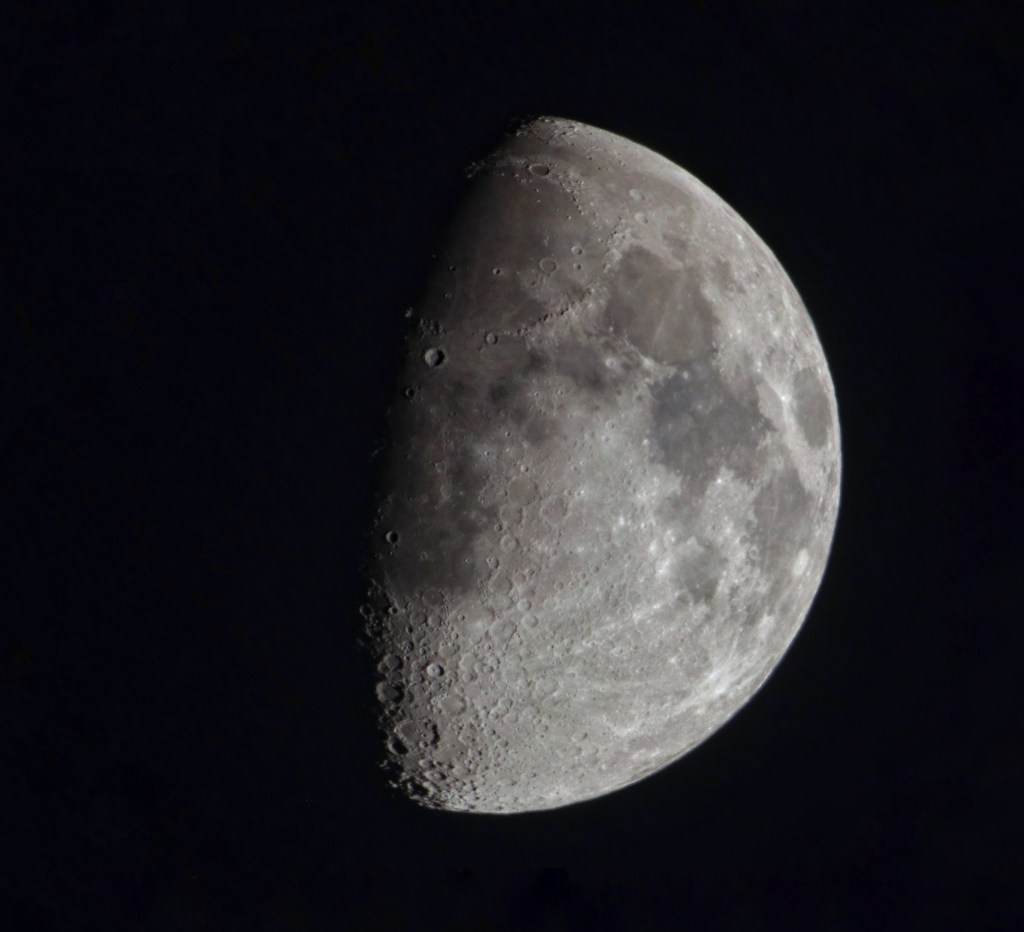
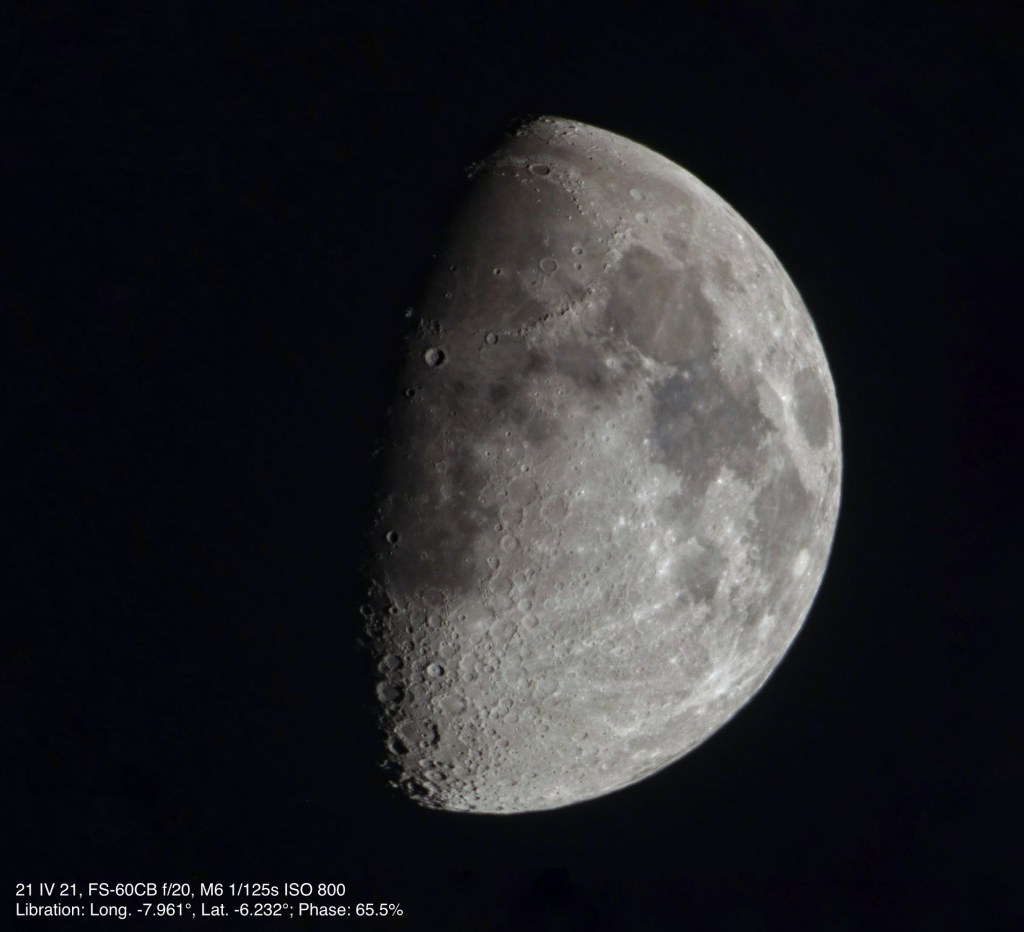
Libration visible on the Eastern limb:
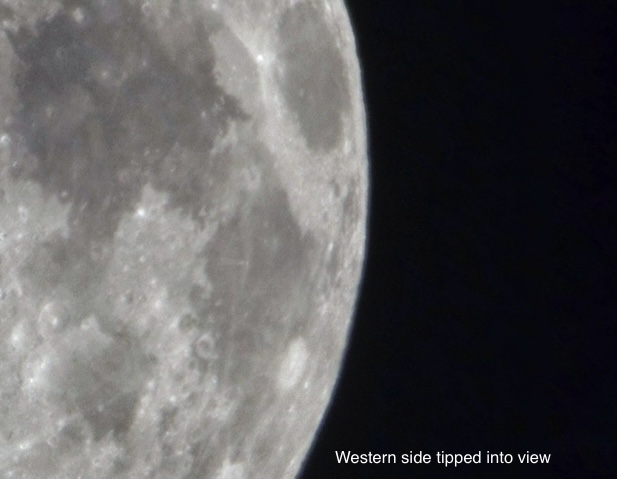
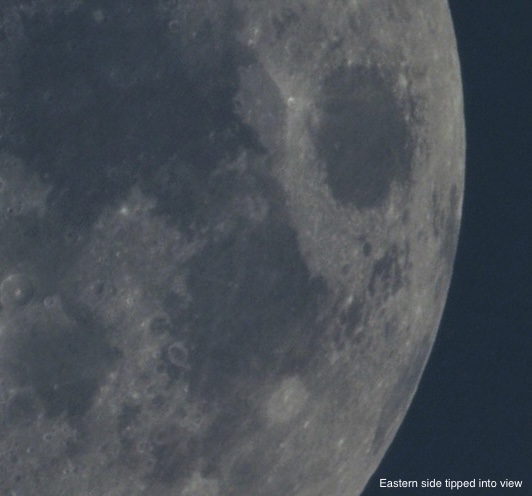
Libration features on the Eastern limb:
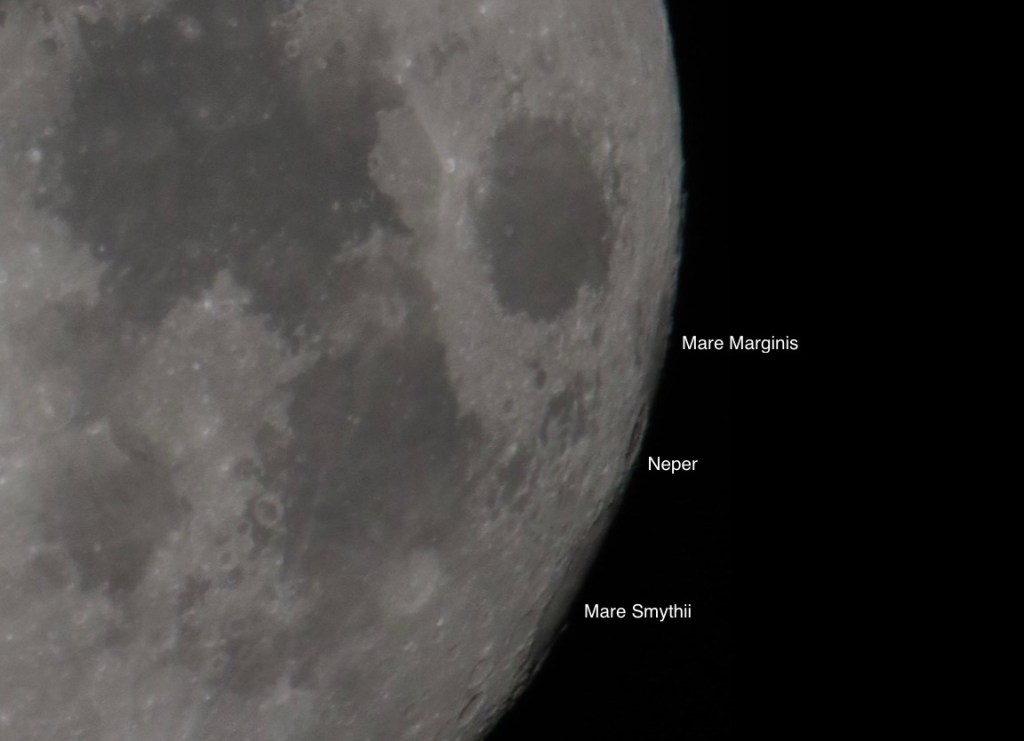
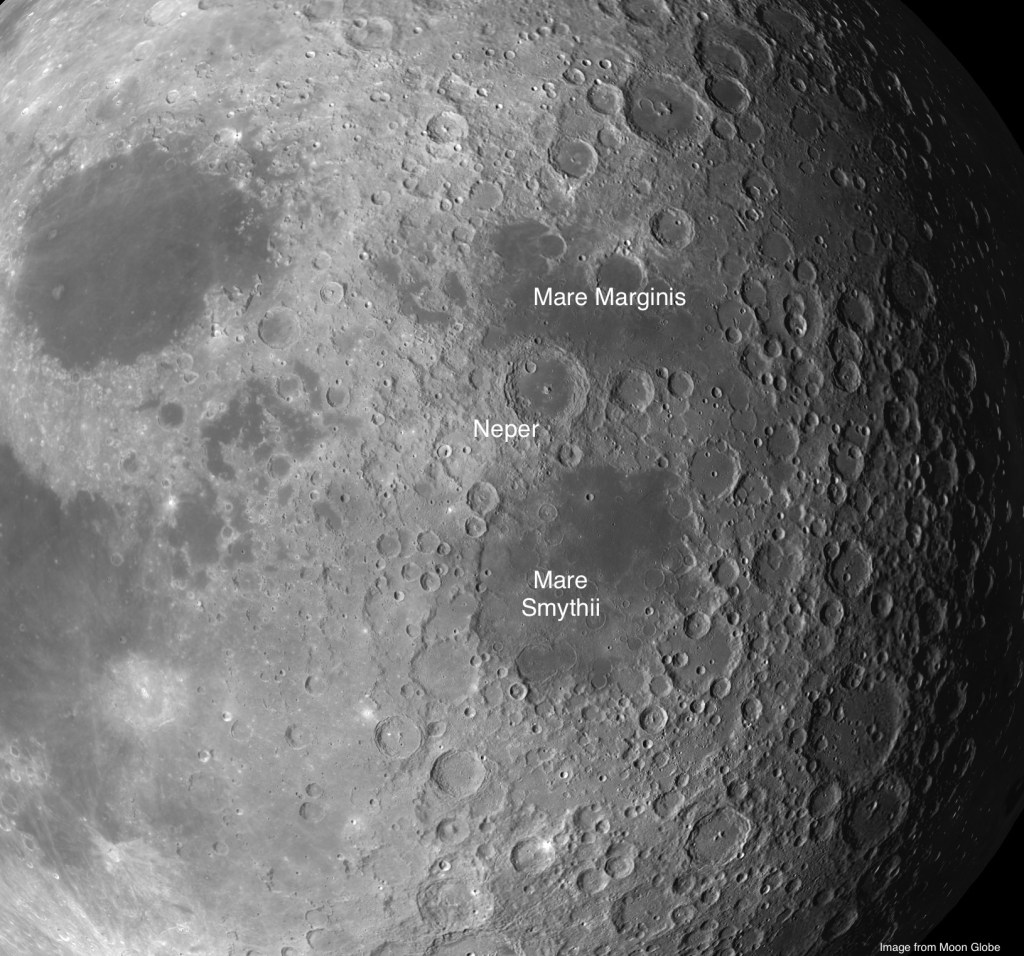
A photo of the Moon just hours away from 100% illumination showing rare libration features in the East:
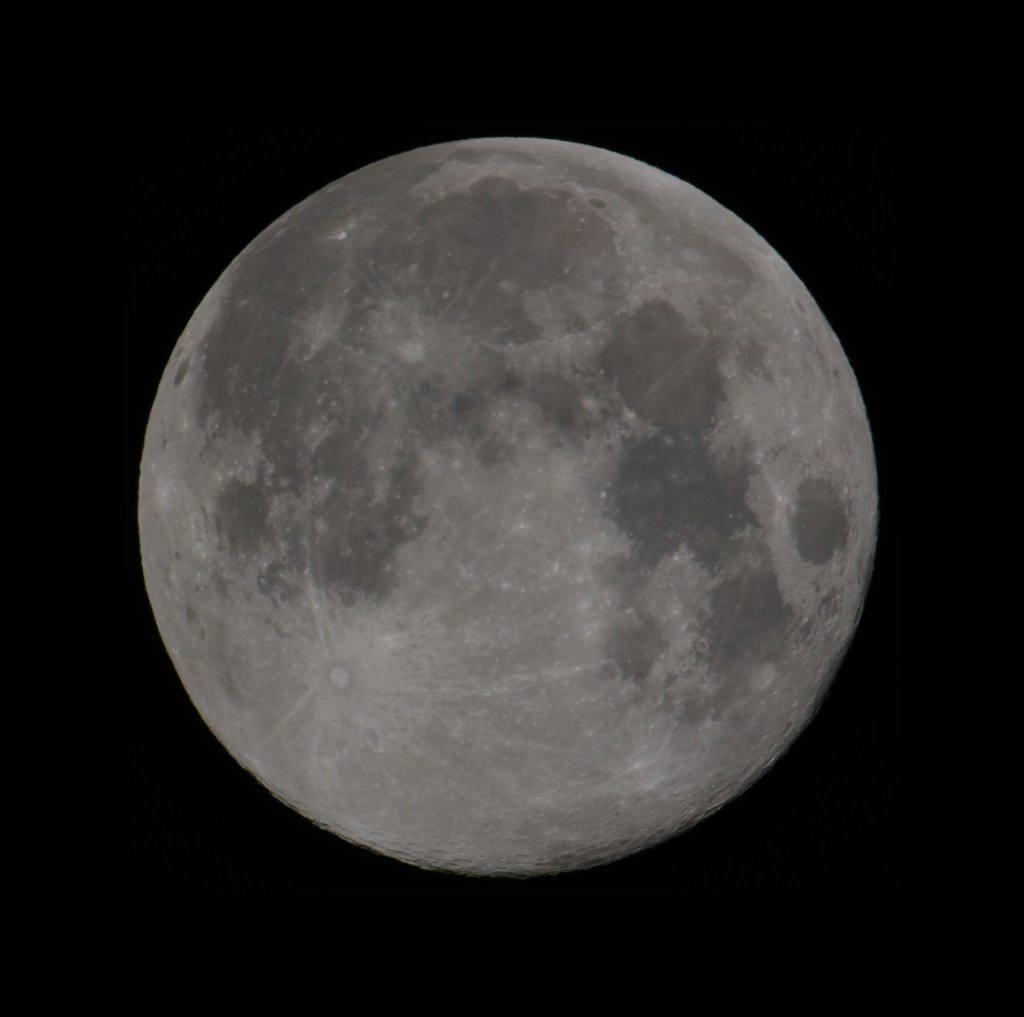
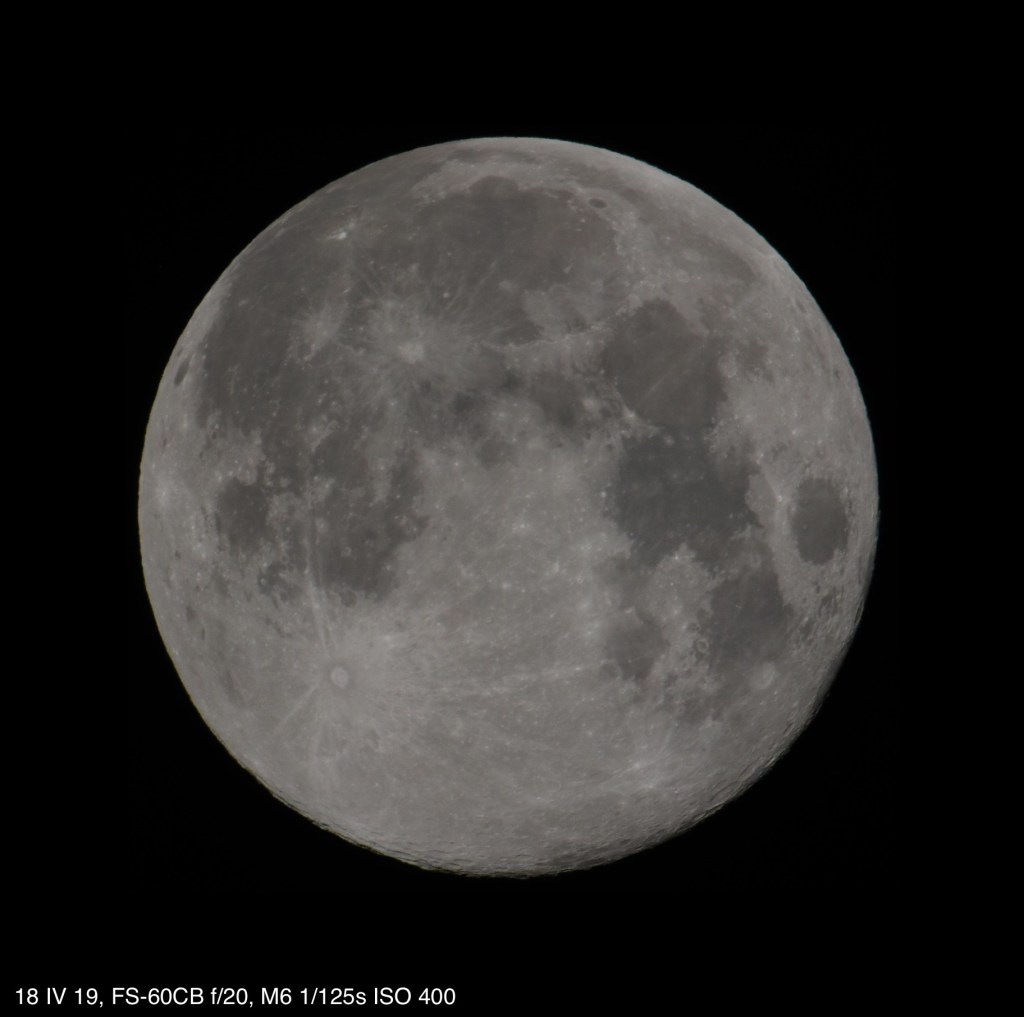
Seeing much better than last time, shot through clouds though.
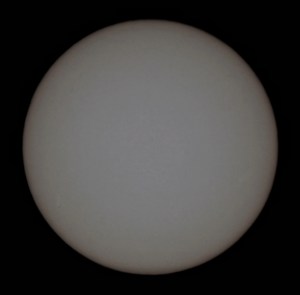
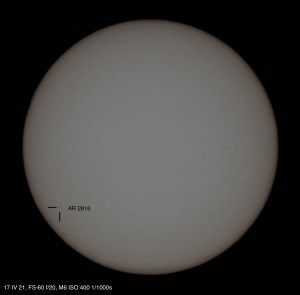
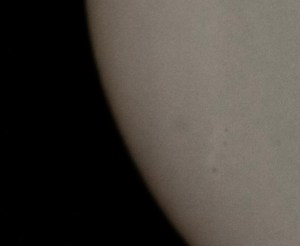
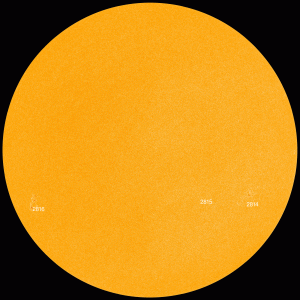
These sunspots are part of solar cycle 25, expected to peak earlier than predicted, in 2024.
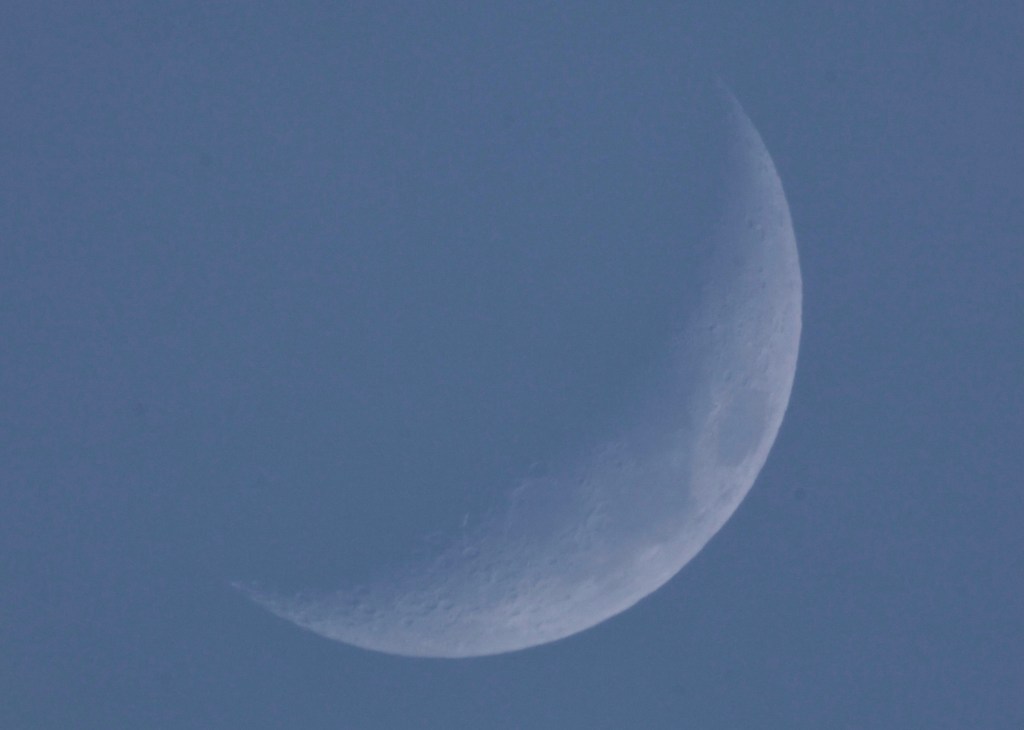
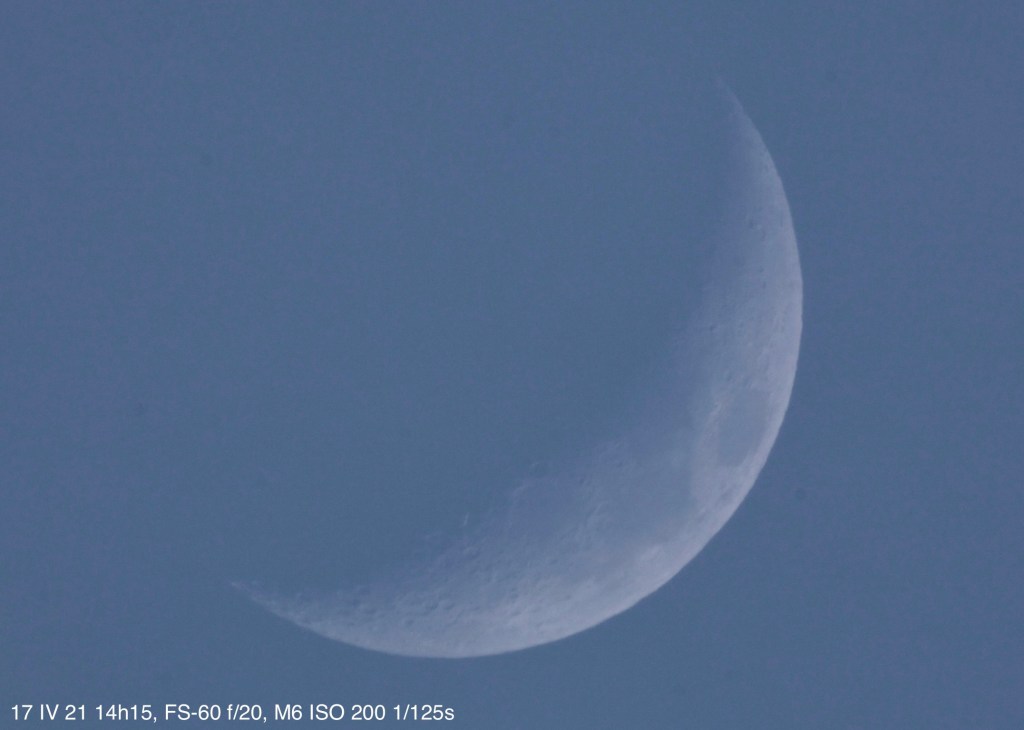
Sun was still high above the horizon at 14h15. Venus was less than a degree away but drowned in the daytime sky. Seeing was impossibly bad, making focusing next to impossible.
Astronomers studying variable stars have compiled catalogues listing about 10’000 stars visible with the naked eye (Mag 6.5 and less). This includes both hemispheres, so an observer at mid-Northern latitudes would technically be able to see about 6’800 stars on any given night (this takes into account the Southern stars visible in the North). Out of those 6’800 dots that one can see, five of them are planets. So how to tell the difference?
Stars emit their own light, whereas planets reflect the light of the Sun. Stars are point sources of light, meaning they have no apparent diameter – no matter how high the magnification, it’s impossible to see the actual sphere that makes up the star. Planets are significantly closer and one can see their actual shape, be it small (arc-seconds of a degree). As a result, star light is more prone to distorsions from the atmosphere and this is why stars twinkle, whereas planets do not.
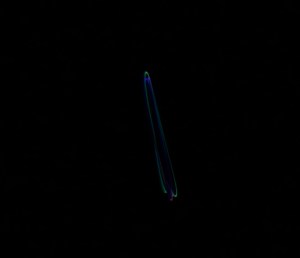
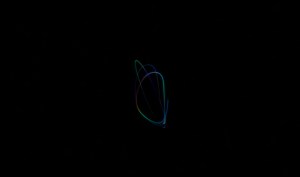
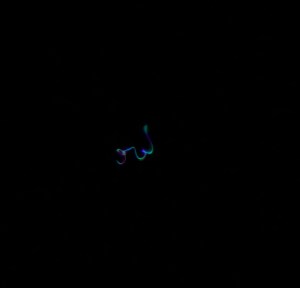
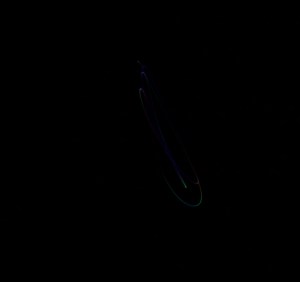
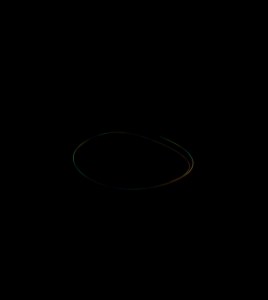
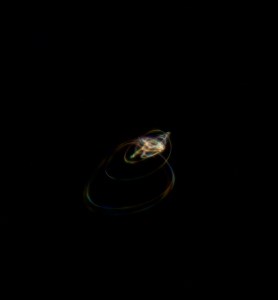
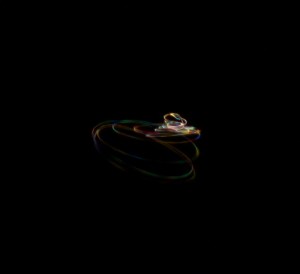
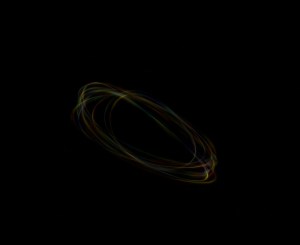
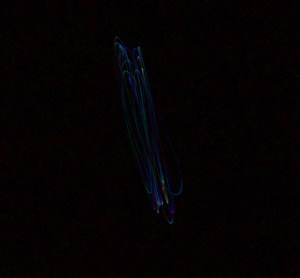
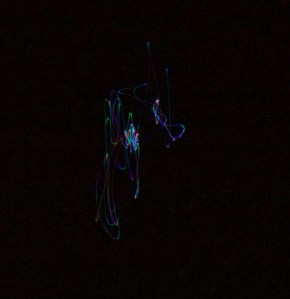
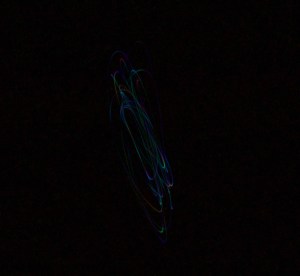
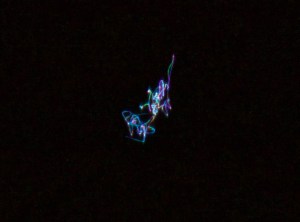
How to photograph the twinkling of stars:
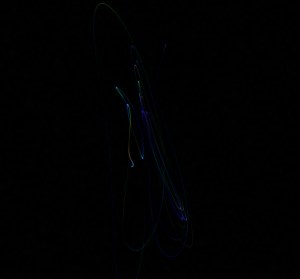
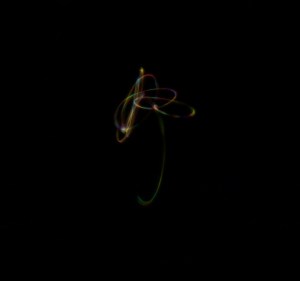
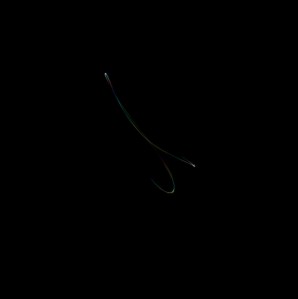
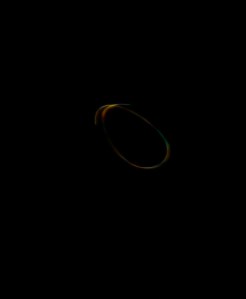
Expose for 2-3s and gently tap on your camera to induce movement and get a line on the photo, rather than a dot. Light from planets will be monochrome (Mars is a good target, because it’s nice and red), whereas light from a star will pass through all the colours of the rainbow as it’s distorted by the atmosphere.
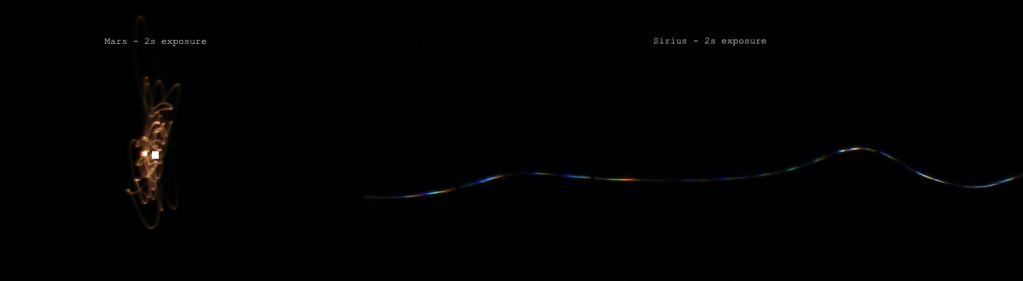
Mars shows a constant red colour whereas a star will vary both in intensity and colour.
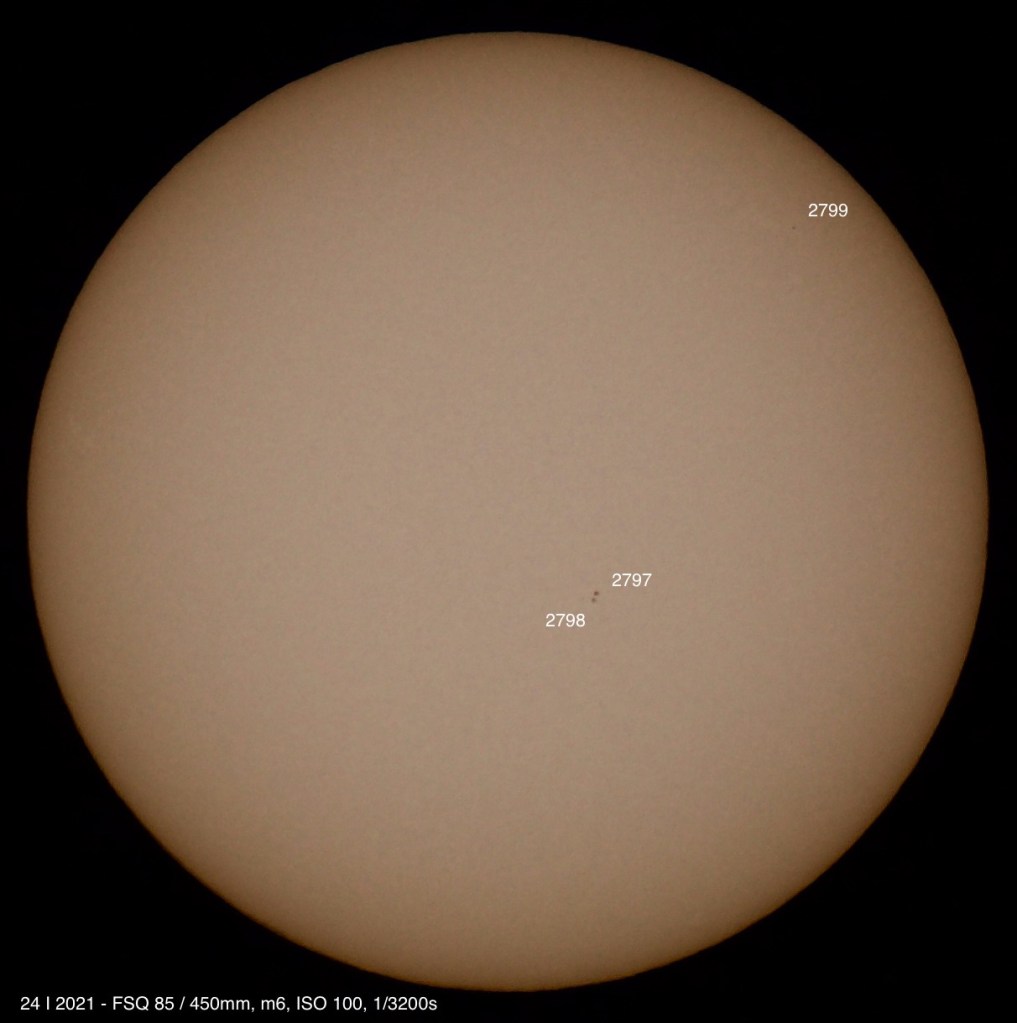
Below, the small sunspots designated AR2797, AR2798 and AR2799. The latter has the particularity of being the first in the Northern hemisphere of the Sun for the last 2 months. This is a one-shot exposure of 1/3200s at ISO 100 on an APS-C CMOS sensor through a 85mm f/5.3 refractor (Takahashi FSQ85) with a visible light sun filter (transmission 0.01%).
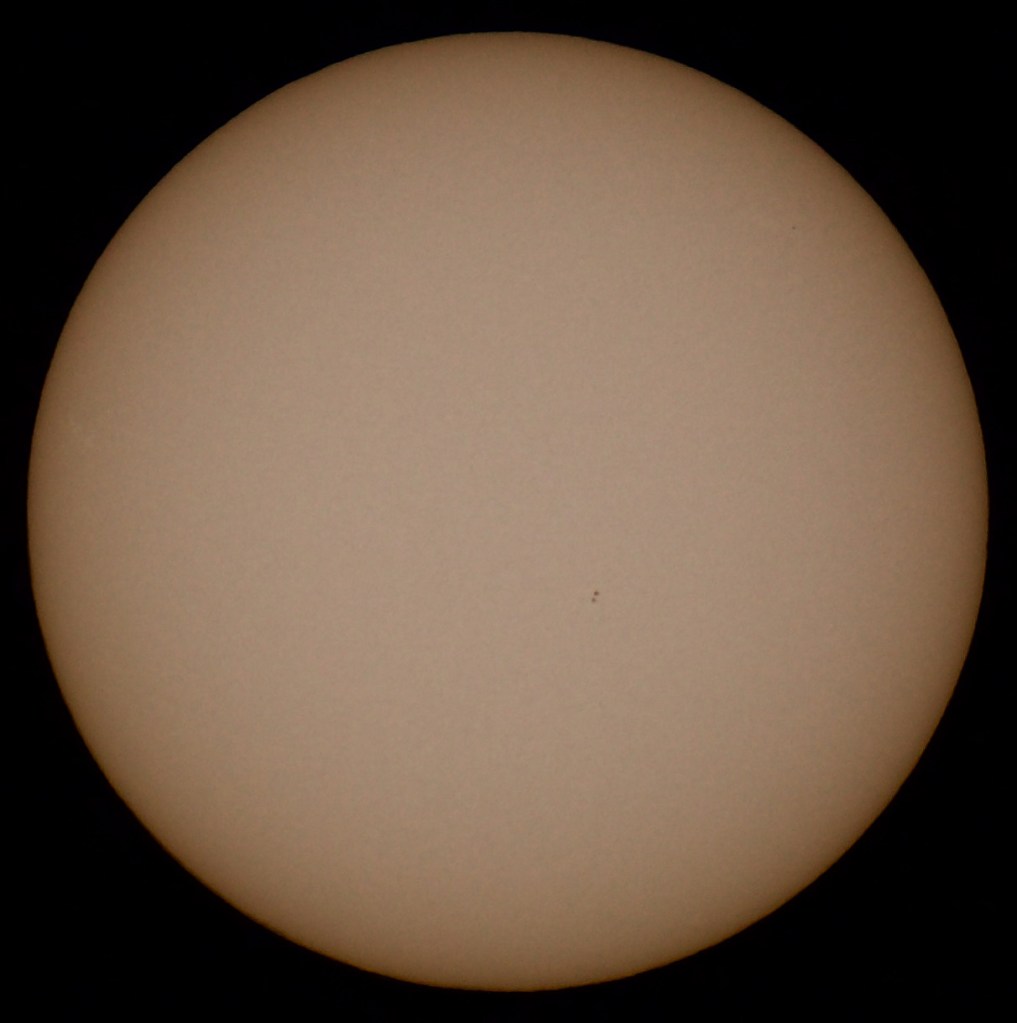
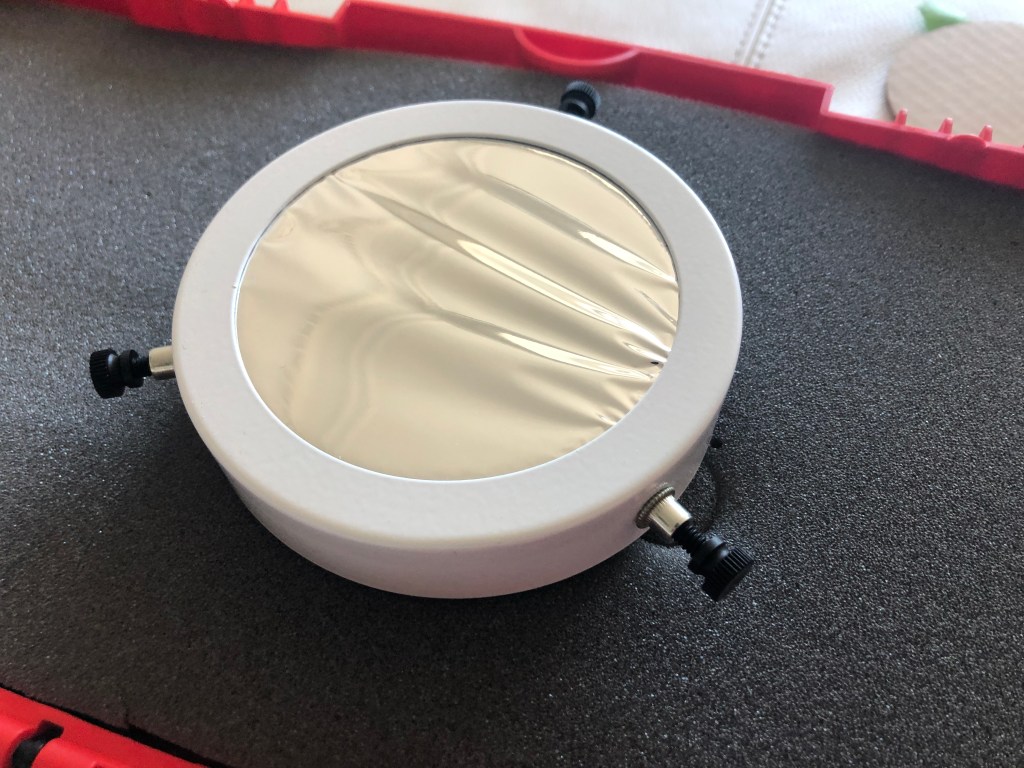
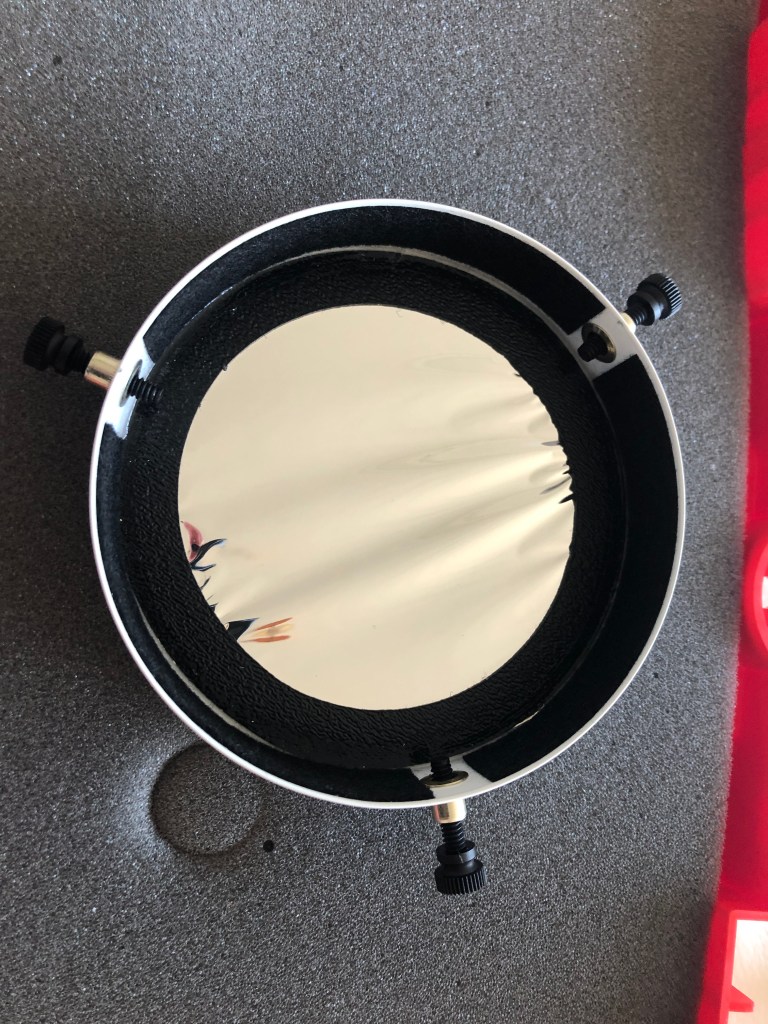
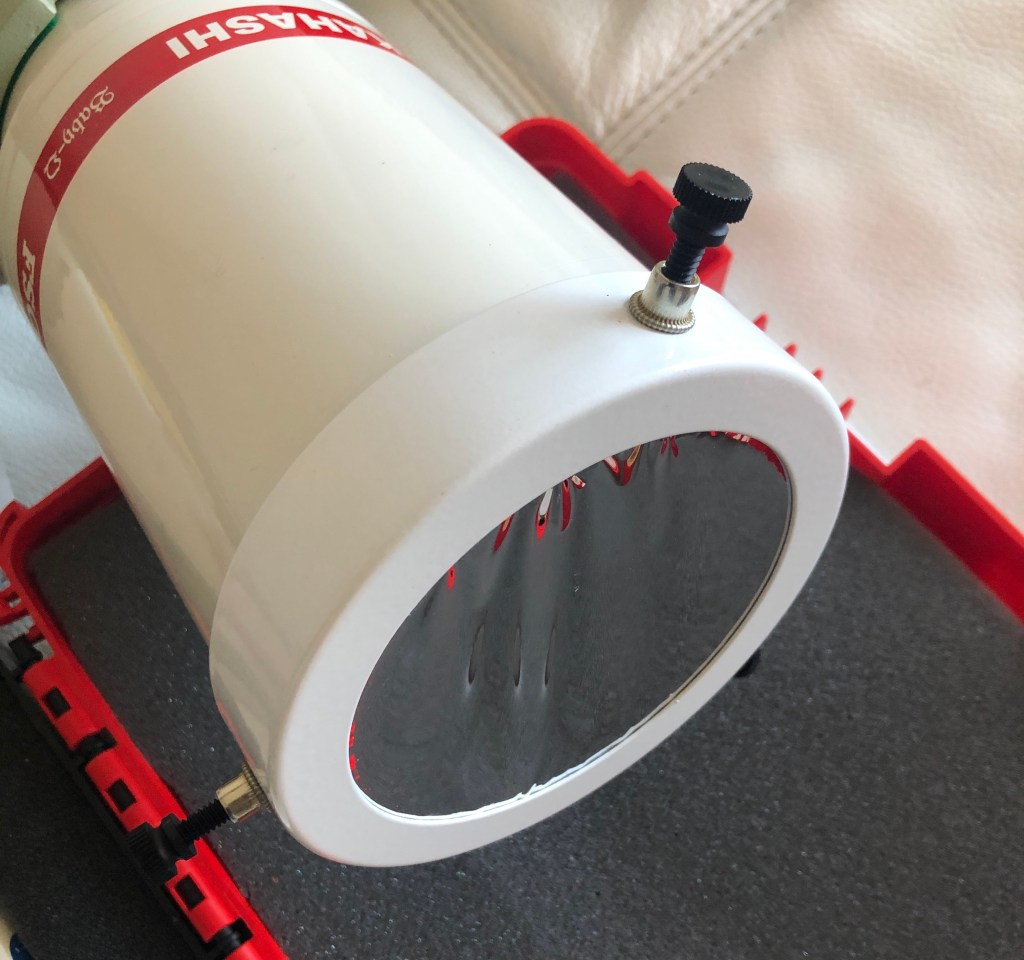
The sun filter is a Mylar sheet (a form of dimensionally stable thin plastic) powdered (probably) with aluminium to block 99.99% of the light of the Sun and allow observation of sunspots.
 Everything Geek