
ASI224MC & FS-60CB f/20, Teegul SP3 EQ & AsiAir+
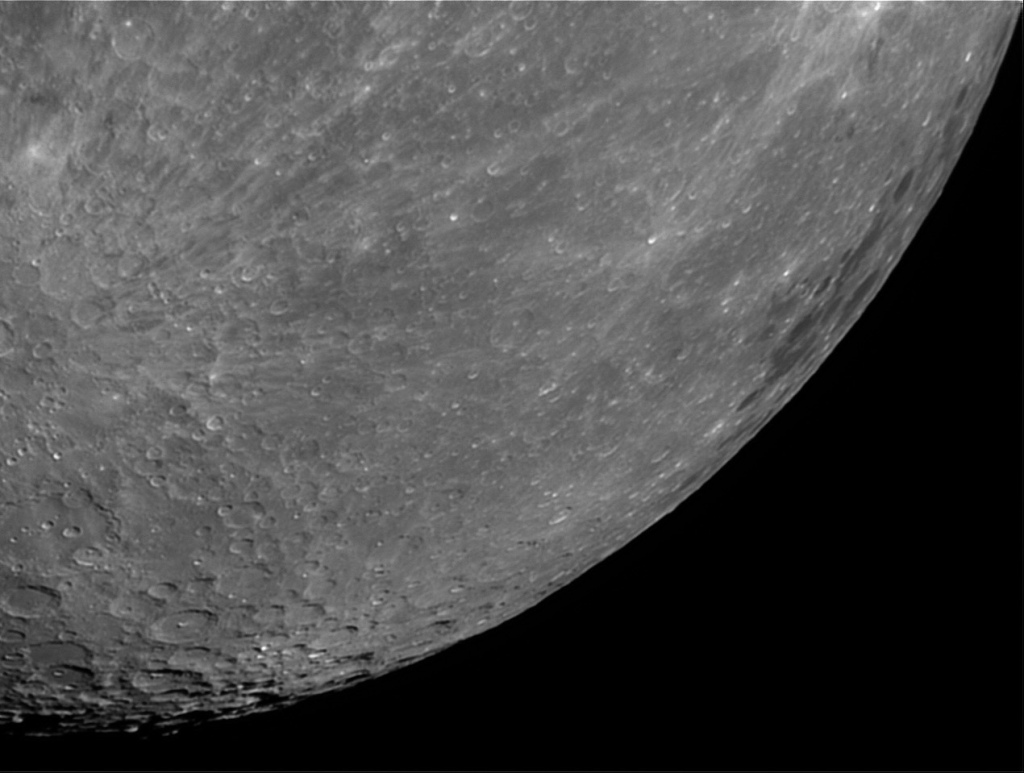


ASI224MC & FS-60CB f/20, Teegul SP3 EQ & AsiAir+
60×120”; FSQ-85ED f/6.2 & ASI071MC, GT-40 240mm & ASI224MC; ZWO AM5 & ASIair+


Emission nebula with a star cluster located 5’700 light-years away: photons travelling since 3’700 BC, when man invented writing in the early bronze age.
Mag 6.4 and 70×50 arc minutes in size.
First light for the 224MC from ZWO controlled by the ASI Air plus. Shot through the tiny FS-CB60 refractor at a whopping f/20 on a Teegul III mount.
Exceptionally bad seeing made focus quasi-impossible. Contrast very poor as it was shot during the day. This is a stack of a 90s AVI that I find surprisingly good, considering.


Libration was at maximum for the month of February with the Eastern side of the Moon tipped into view. Mare Australis is visible in the SE.
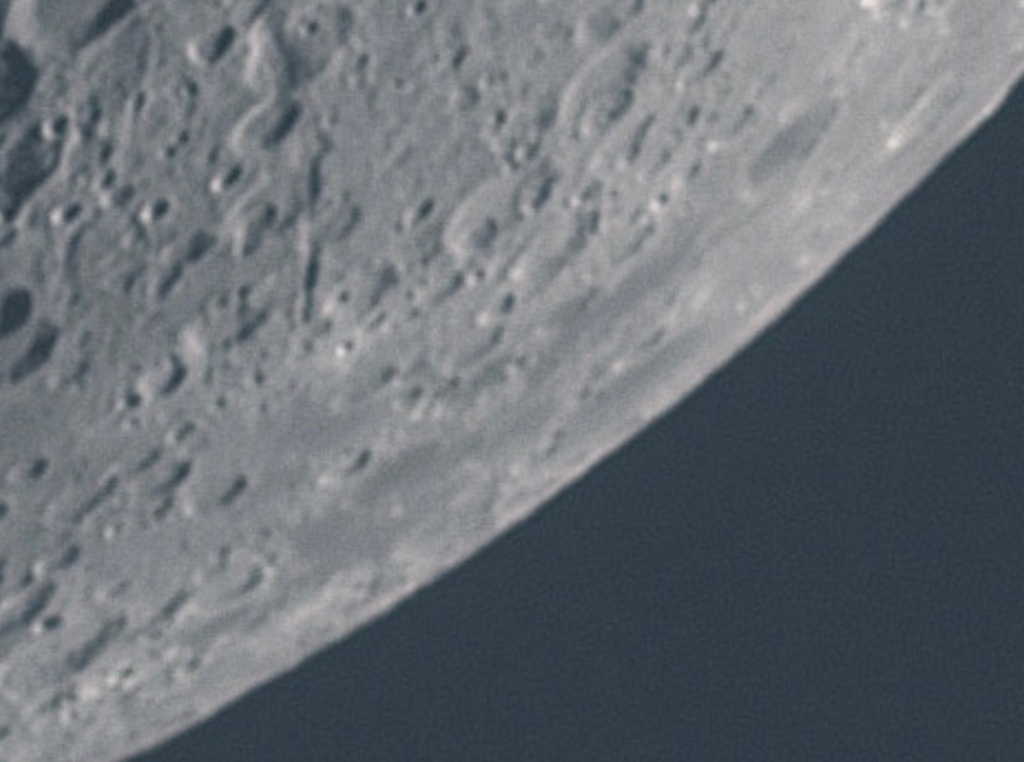
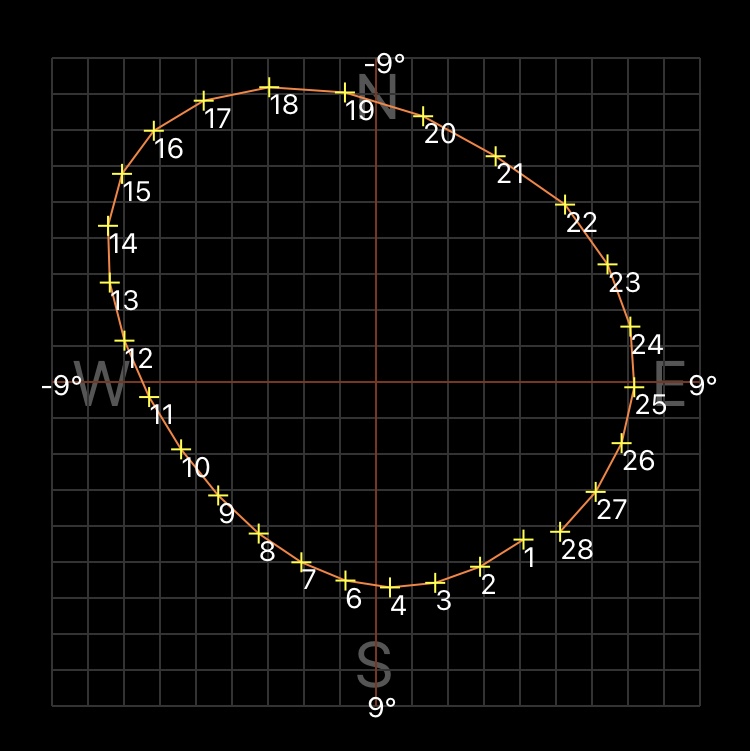
Among the interesting features south of Mare Nectaris are the Rupes Altai range and the Vallis Rheita.


Rupes Altai is a slightly arcuate escarpment bordered by craters Piccolomini to the SE and Catharina to the NW, spanning some 440km. Pictured above is the southern region of the range and the crater Piccolomini with is curious parallel double peaks. The escarpment is a portion of the outer wall of the Nectaris Basin and reaches 4000m heights with respect to the surrounding terrain, considerably more than similar structures such as Rupes Recta and Rupes Cauchy.

Vallis Rheita is 450km long and widest at 30km, formed from a series of overlapping craters that radiate to the center of Mare Nectaris. It is thought to have arisen from secondary events following the Nectaris impact.
Jupiter around opposition, sporting a whopping 50 arcsec diameter and shining bright at mag -2.9. Three of the four galilean satellites are visible.

Below, the apparent movement of Io over about half an hour: from directly in front of the planet (south-eastern limb) to outside the diameter, on the lower right.

The North pole of the Moon is tipped into view thanks to the current libration in latitude of about 8°, which is significant.
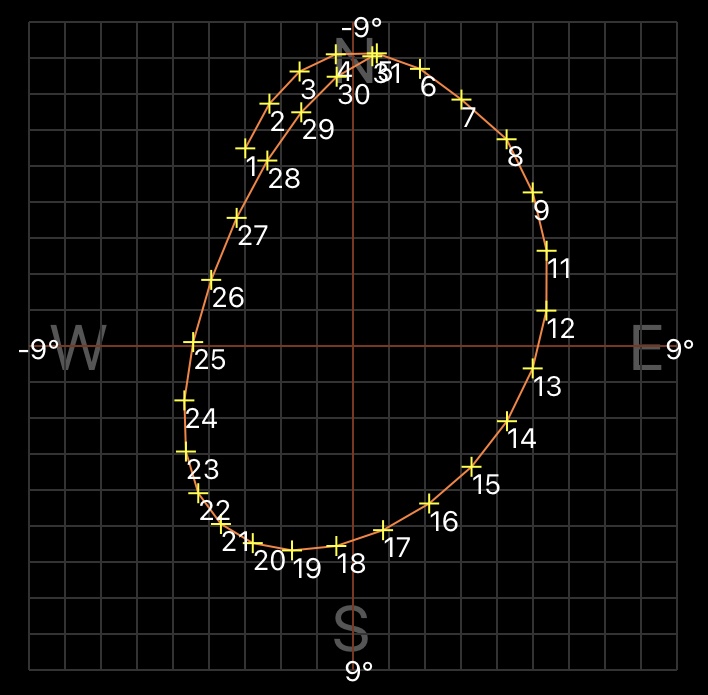
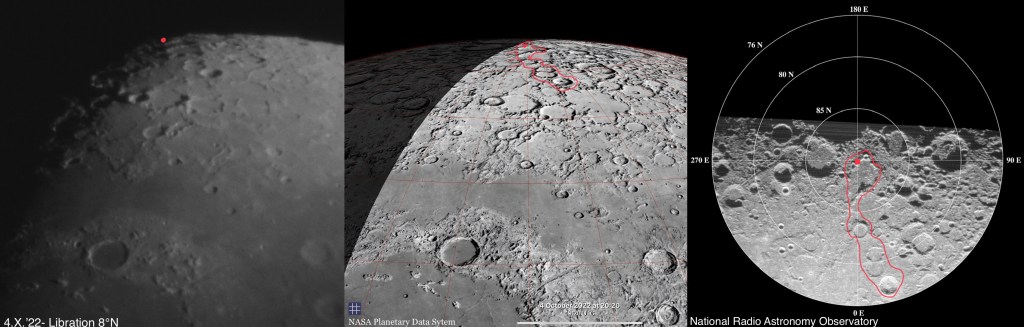
Photo is a one-shot through a small refractor carried by a compact EQ mount. APS-C sensor, bad seeing (it was boiling).
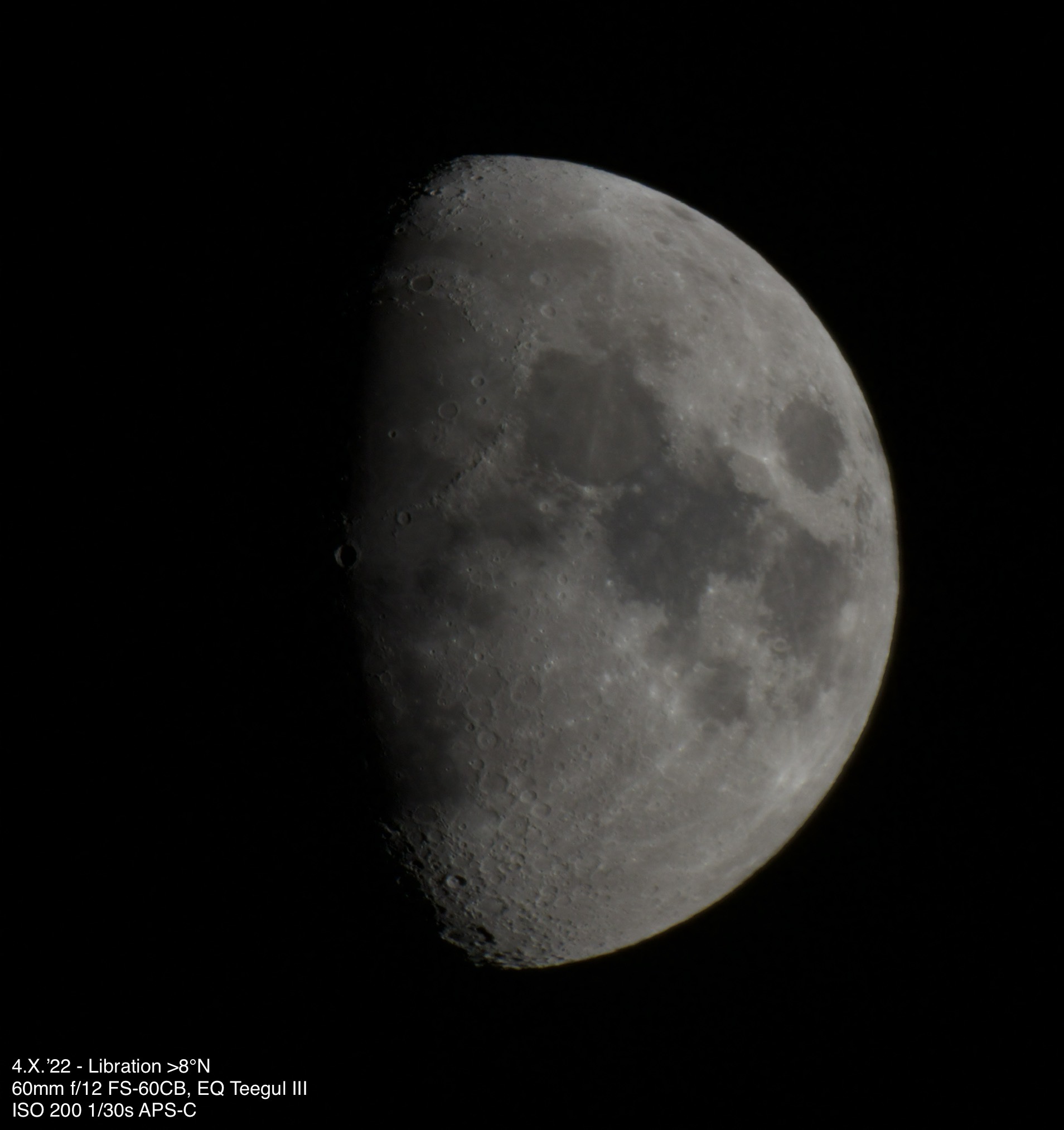
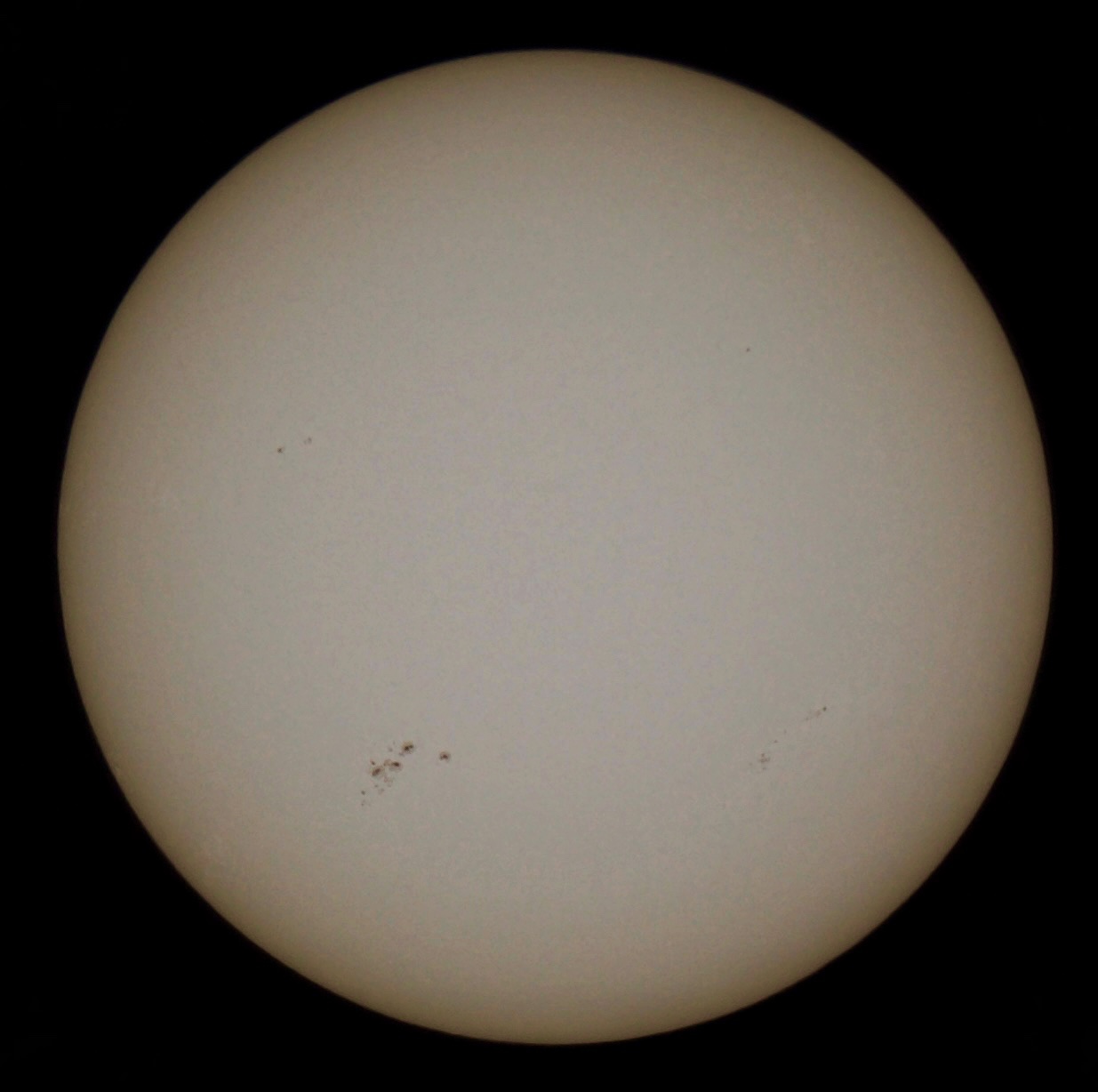
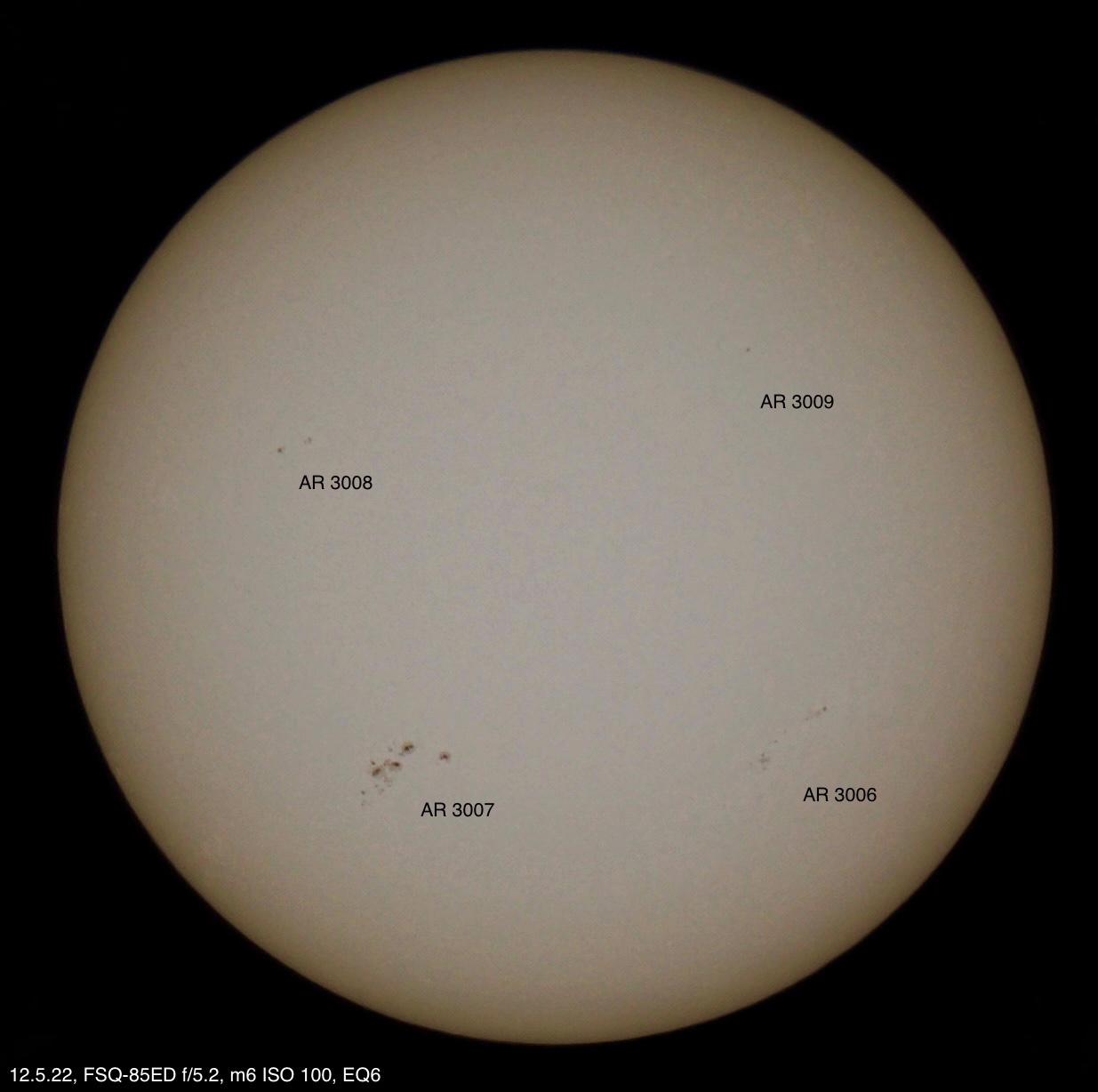
High altitude clouds, low Sun and high turbulence. One shot.
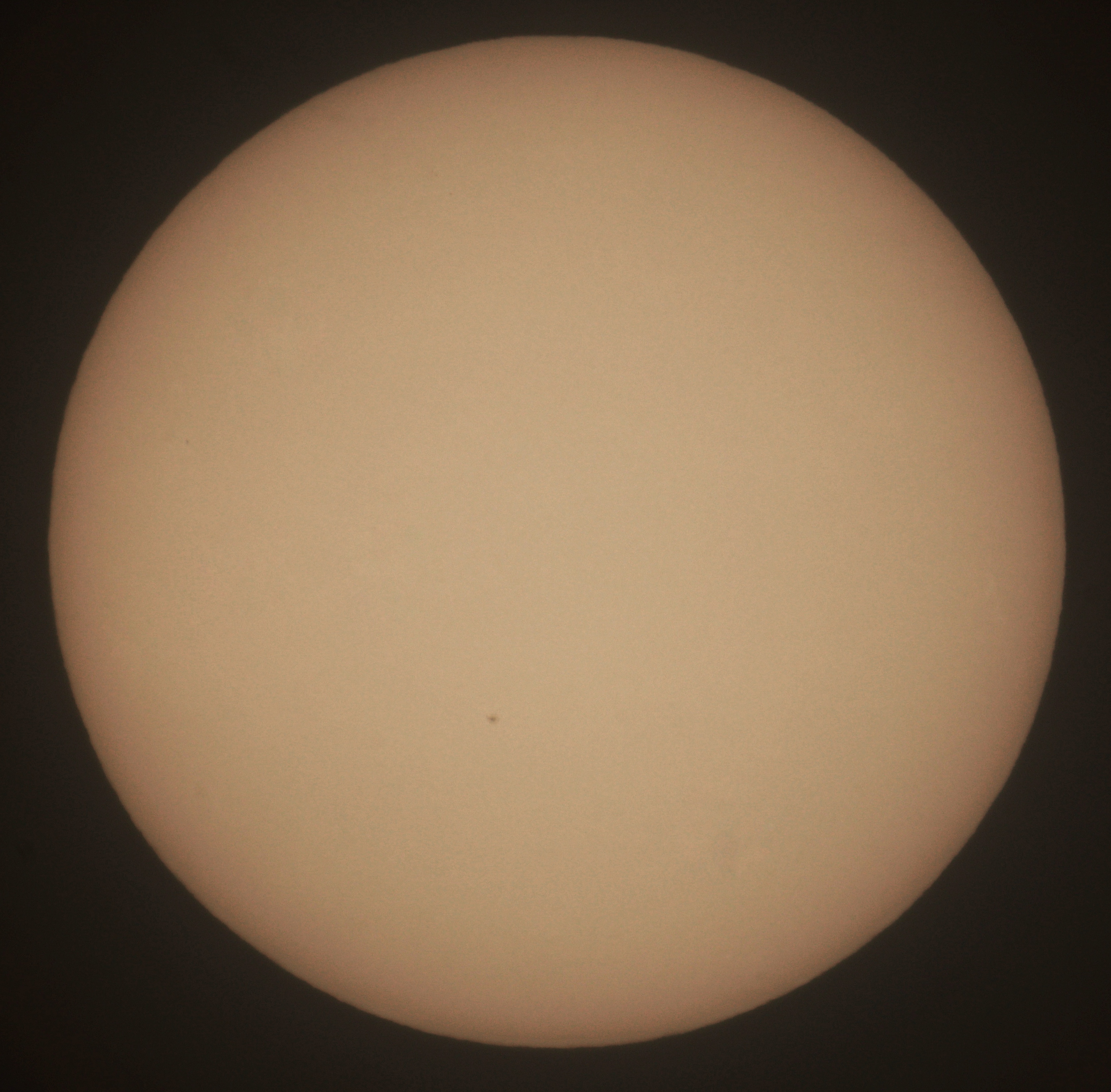
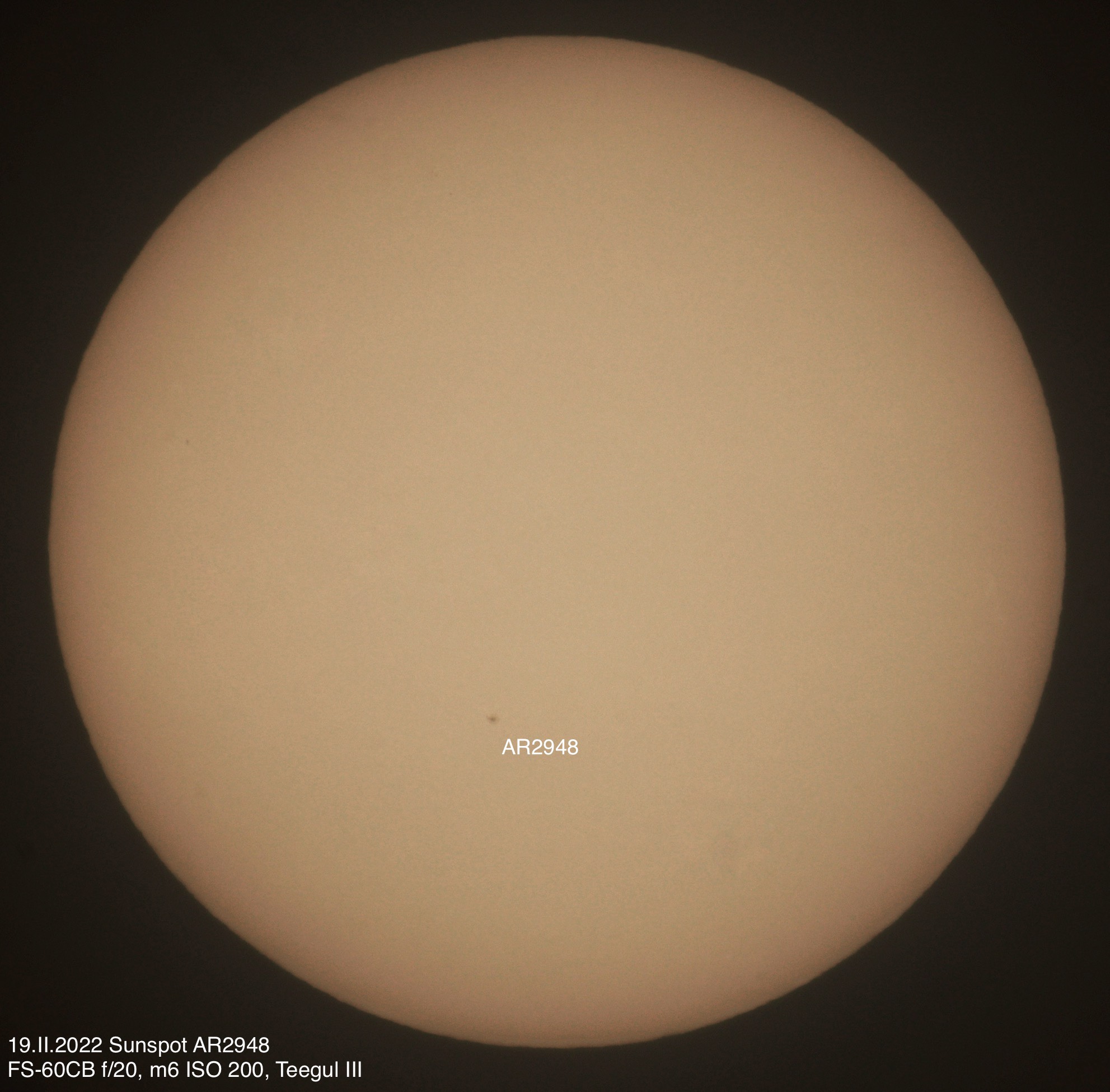
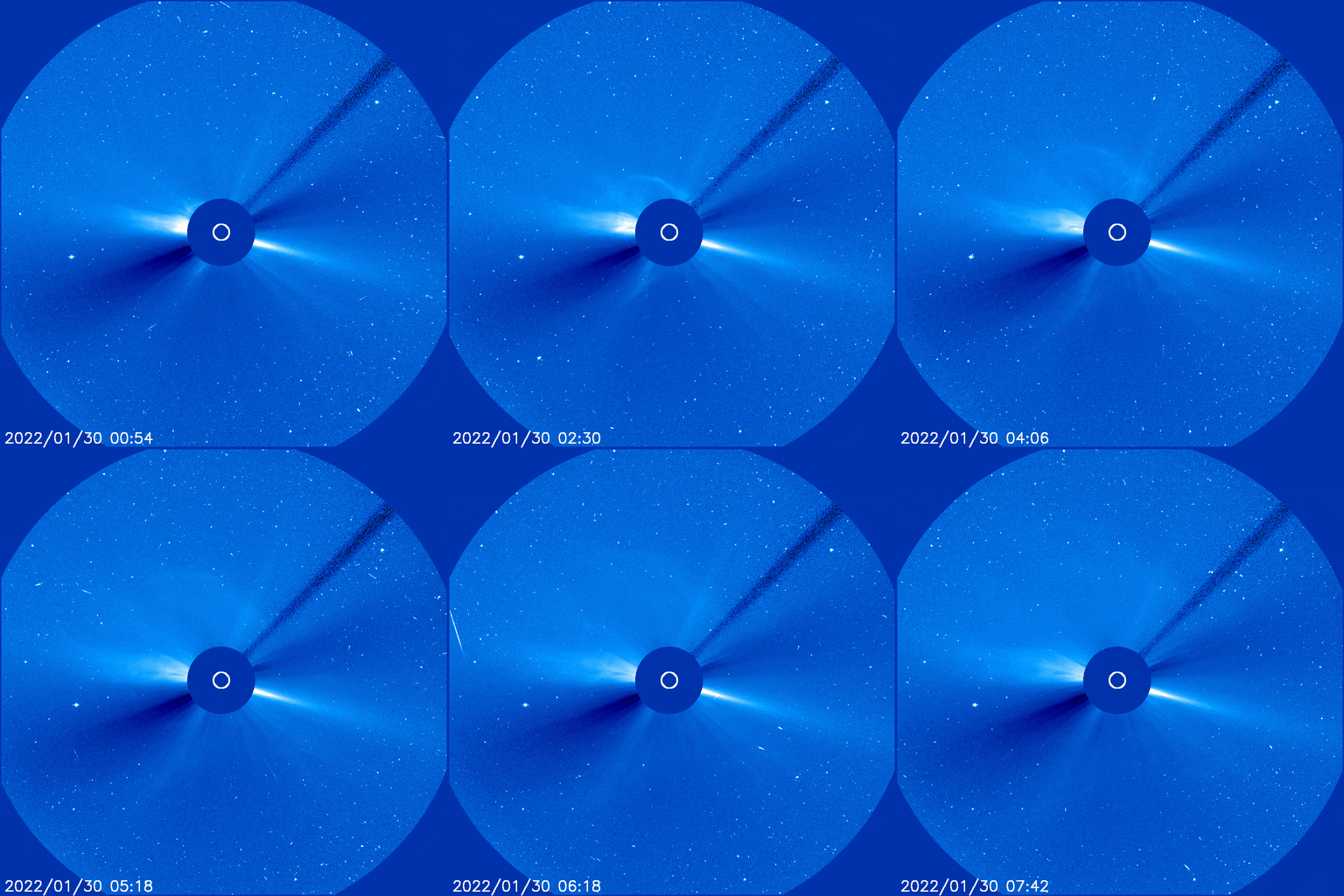
Sunspots AR2936, AR2937 and friends, the first being amongst the largest of young solar cycle 25 and which hurled a coronal mass ejection towards Earth in the early hours of January 30th, bound to reach us February 1st or 2nd.
AR2936 has multiple dark cores larger than Earth, and the entire group stretches more than 100,000 km across the surface of the sun. That’s about 8 Earths one next to each other, or a little less than a quarter of the way to the Moon (which is 30 earths away, roughly).

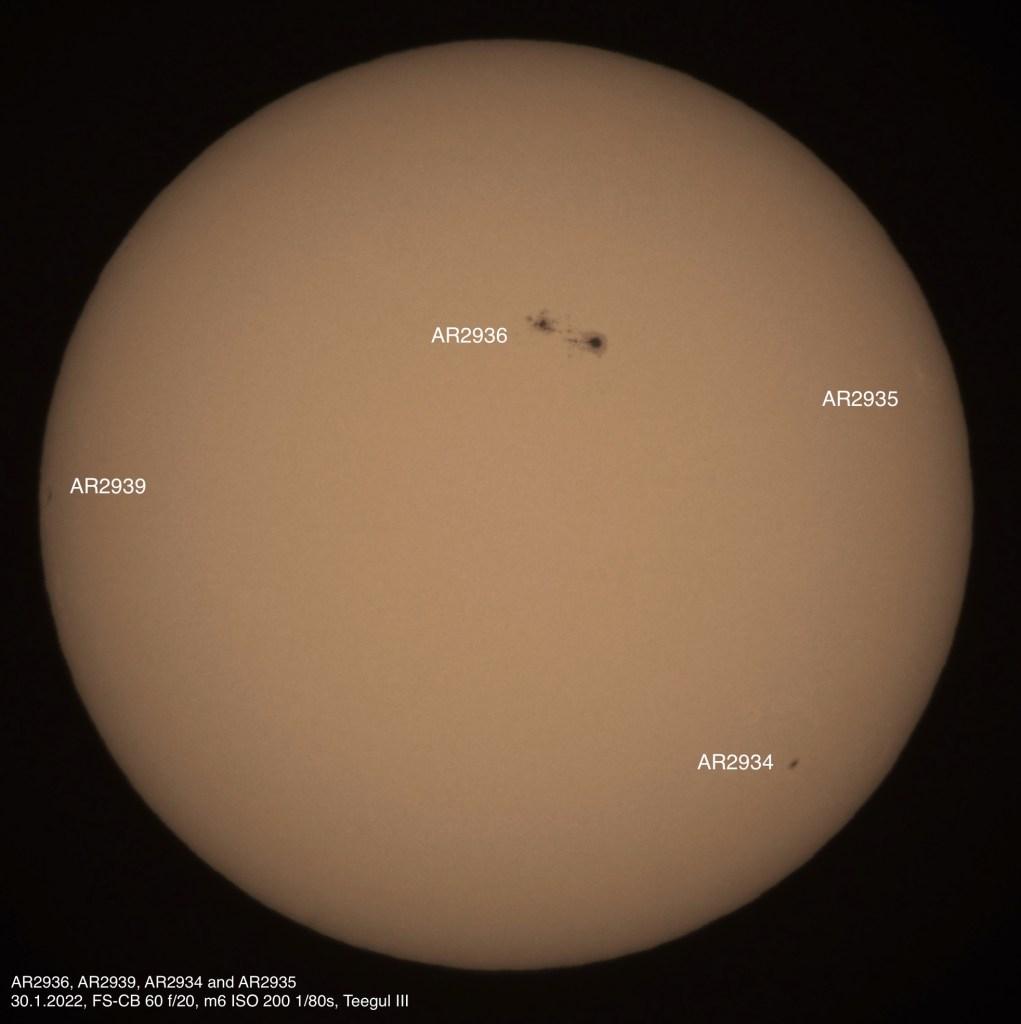
Beautiful footage from SOHO showing the CME that is expected spark auroras at mid-Northern latitudes:
A suite of pictures from July 2021..
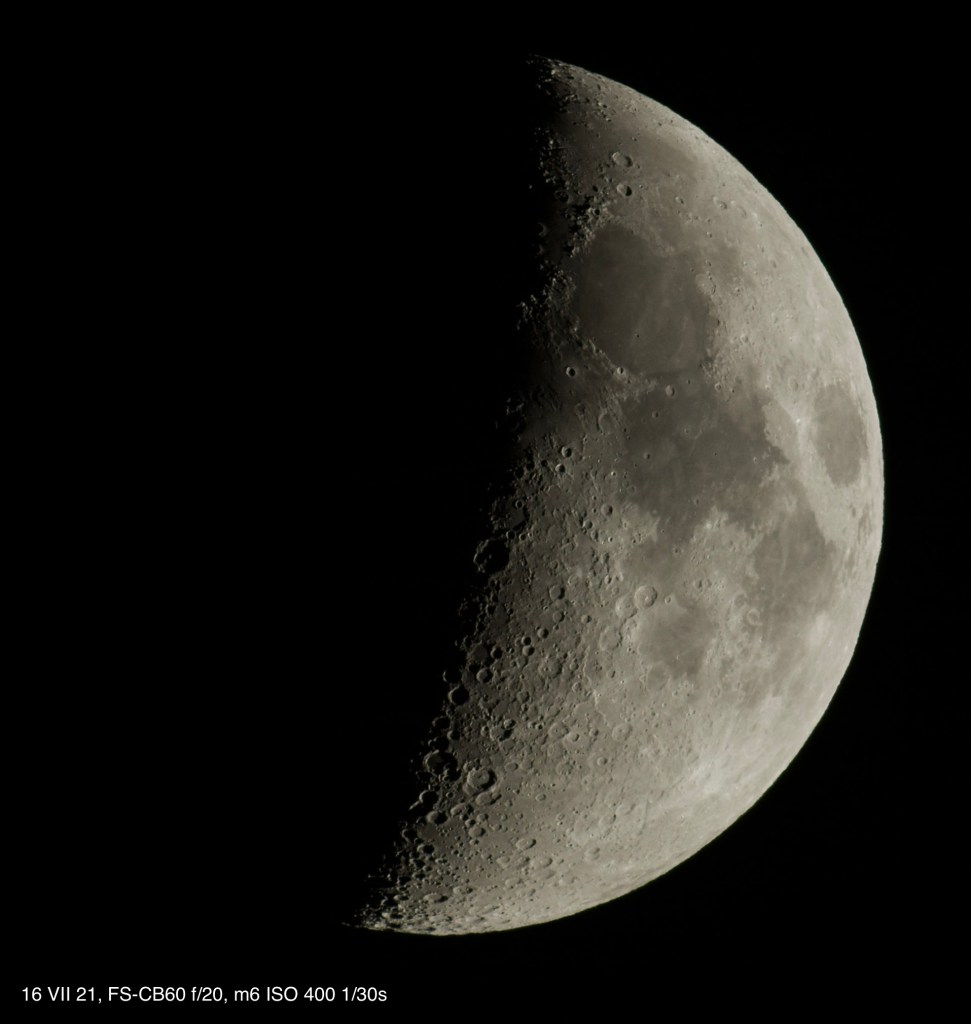
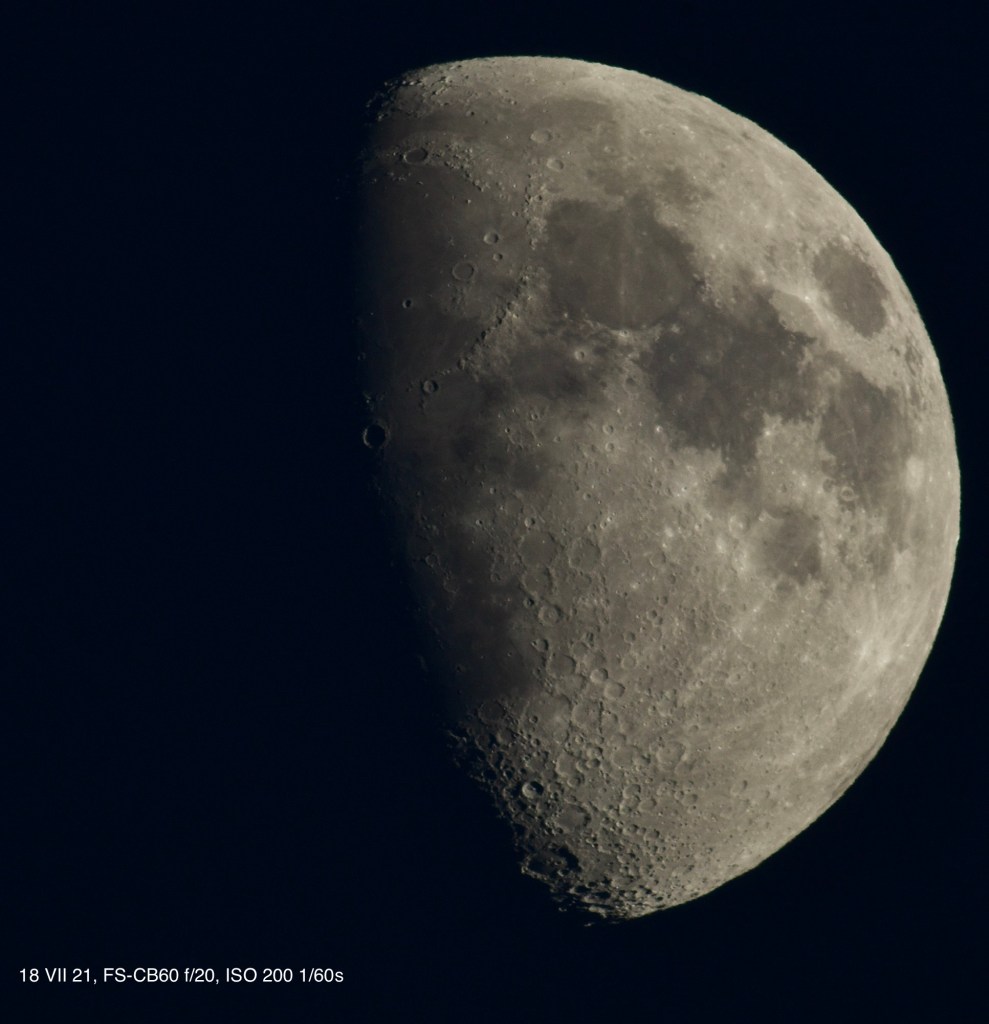
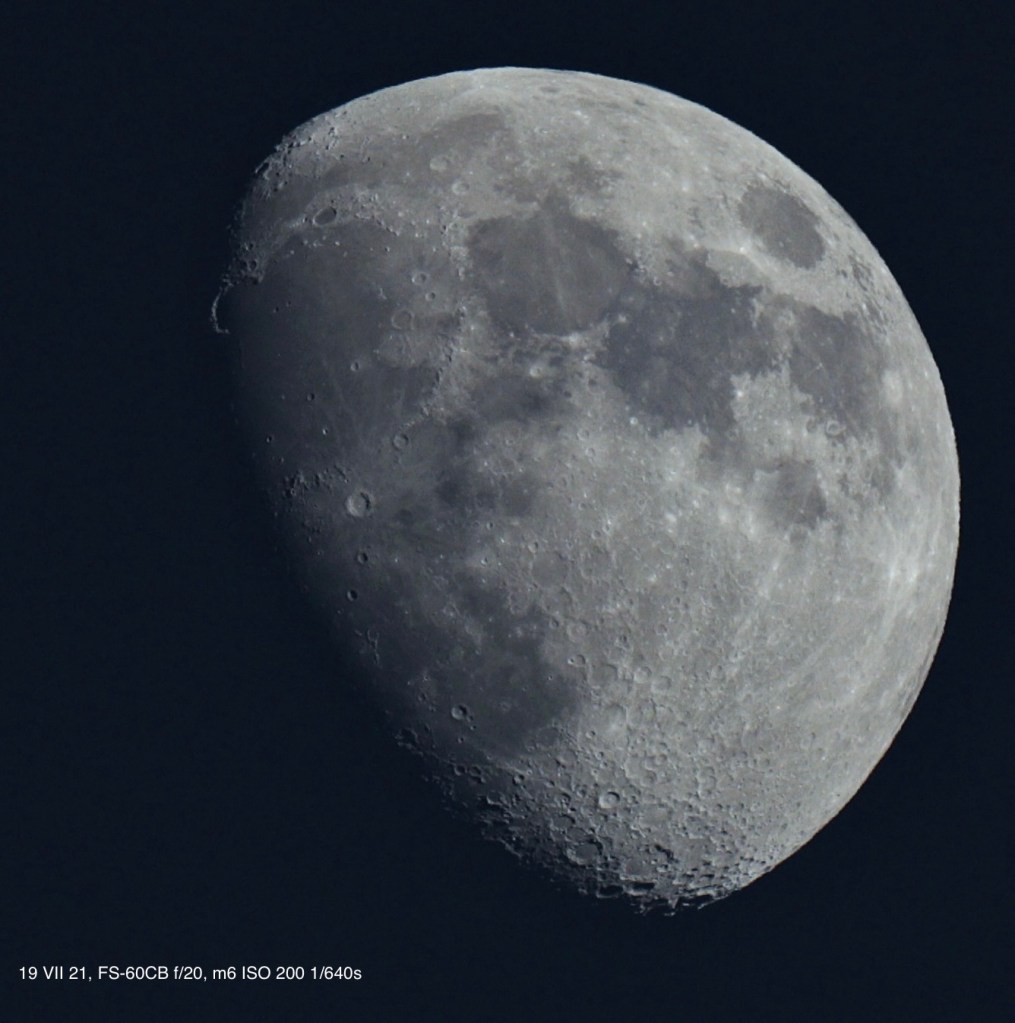
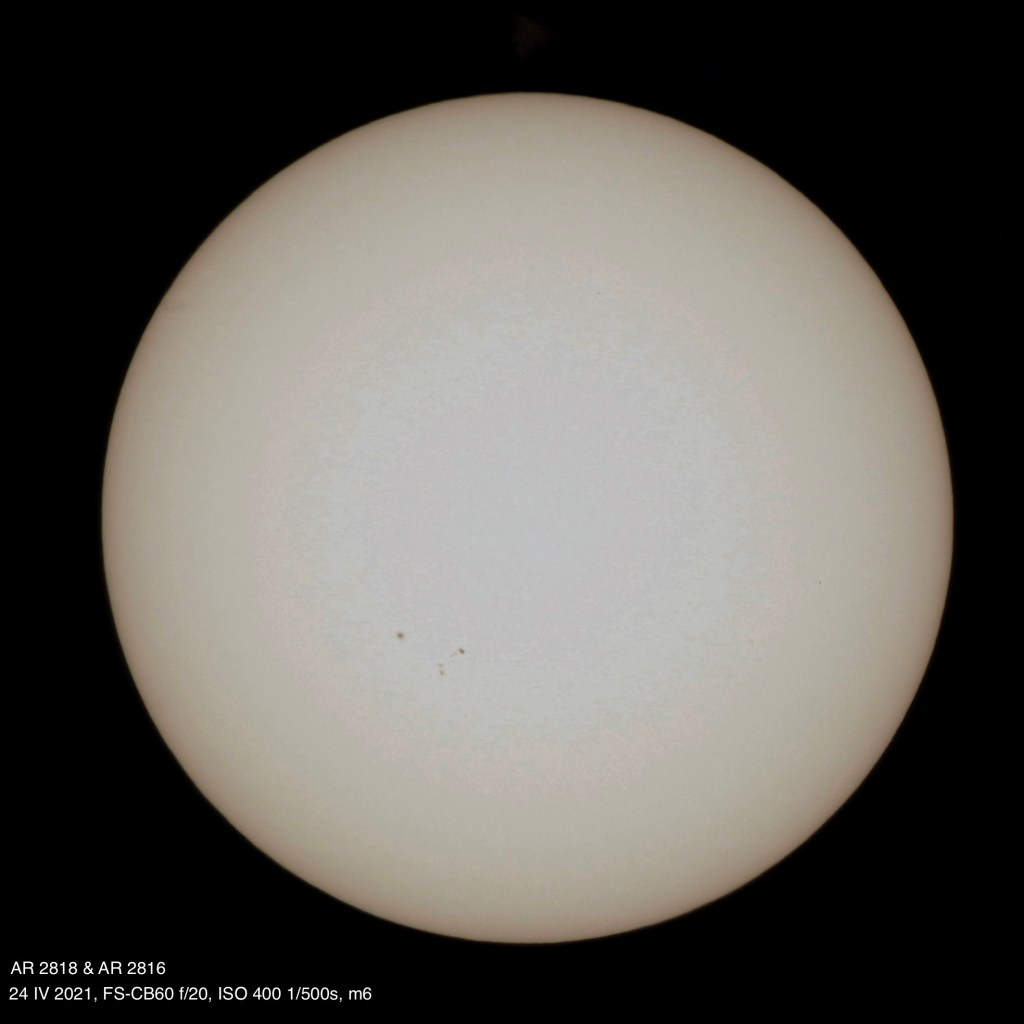
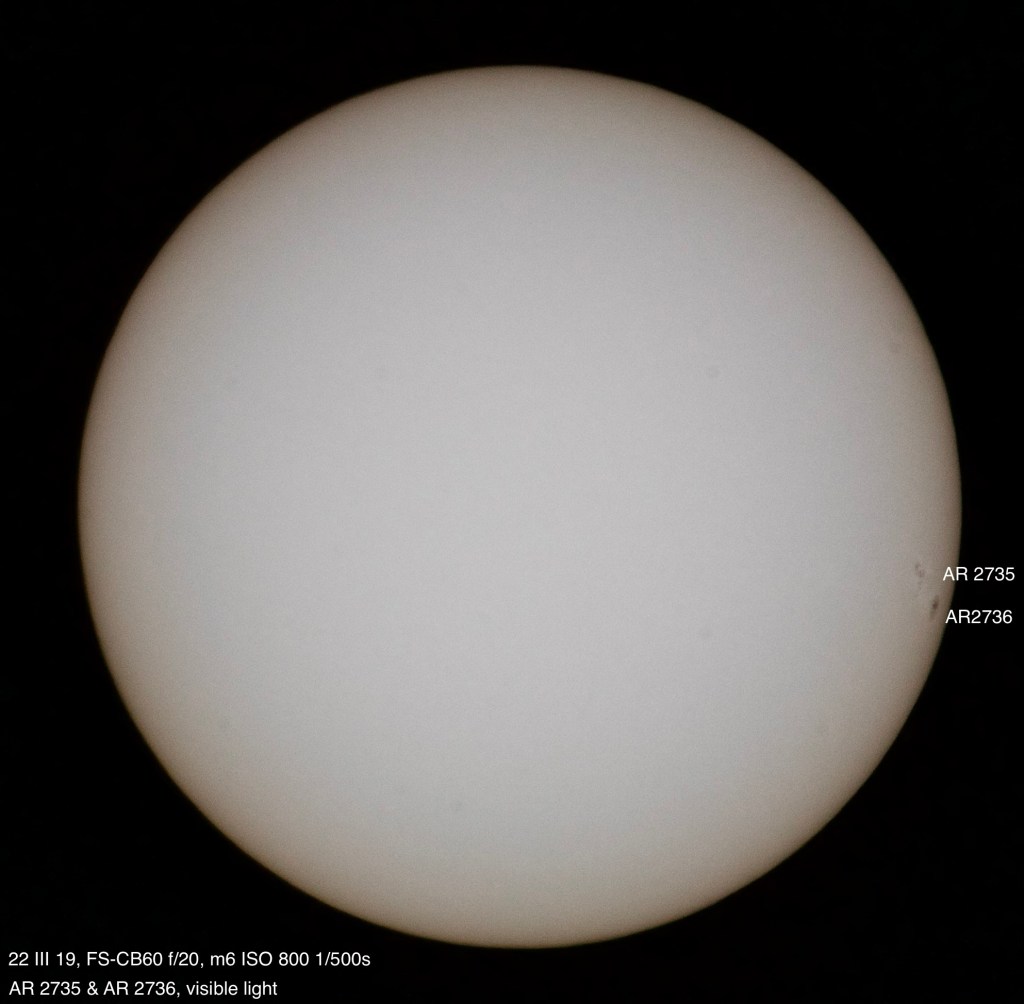
Two shots of active sunspots, one in 2019 and one in 2021. Visible light Baader filter at f/20.
 Everything Geek