
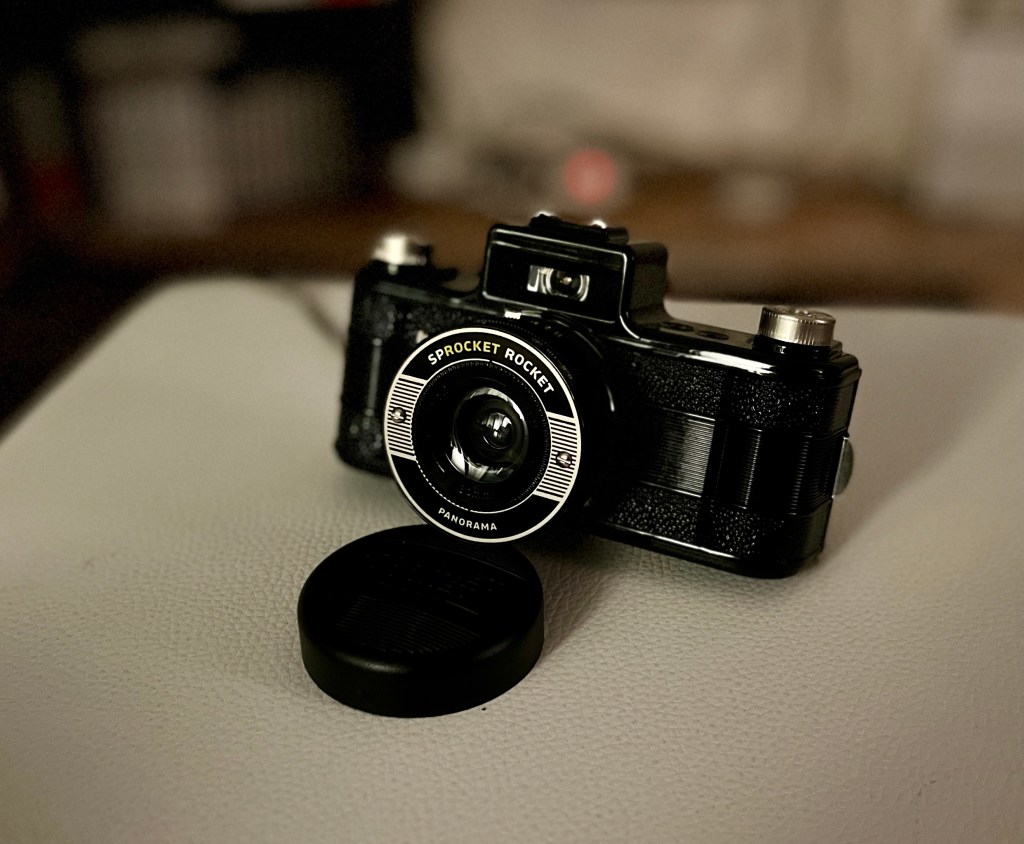
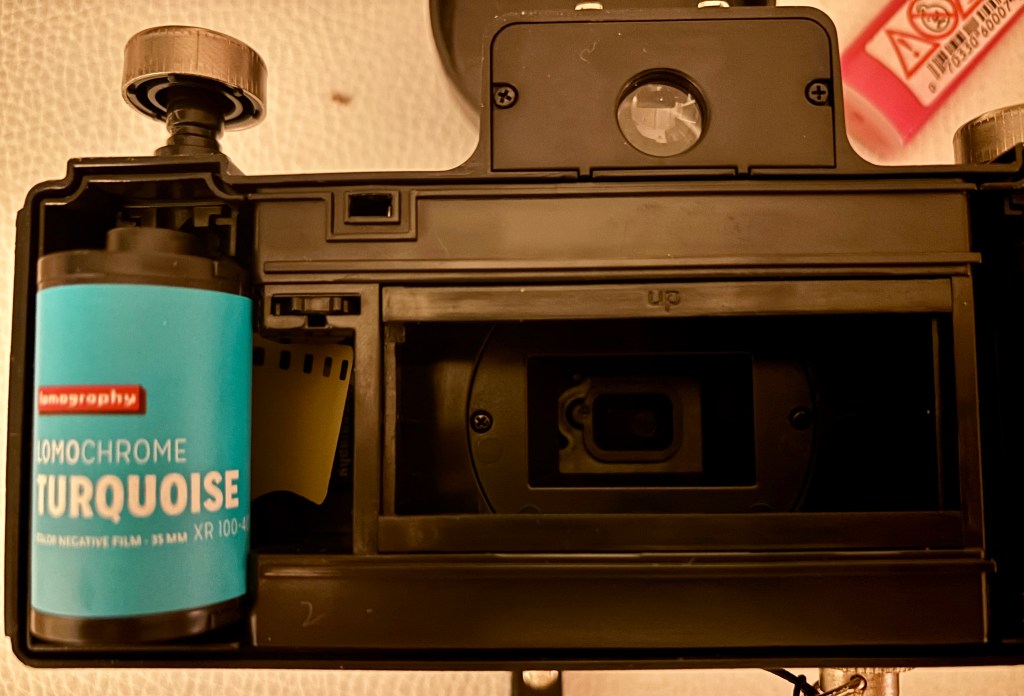
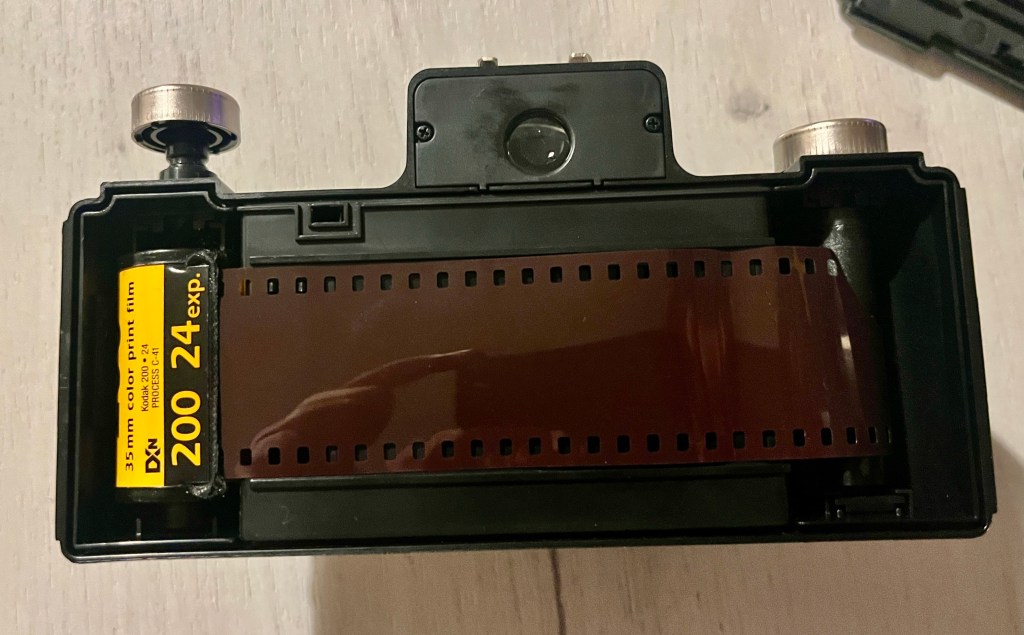
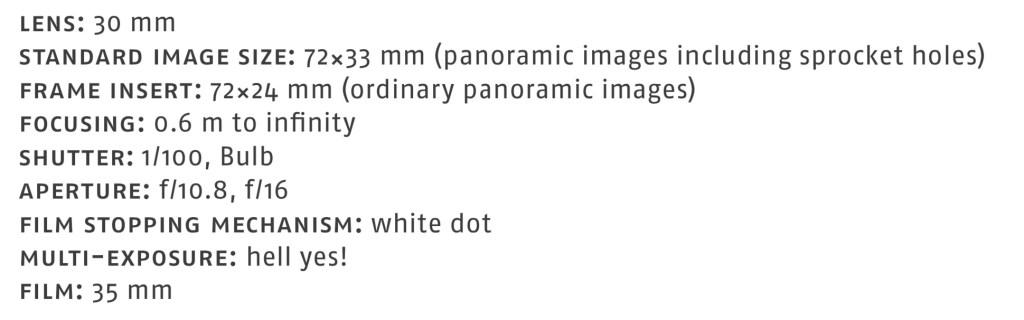
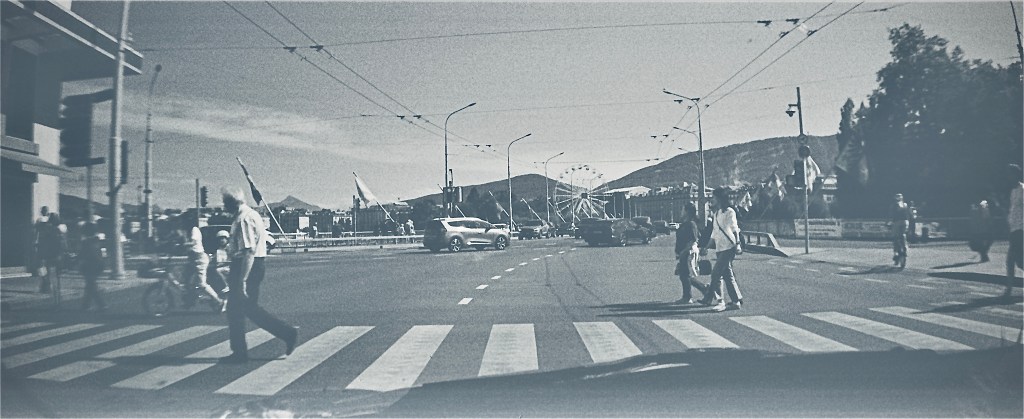
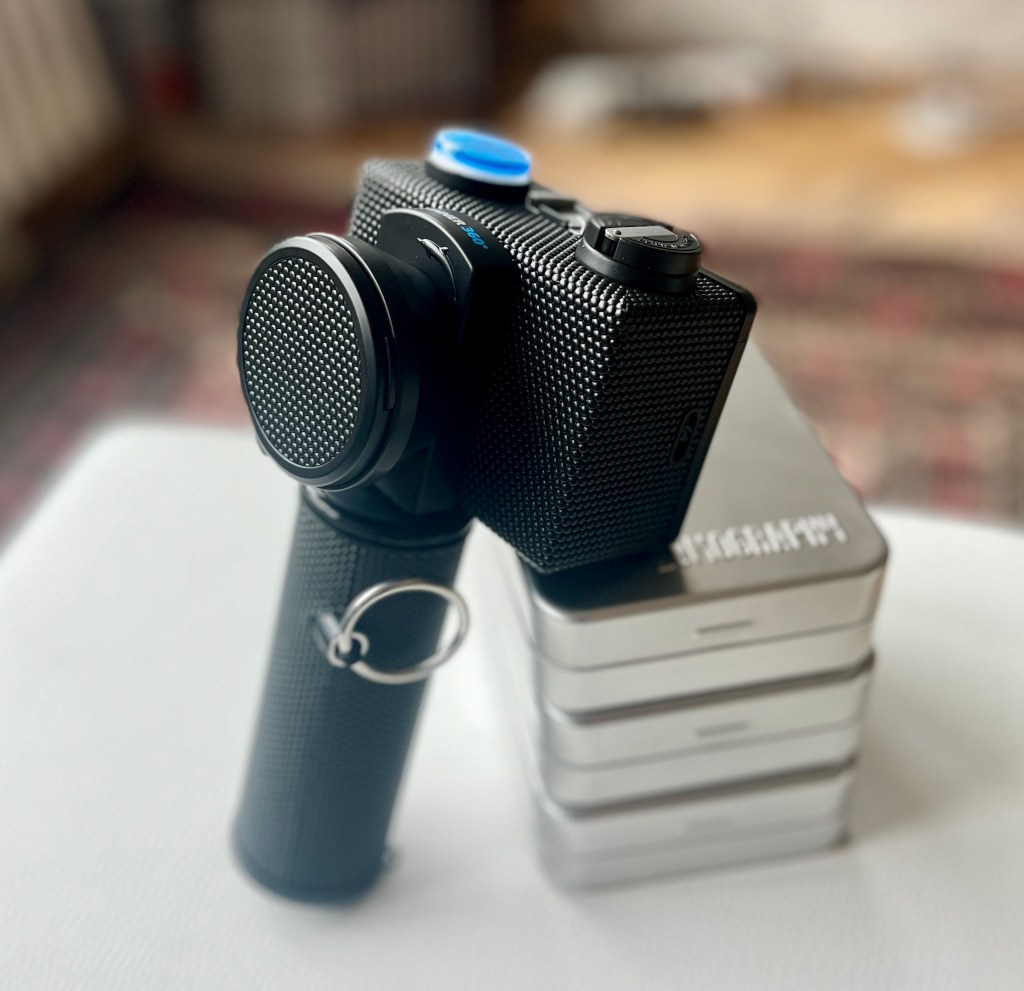
The LomoKino is an ingenious plastic device that records motion pictures (1/4 of a frame) at a rate of cca 5fps.
It is operated by turning a flimsy plastic crank that triggers a shot being taken roughly twice per spin. The plastic housing has moult flexions that add a most delicious wobble and skip to the 20s or so movie that you will get out of a 36 exposure roll.
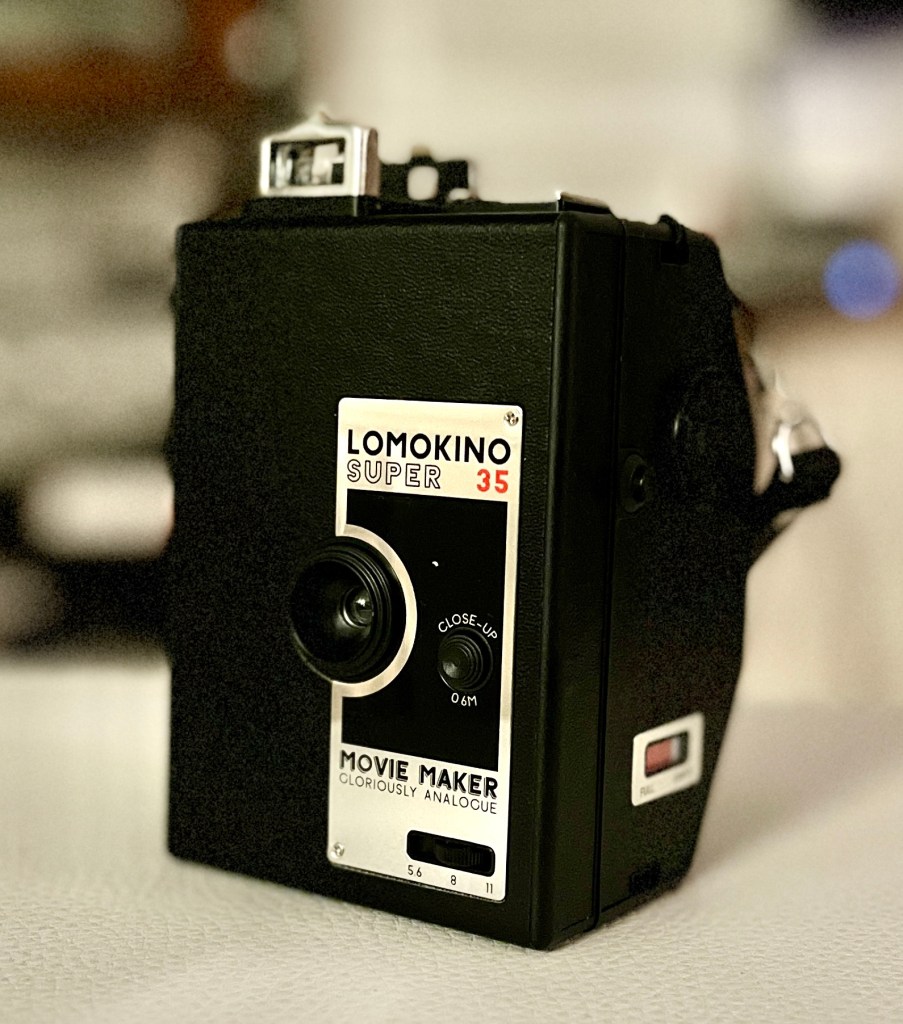
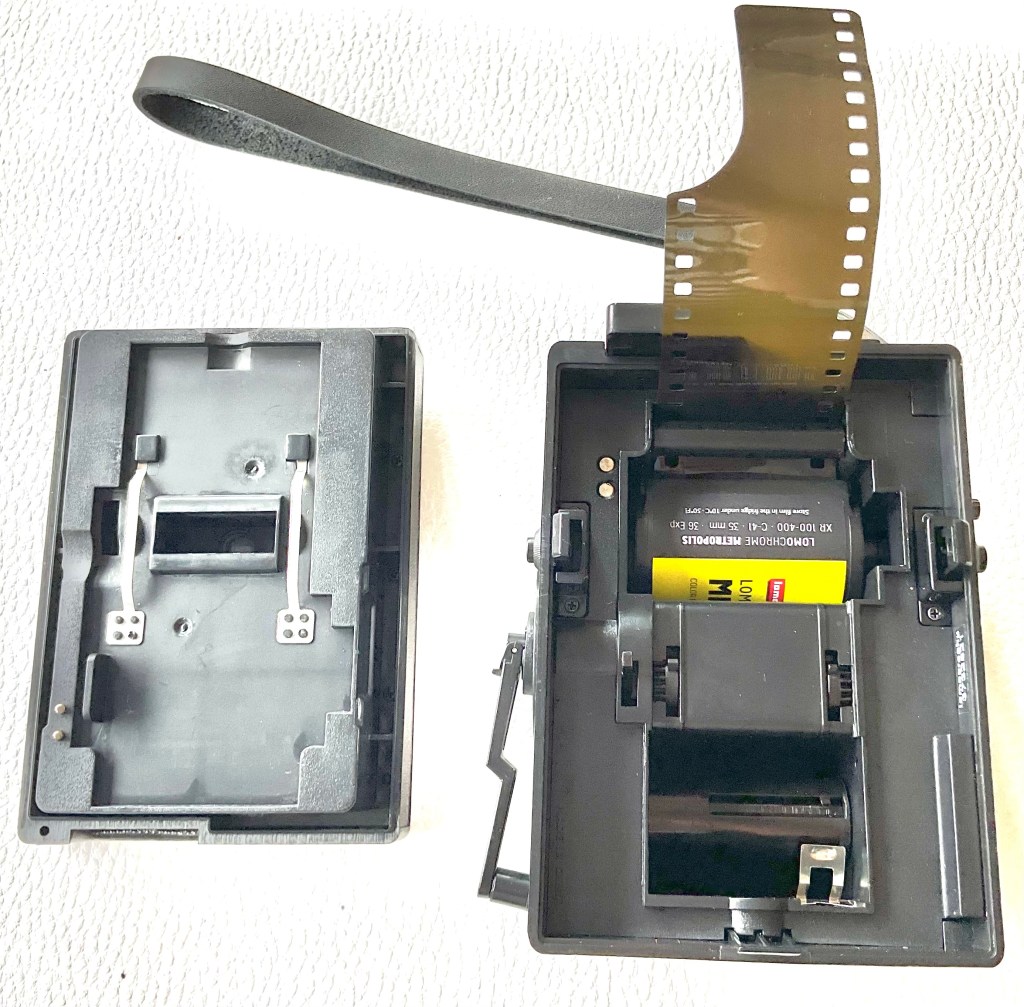
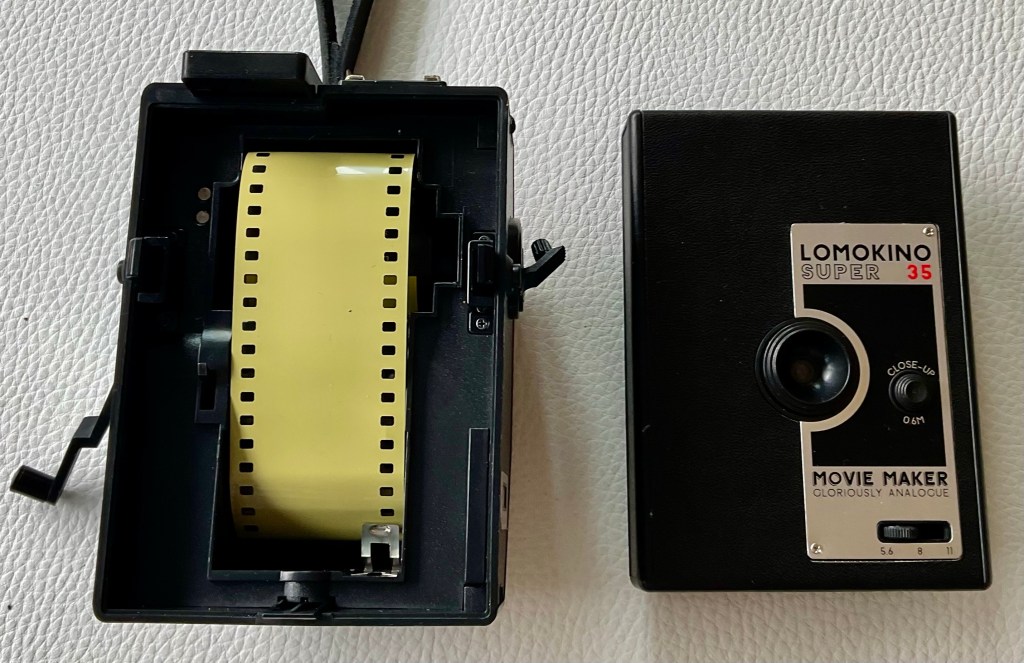
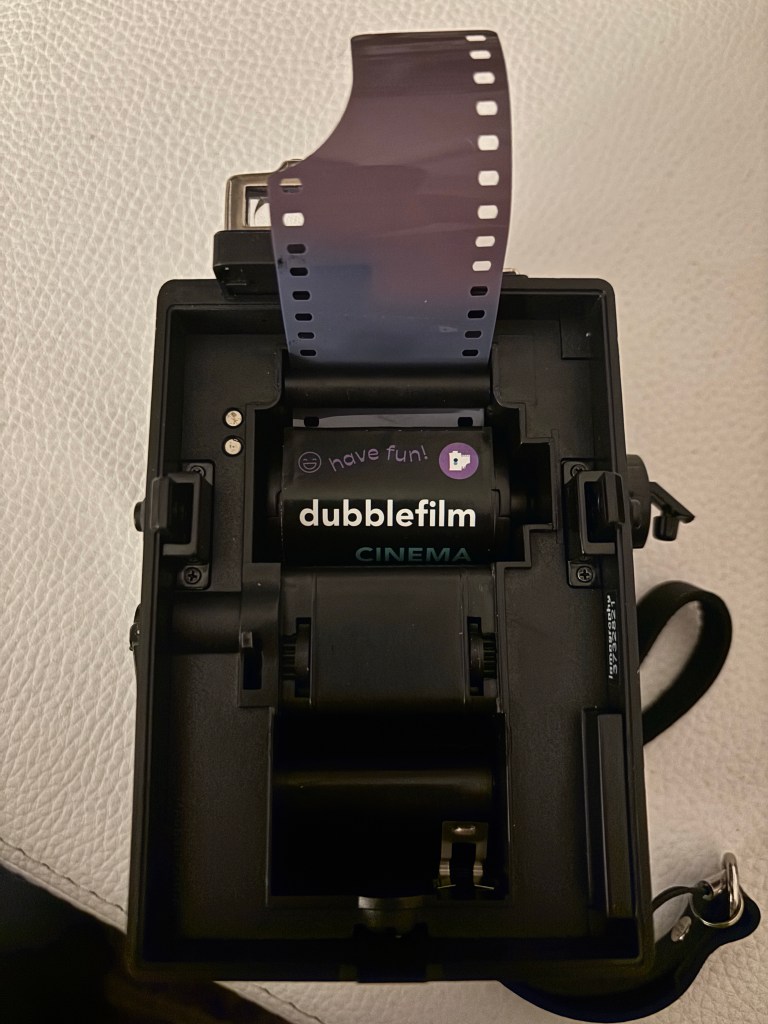
Looking through the peeping apparatus involves positioning your face on the LomoKino in such a manner that that turning the crank will inevitably hit your face with each spin.
It is advisable to use thick film as the crank can rip the plastic from the container despite the handy red flag that pops up next to the hotshoe when the film is spent. There is another window on the side with most mysterious markings that does turn red when there is no more film but remains half-red when the film is full and freshly loaded.
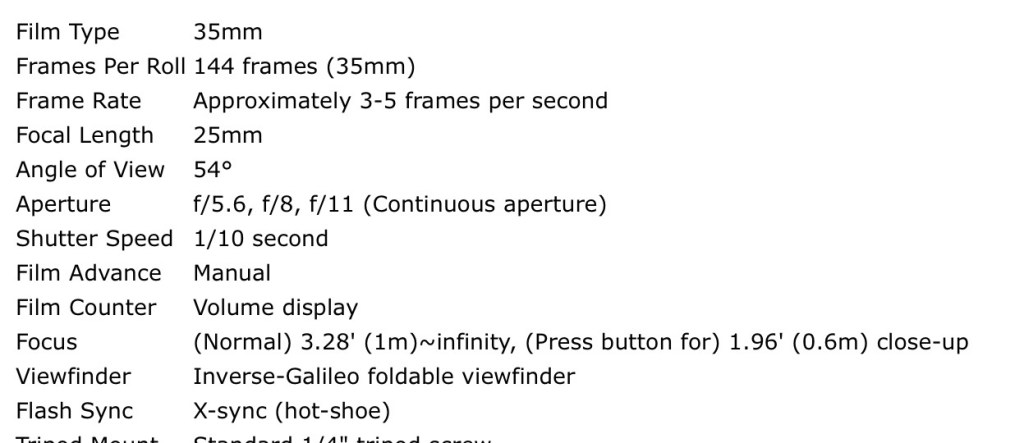
It has a 25mm lens through which 1/100s exposures are taken at a continuous f/5.6-11. The quality of the lens is meh but does its job with honors.
This is a great camera. I use it frequently and it sparks much joy.
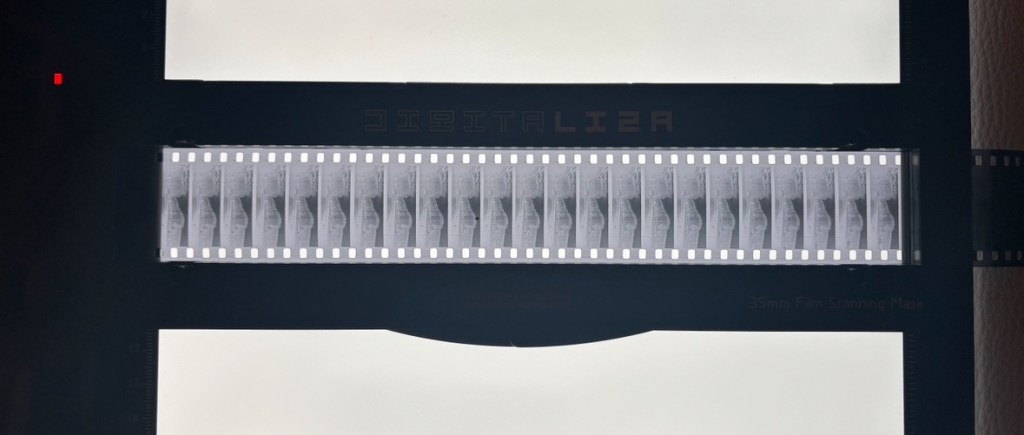
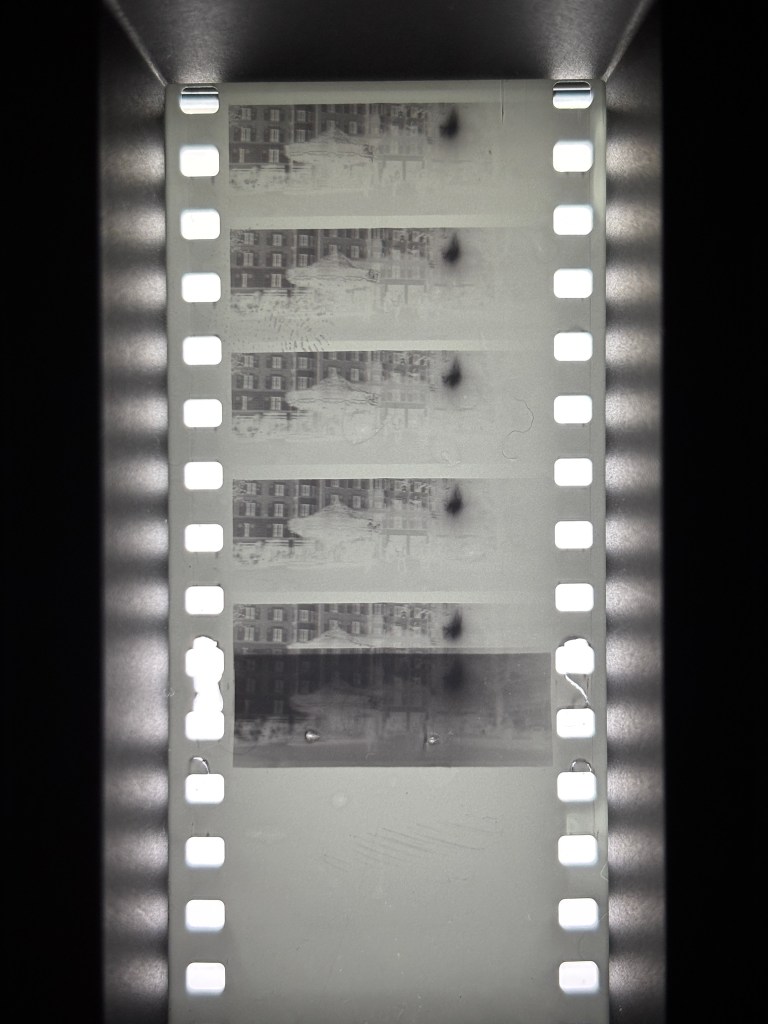
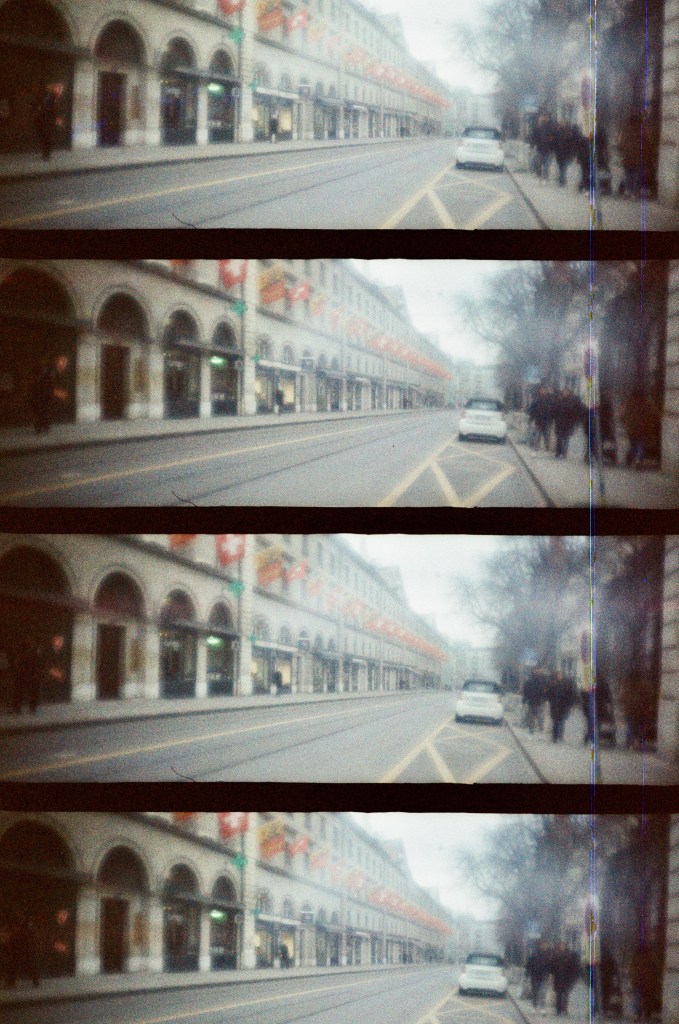
The negatives look like this:
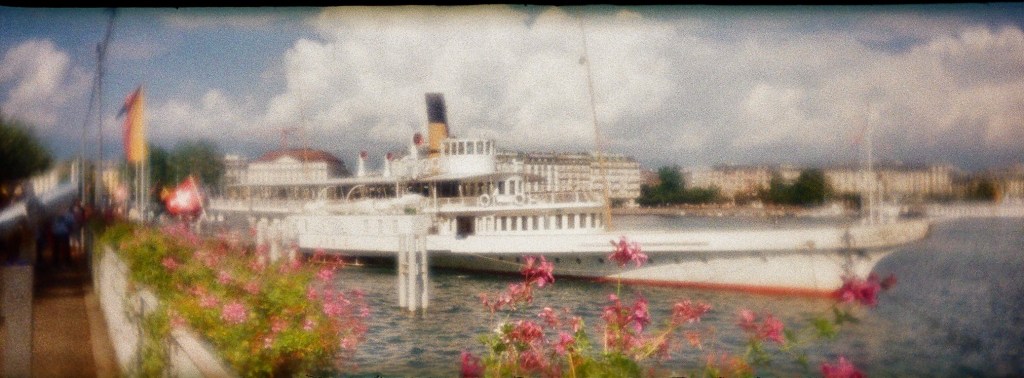
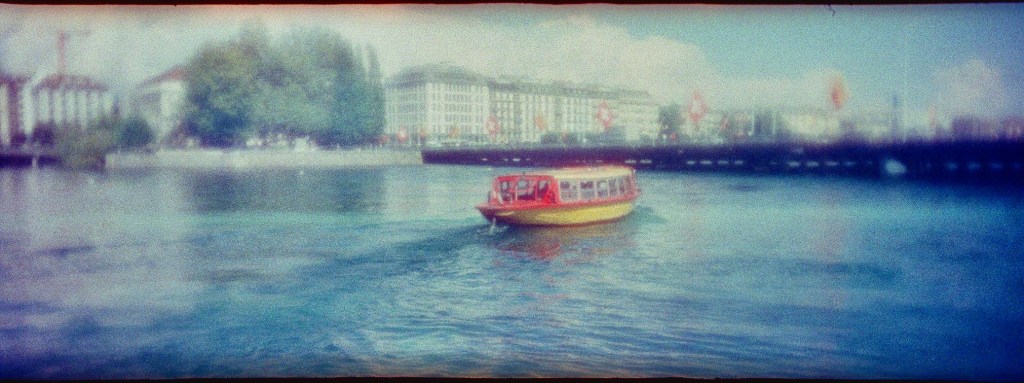
And some stills (really not bad for 1/4 frame):

And some silent motion pictures:
July 2024
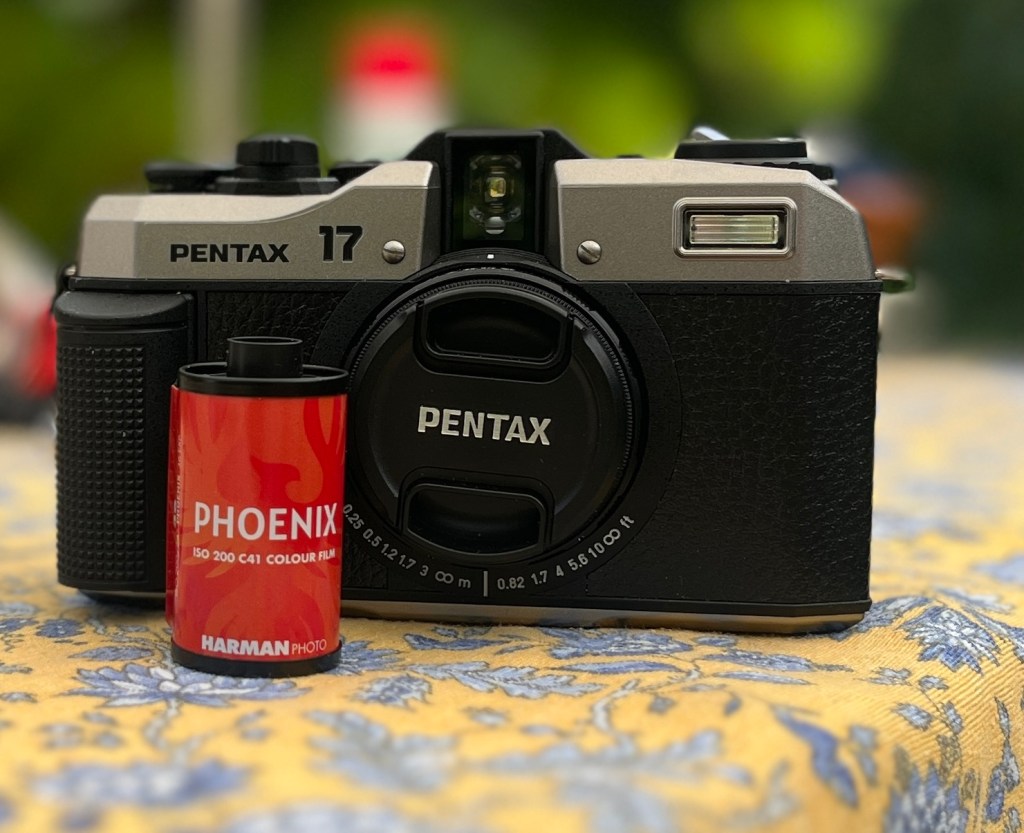
The camera is light because it’s made of plastic and the lens is said to be a beast. Viewfinder and exposure are vertical. Marketing – in its infinite wisdom – decided this is the way to lure phone-camera users to film.
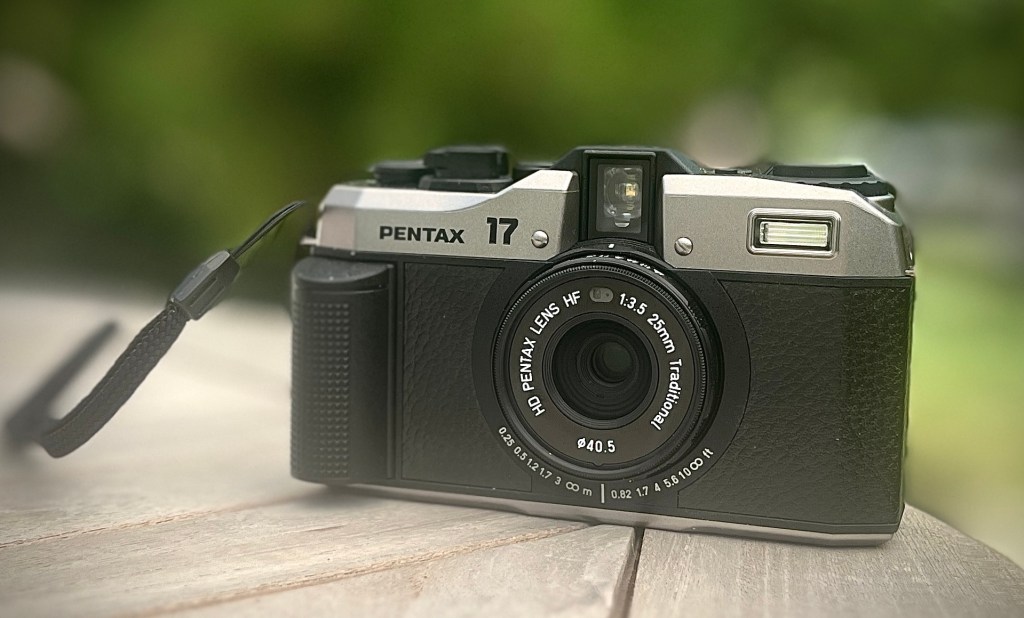
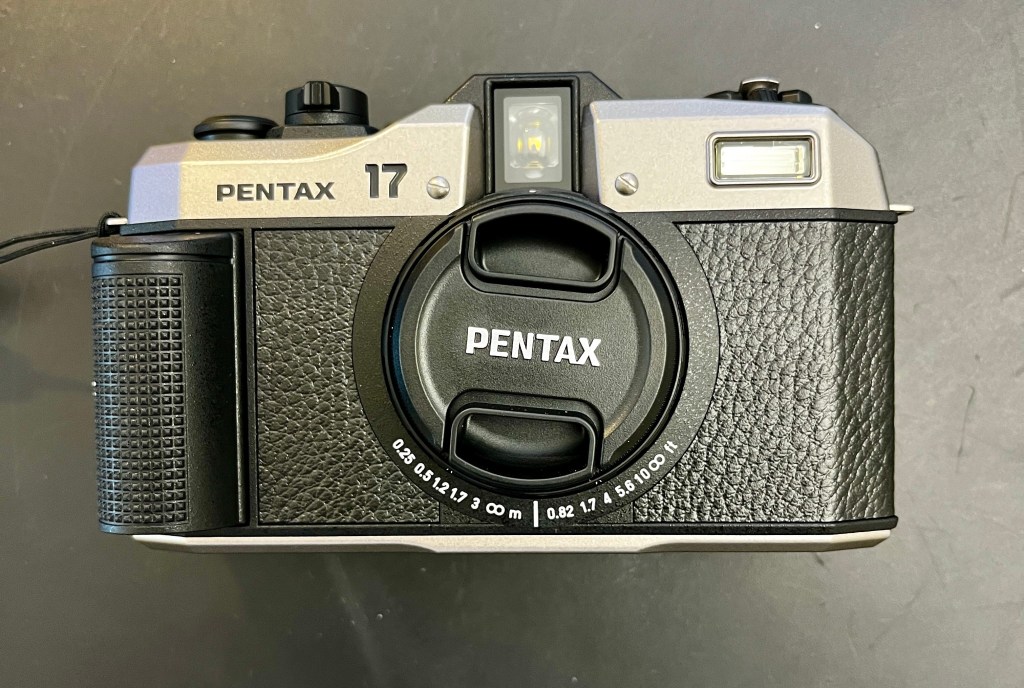
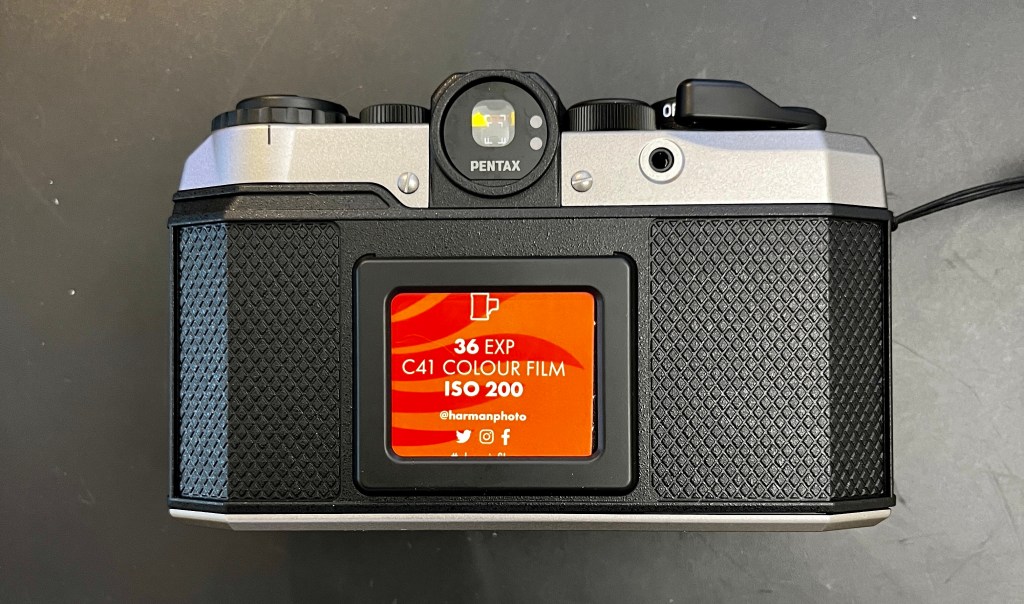
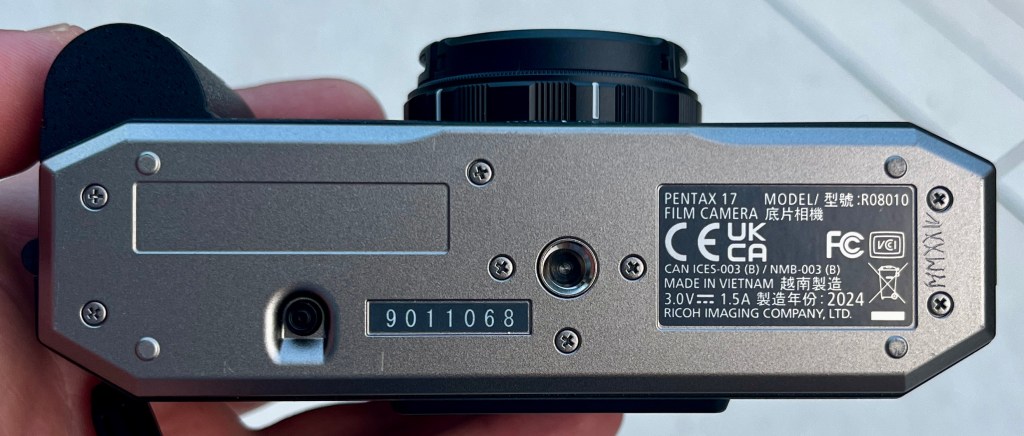
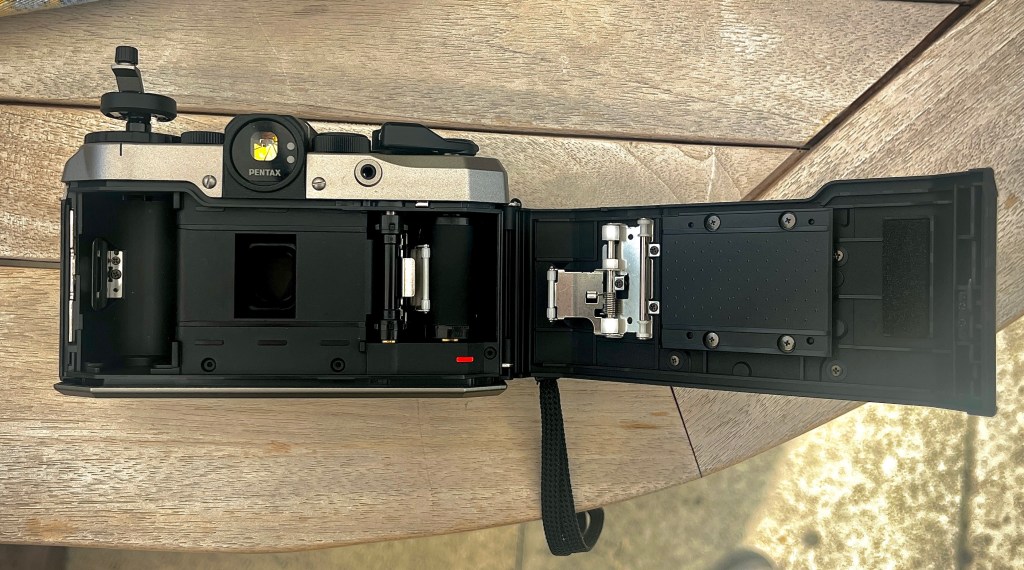
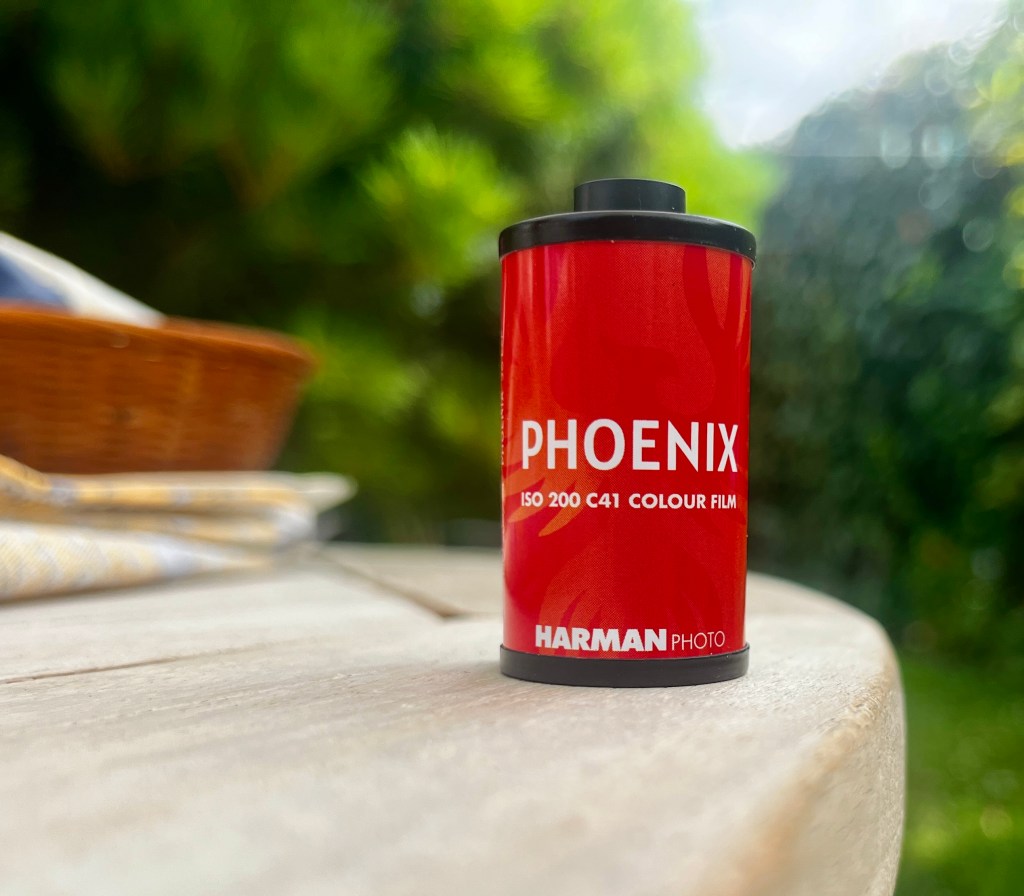
I’ve now shot a roll of Harman Phoenix 200 and then loaded the Ilford FP4 plus ISO 125 for some proper assessment since the Phoenix is experimental and said to be quite wild.

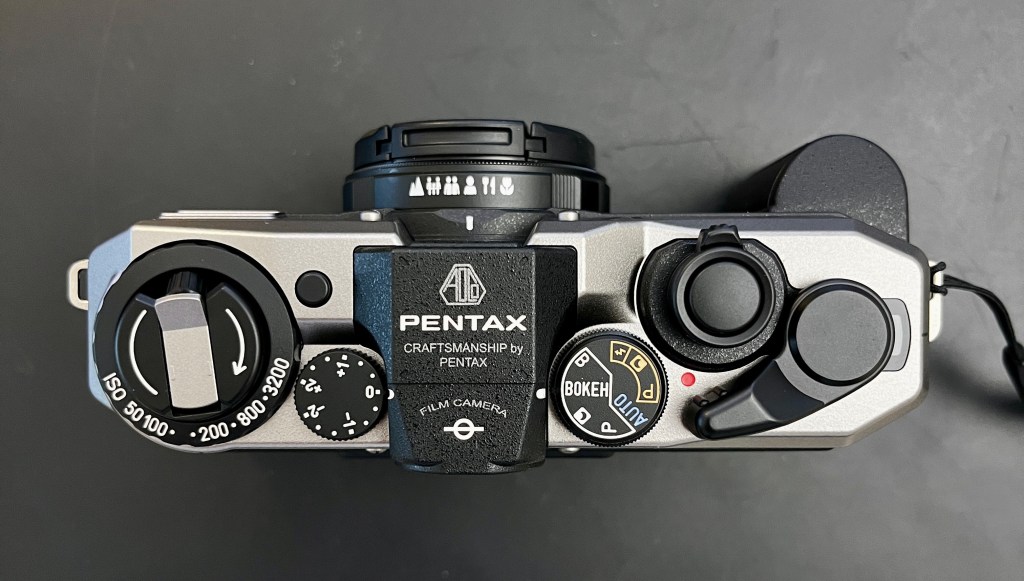
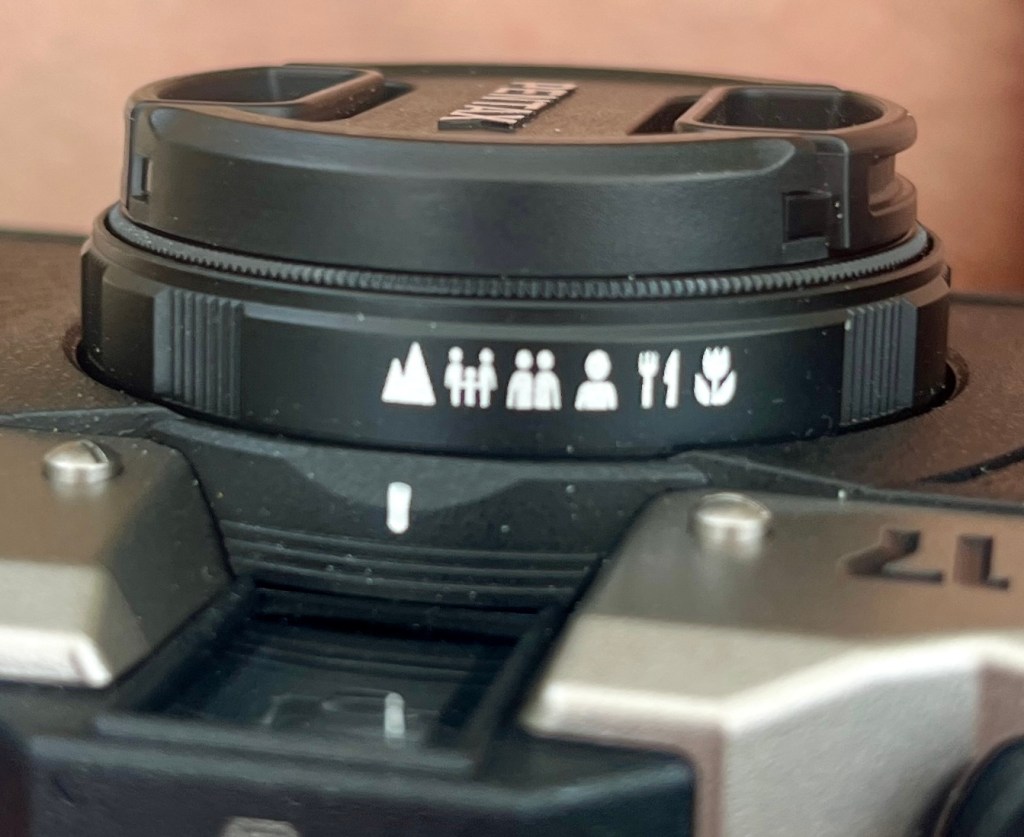
In terms of aperture it offers pre-determined choices: with blitz, or without blitz. Each category has choices of its own such as bokeh, bulb, night, and two types of blitz. Also full auto.
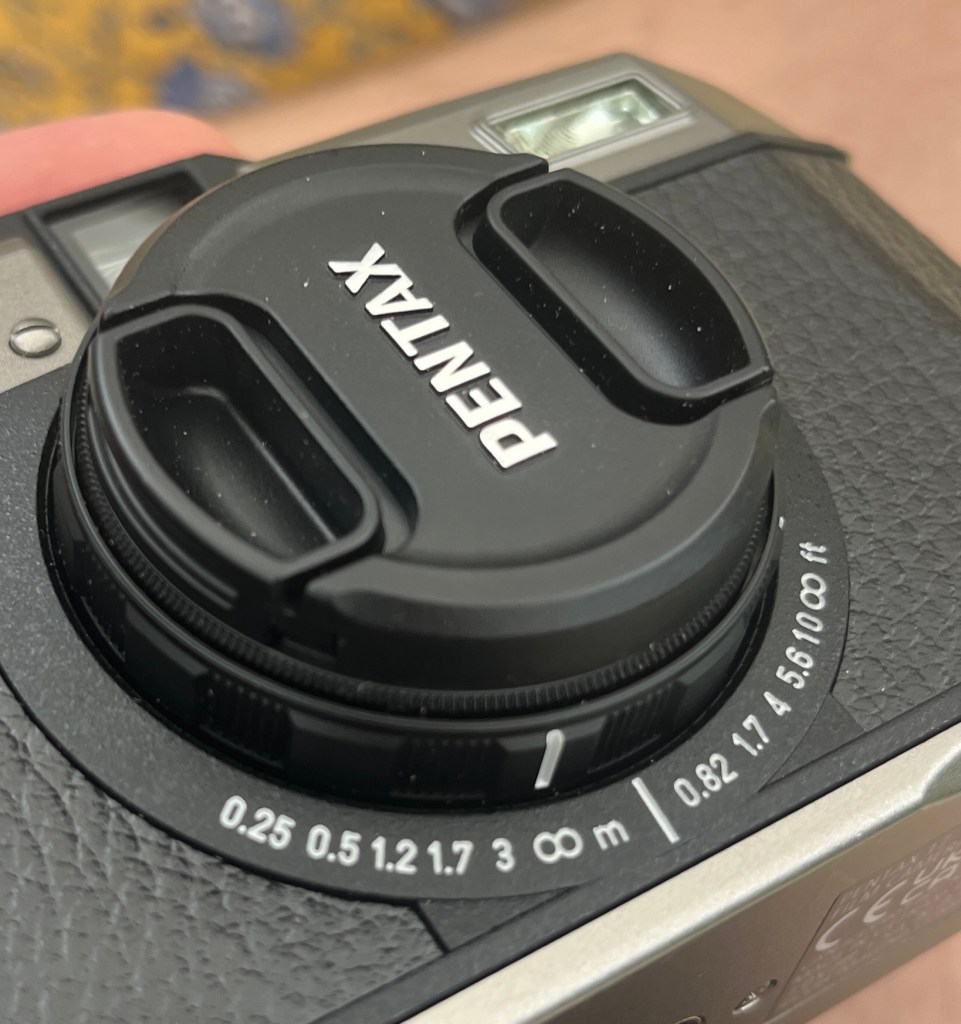
In terms of focus, you have a reasonable range of .25m, .5m, 1m, 2m, 3m and infinity. The supplied wristband measures 25cm and is a convenient tool to shoot macro.
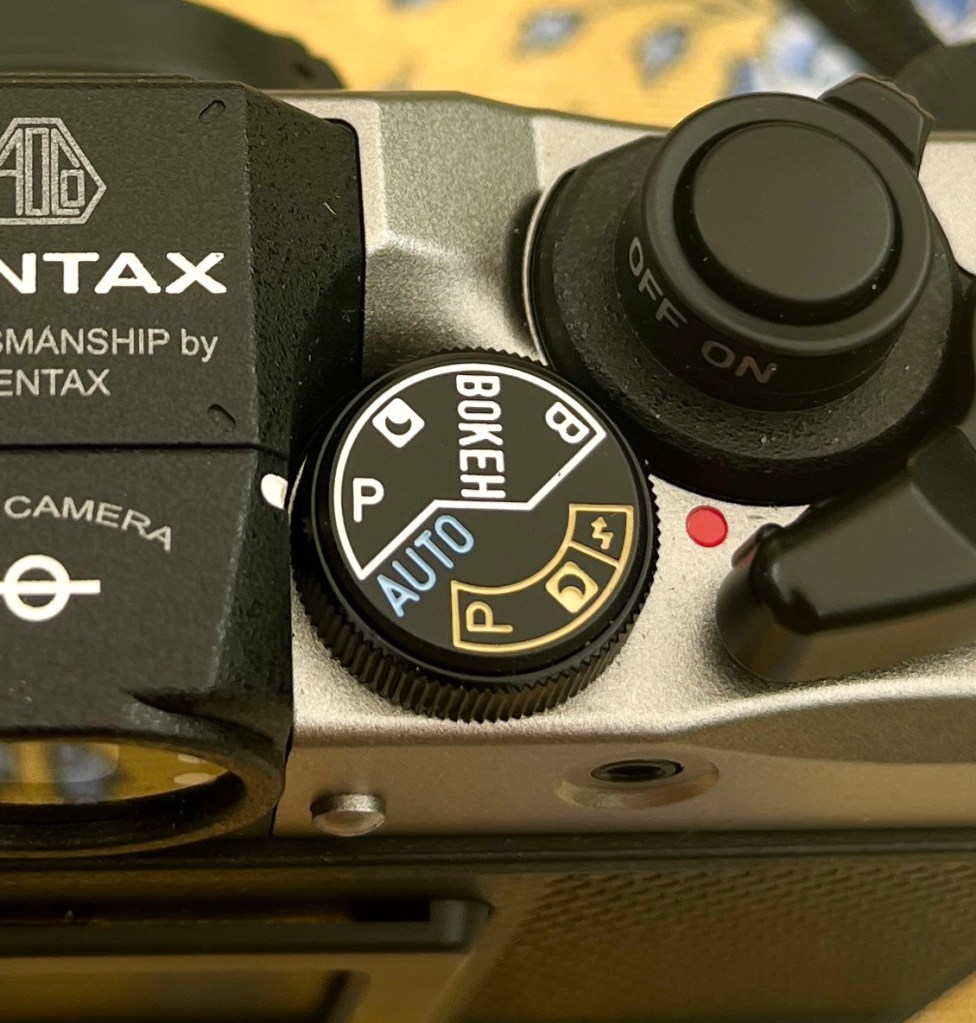
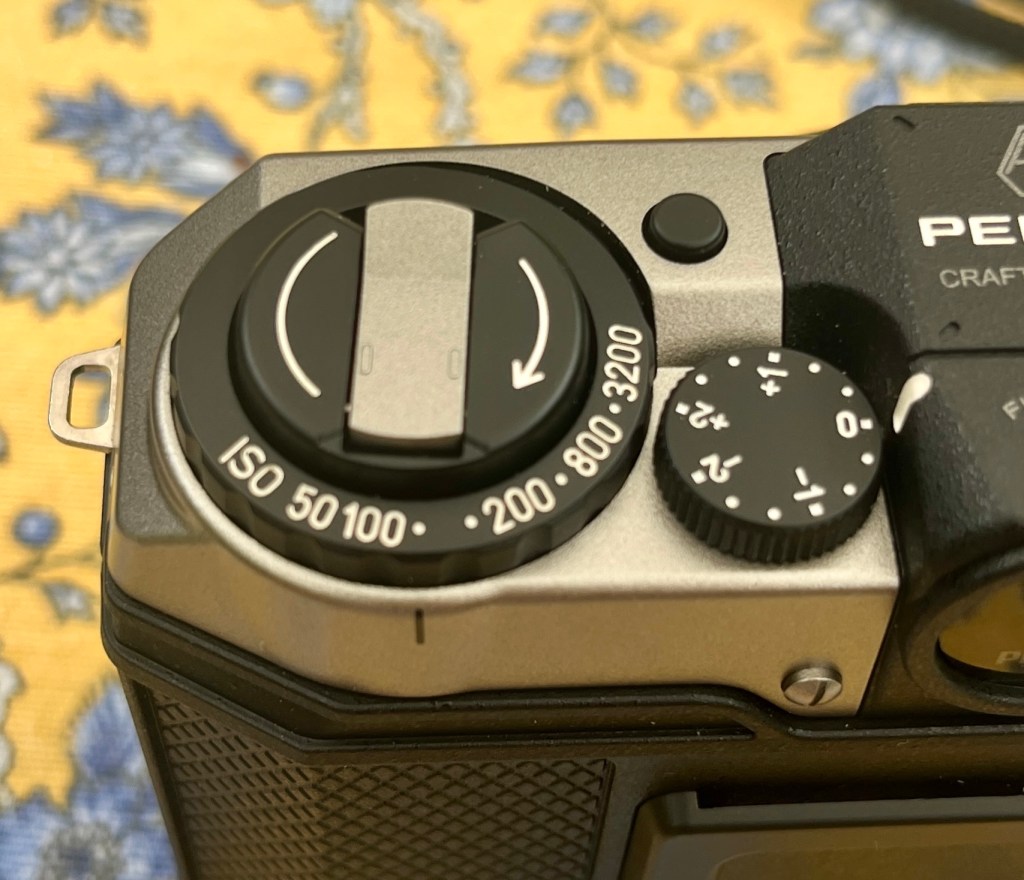
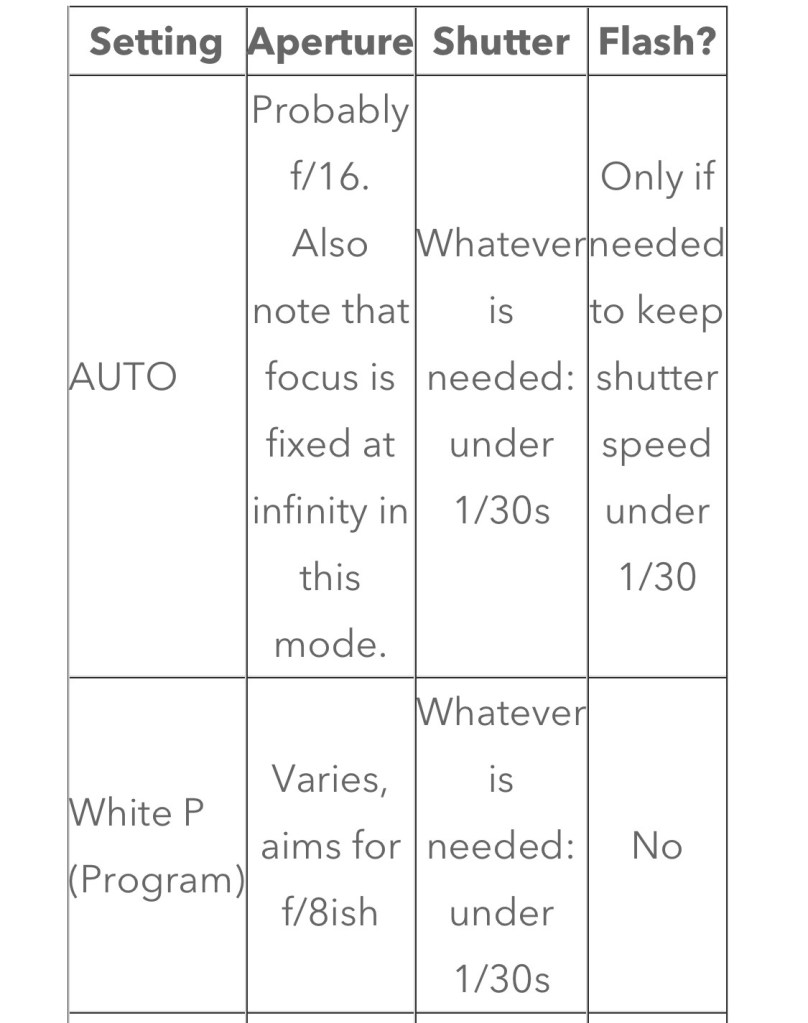
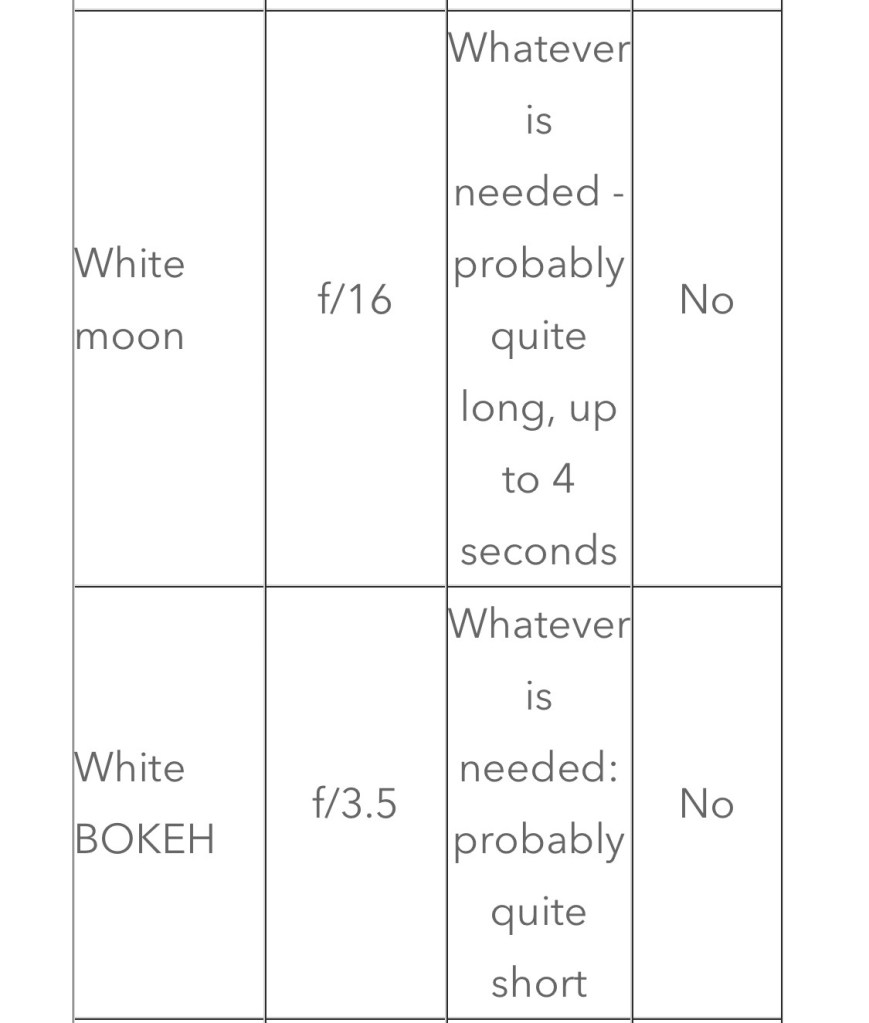
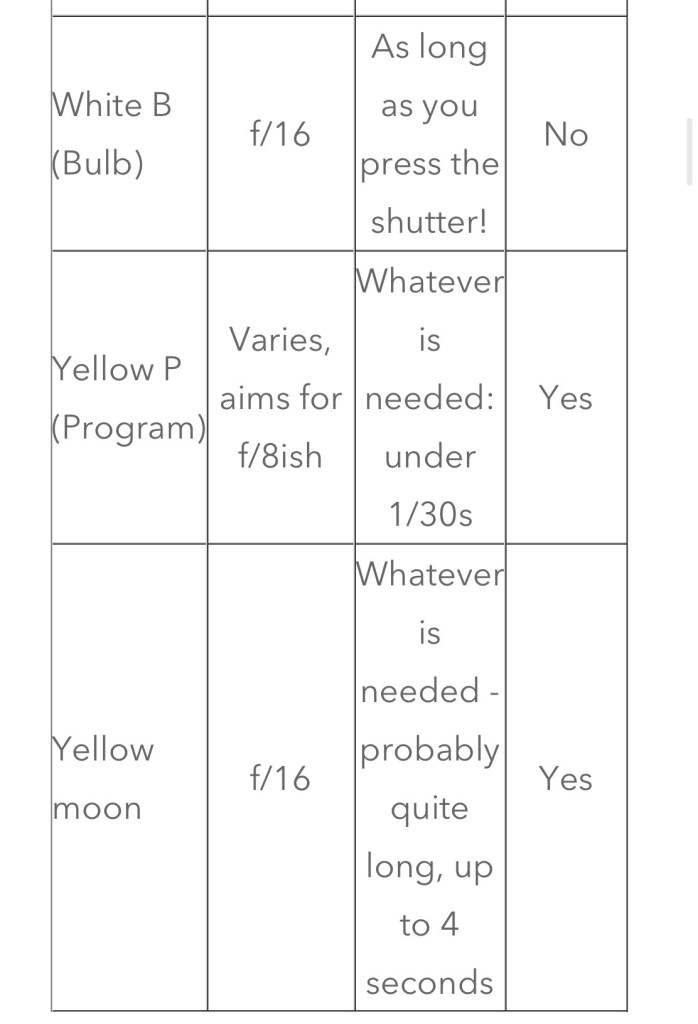
It has an ISO dial – most probably for calculating the presets – which can most surely be manipulated to gain further control of the shot.
72 photos are a lot.
The Harman is a rabid dog impossible to tame. Yields unusual colours and grain. Becomes reasonable if exposure is perfect but runs amok at the slightest écart from the very small exposure latitude. And it’s closer to 100 than it is to the advertised ISO 200.
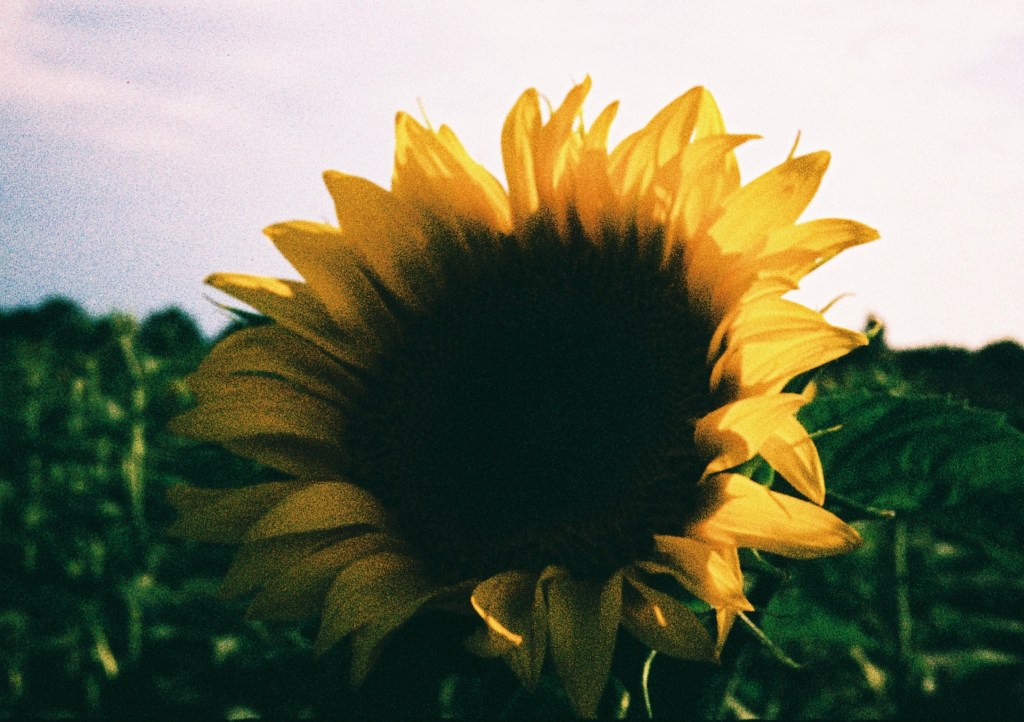
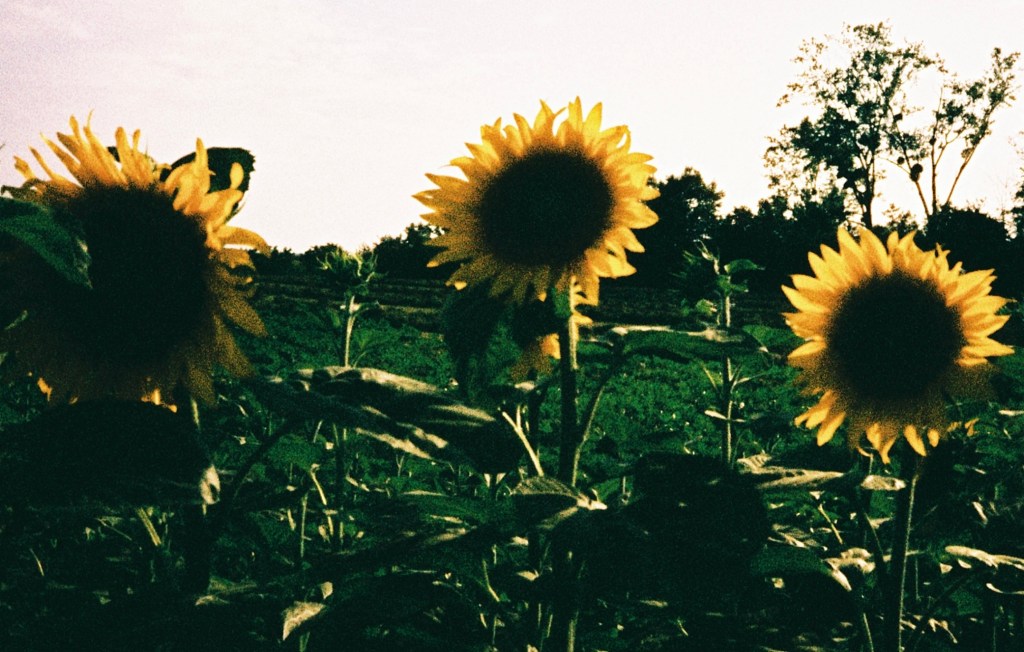
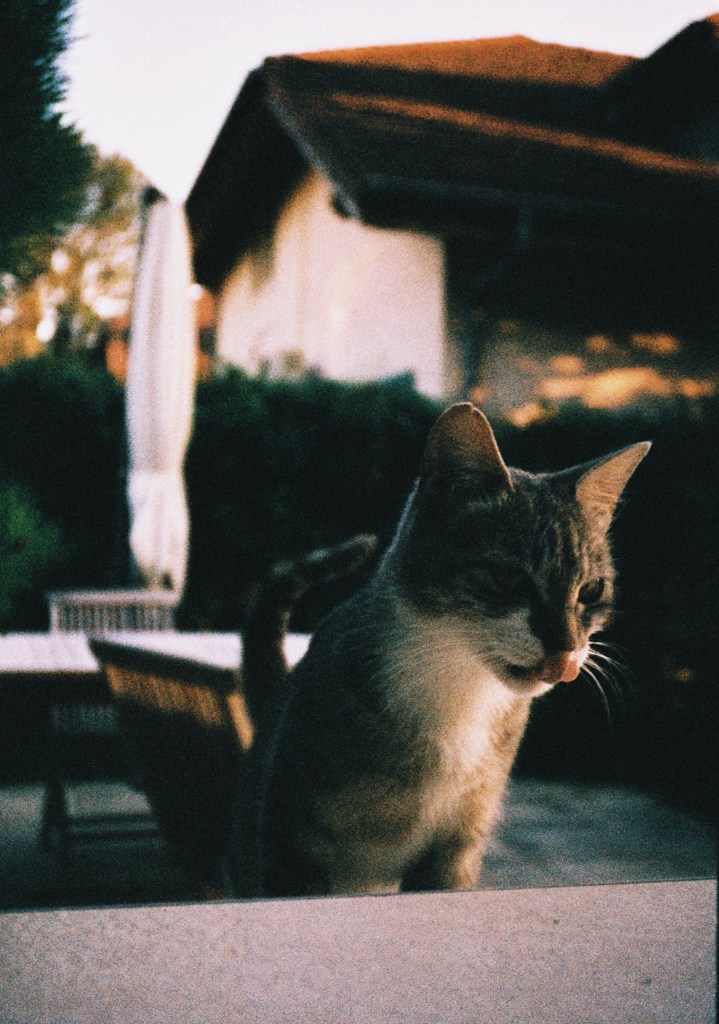
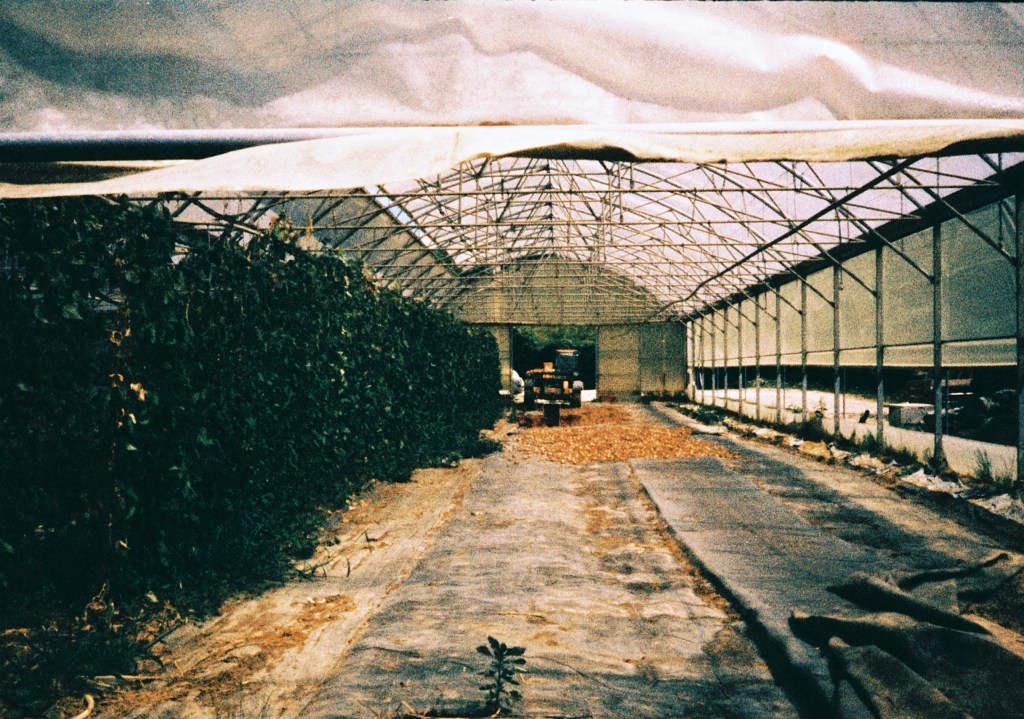
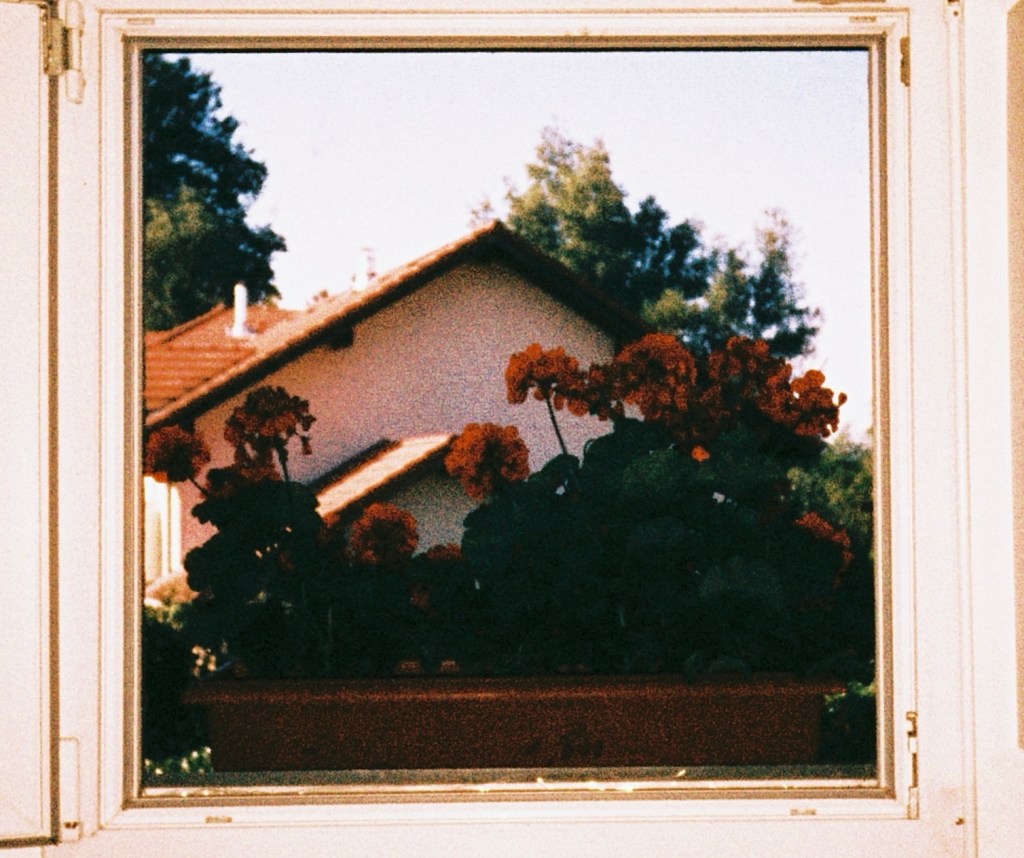
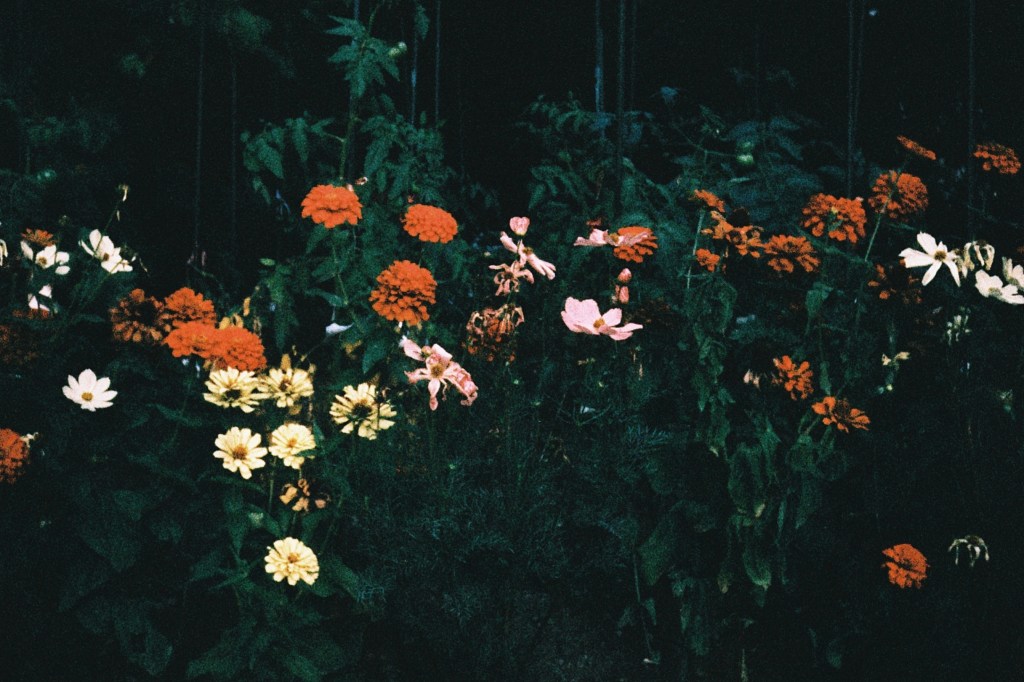
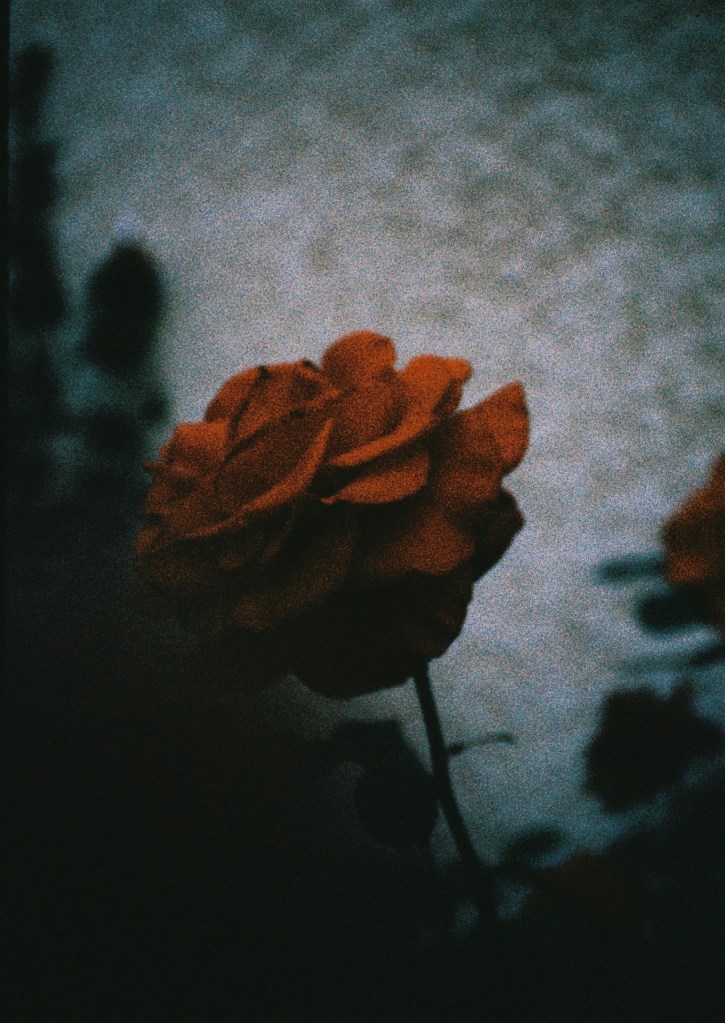
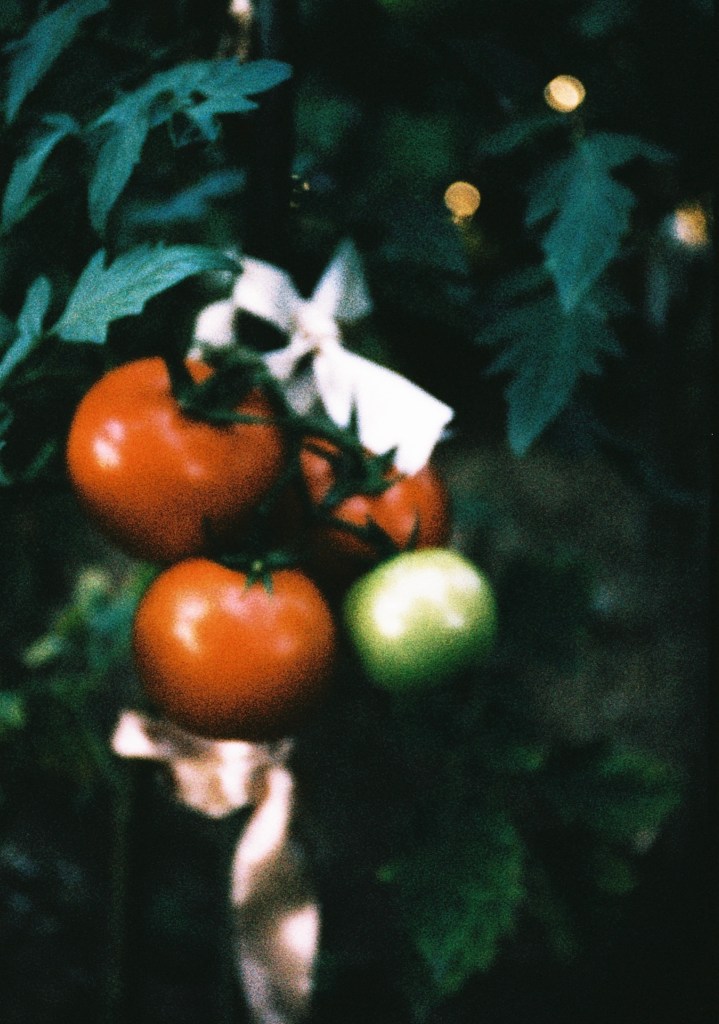
Ilford:
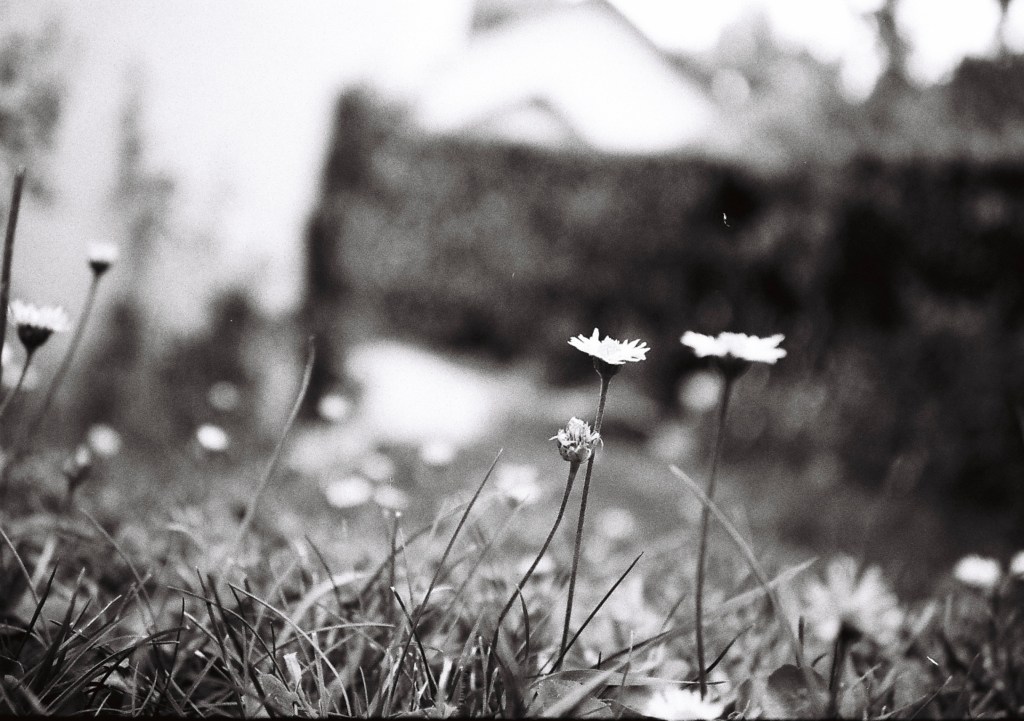
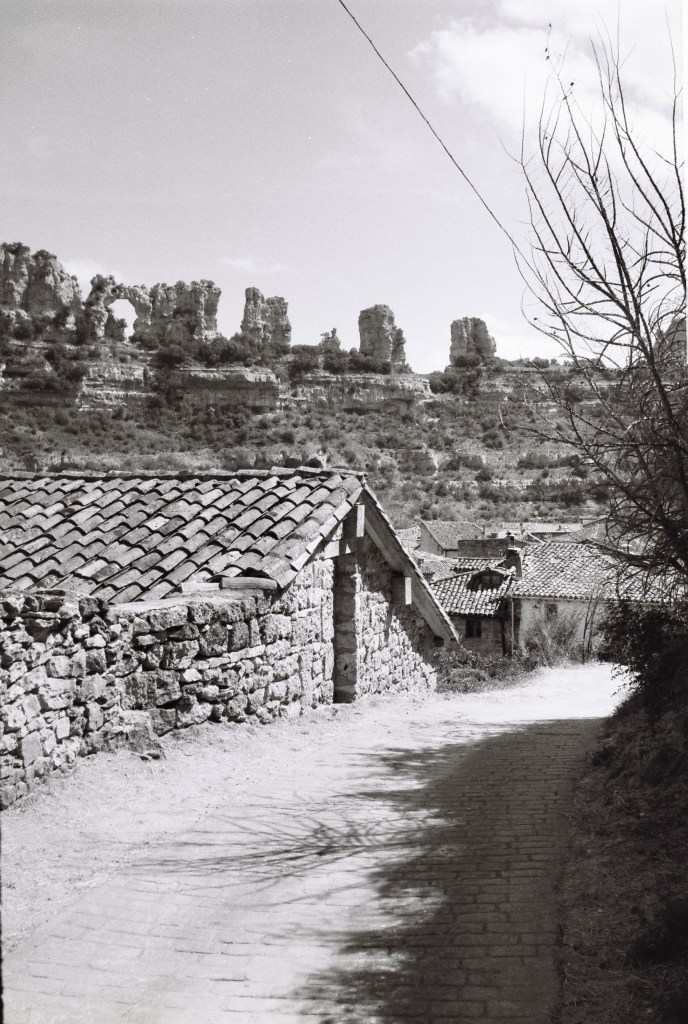
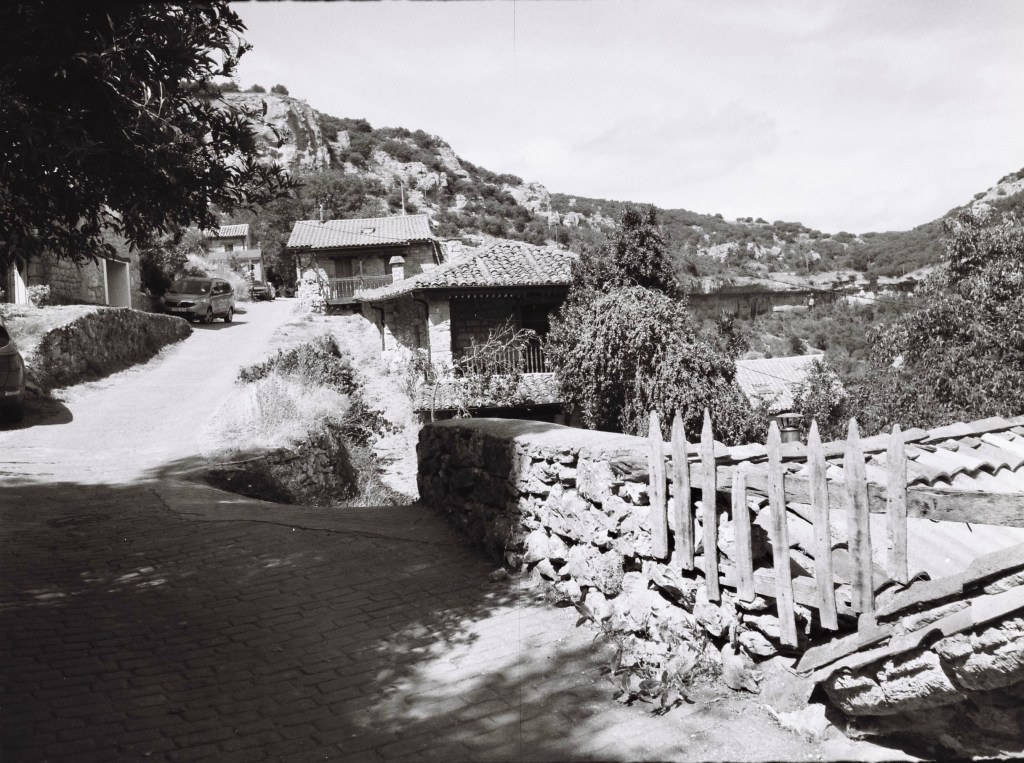
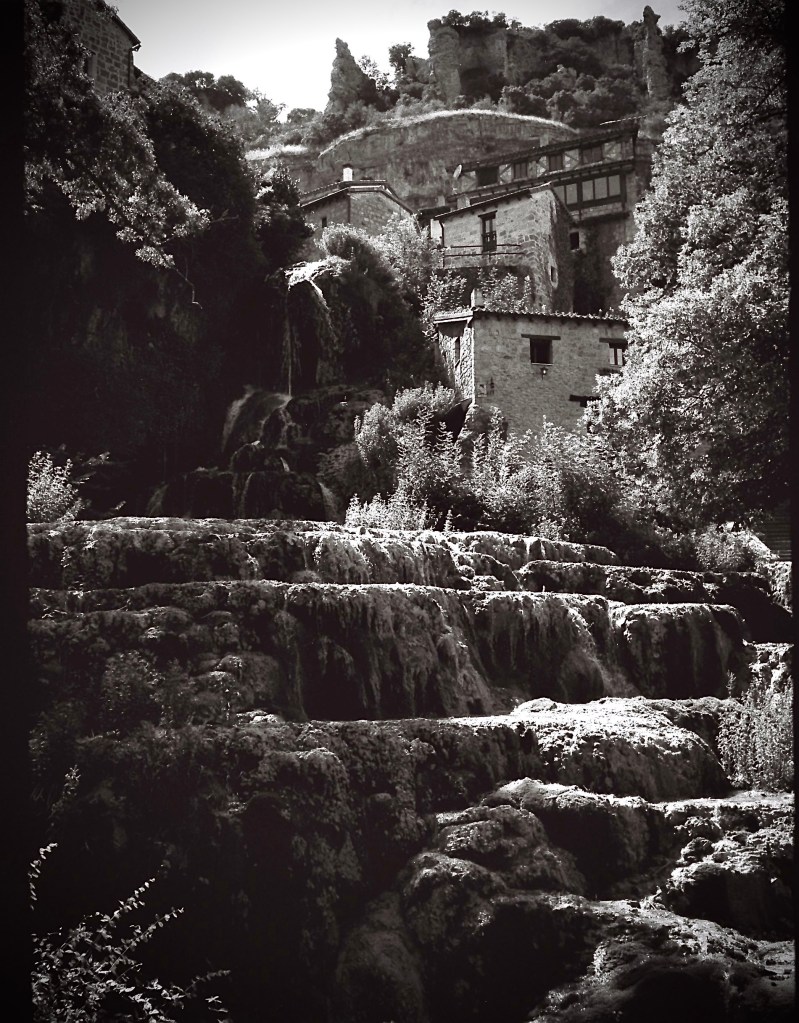
December 2024
The advance lever broke down and had to send it for repairs. They did repair it, and sent me the same camera back (serial number matches). This happened on the 3rd or 4th roll. Has been working fine since.
I bought a Lomo Apparat when the Pentax broke down, which sent me down a very deep rabbit hole – I now own 10+ Lomo cameras.
While mostly plastic like the Lomos, the Pentax is a modern camera with substantially superior capabilities in terms of controls, light gathering, mechanics, size – pretty much everything. This is the « always-in-the bag» camera that pretty much guarantees I can get a shot of whatever when coupled with a high-ish ISO film.
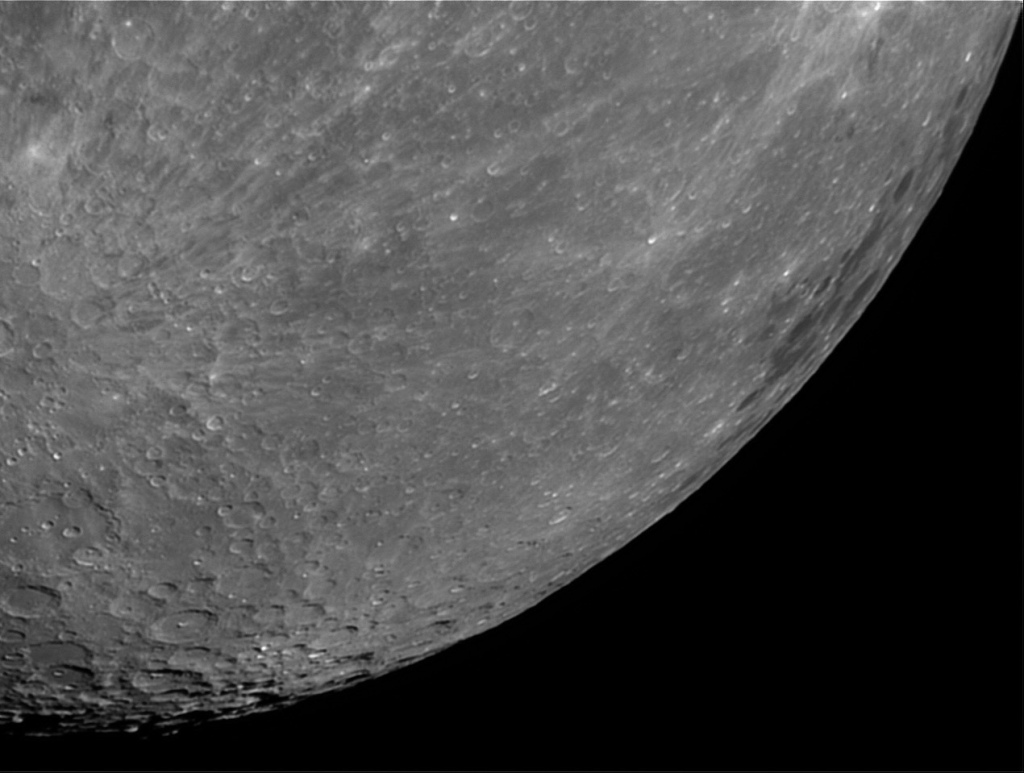
ASI224MC & FS-60CB f/20, Teegul SP3 EQ & AsiAir+


60×120”; FSQ-85ED f/6.2 & ASI071MC, GT-40 240mm & ASI224MC; ZWO AM5 & ASIair+


Emission nebula with a star cluster located 5’700 light-years away: photons travelling since 3’700 BC, when man invented writing in the early bronze age.
Mag 6.4 and 70×50 arc minutes in size.
60×120”; FSQ-85ED f/6.2 & ASI071MC, GT-40 240mm & ASI224MC; ZWO AM5 & ASIair+

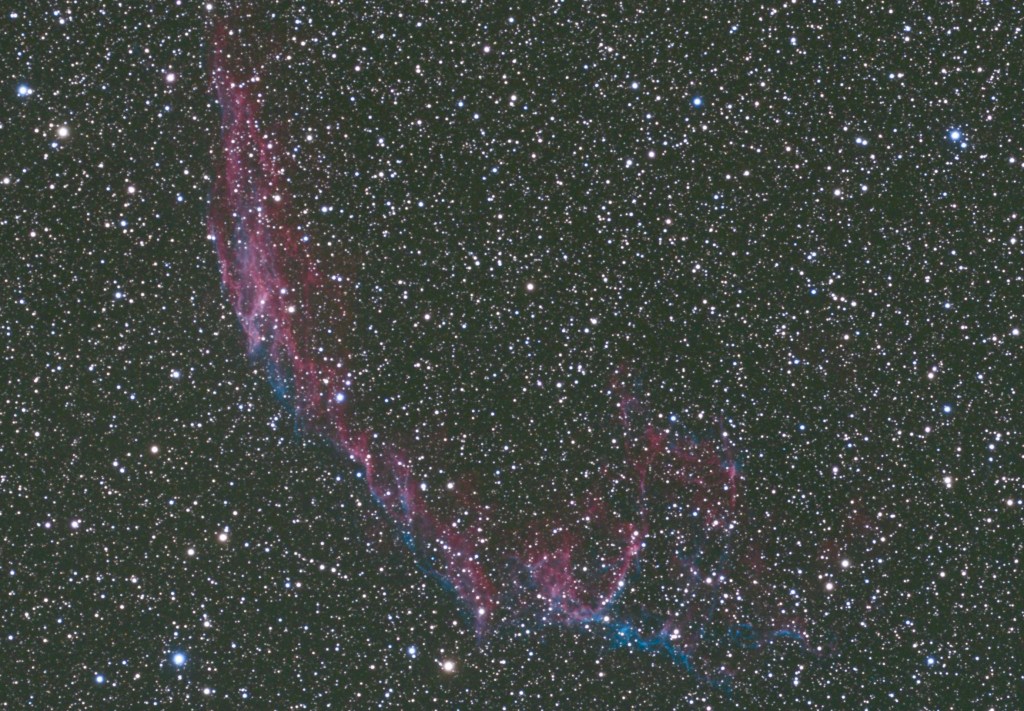
Distance – 2’400 light-years: photons travelling since the 4th century BC when Greek civilization was at its height.
Emits (mag 7) in the wavelengths corresponding to oxygen, sulfur and hydrogen. It is a supernova remnant from 15’000 years ago that expands at a rate of 1.5 million km / hour.
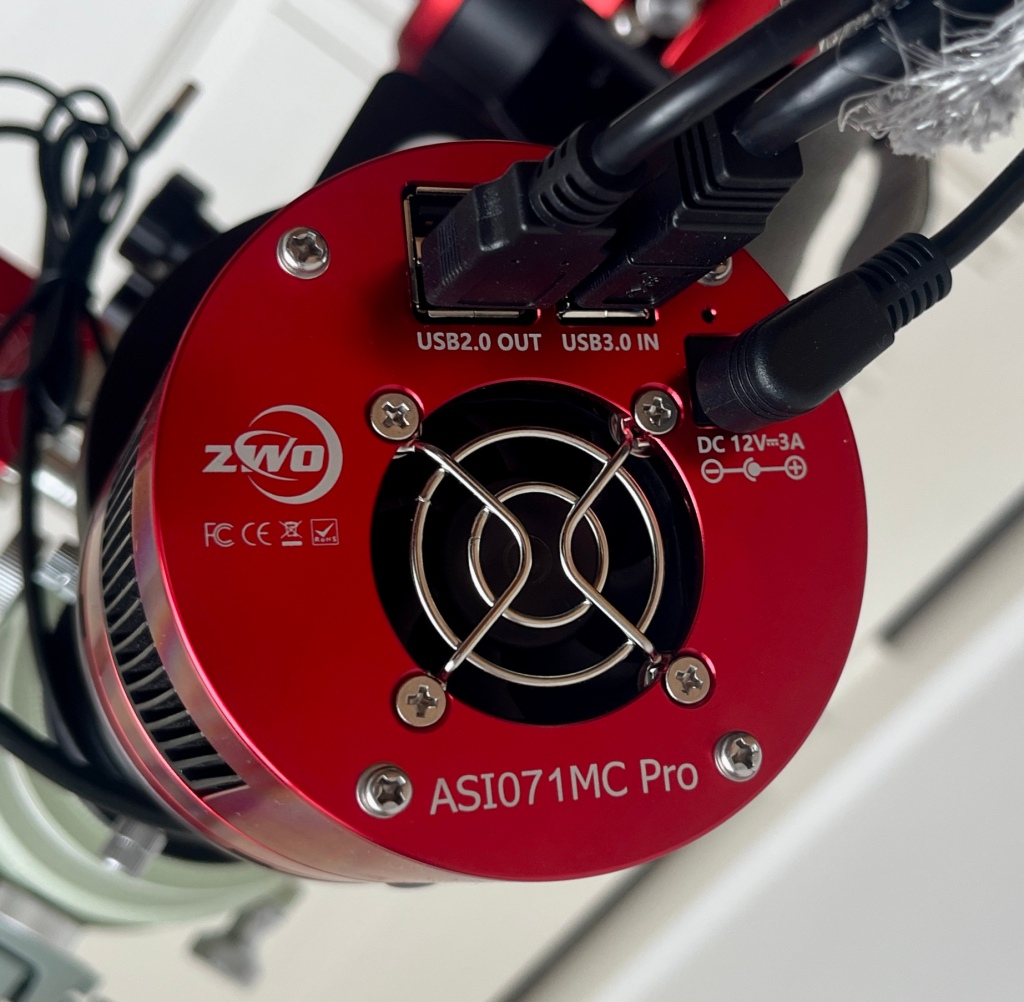
73×120” FSQ-85ED f/6.2 ZWO ASI071MC-Pro GT40/ASI224MC AM5.

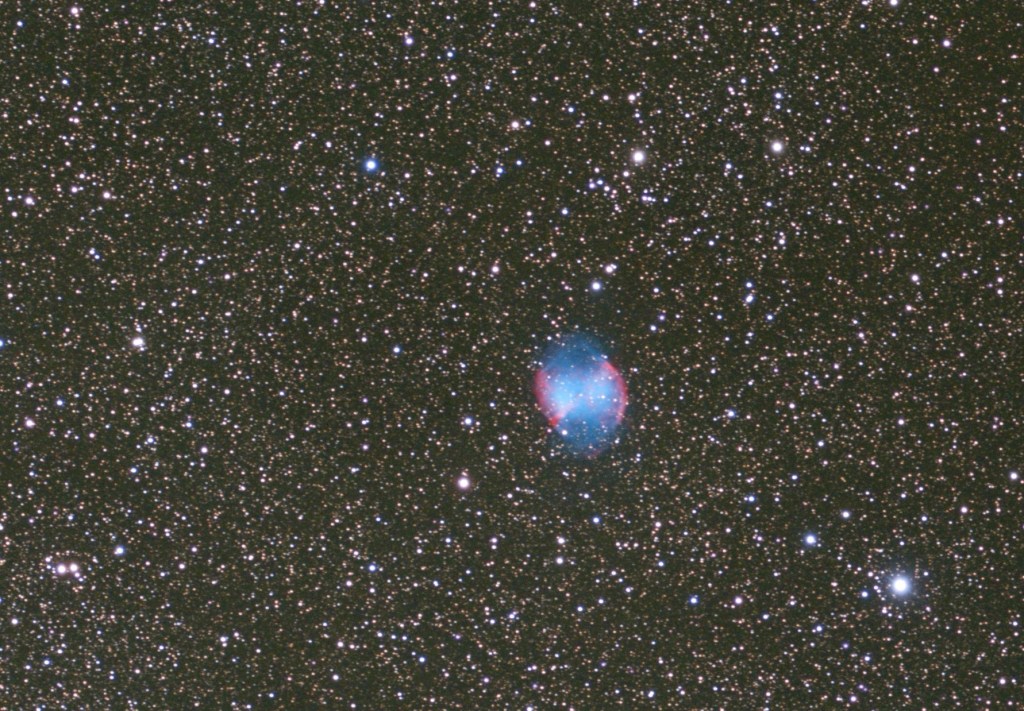
This is a nebulosity surrounding a white dwarf star located 1360 light-years away: photons travelling since the fall of Constantinople and the rise of islam in the 7th century AD.
Mag 7.5 and 8 arc-minutes in size.

Current setup – spring 2023
The setup consists of two scopes on two mounts – one for lunar / planetary, the other for deep sky.


1. Optics
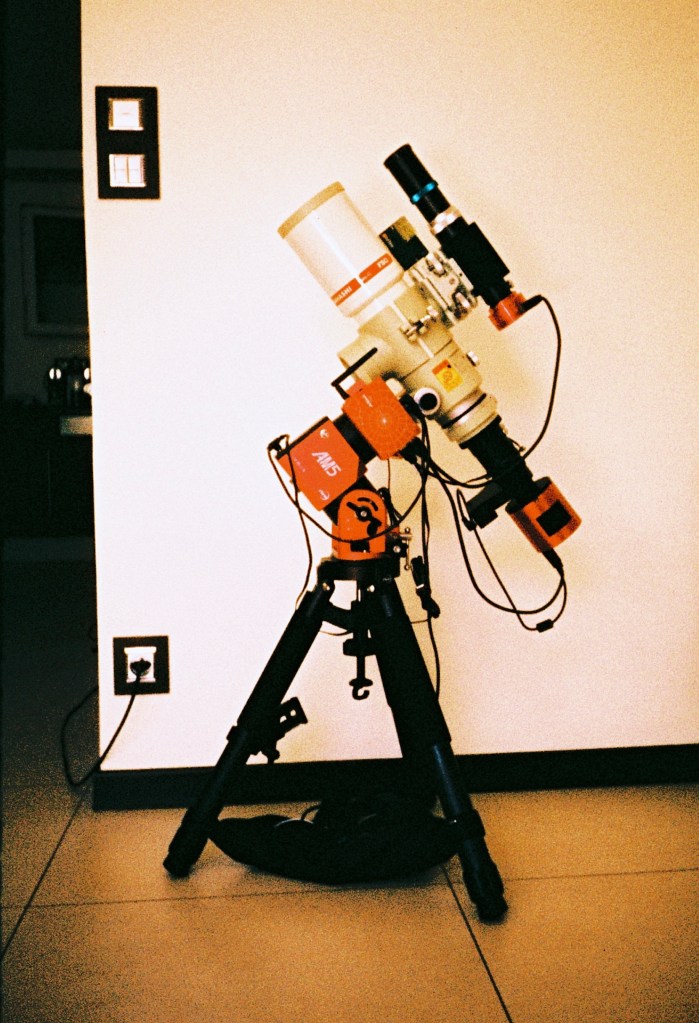
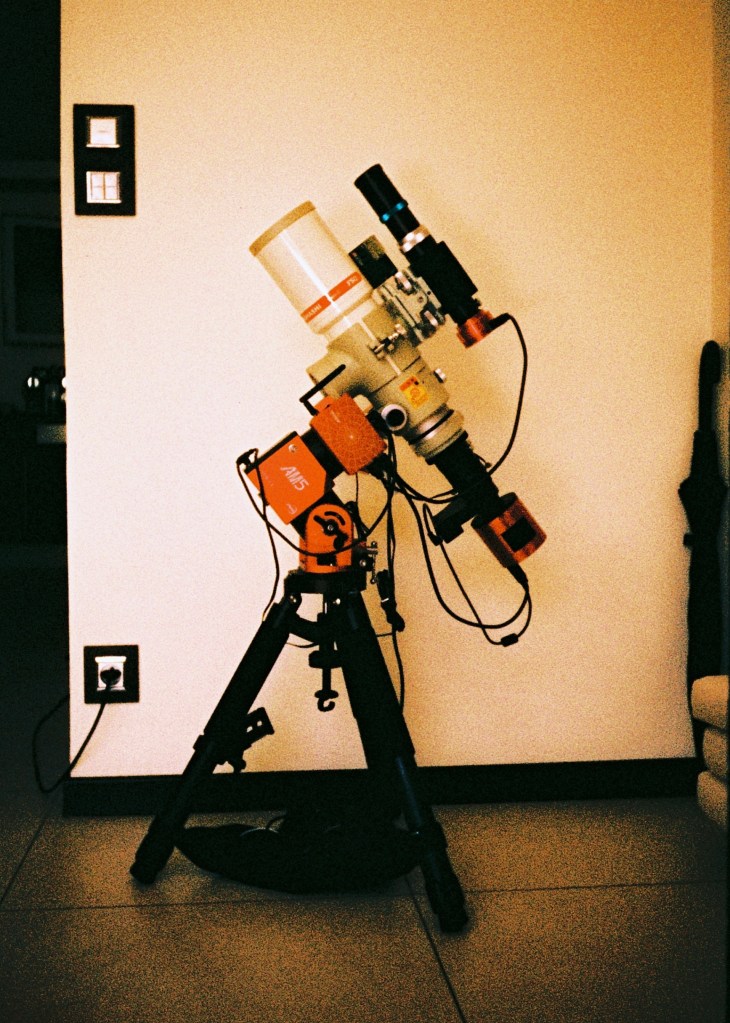
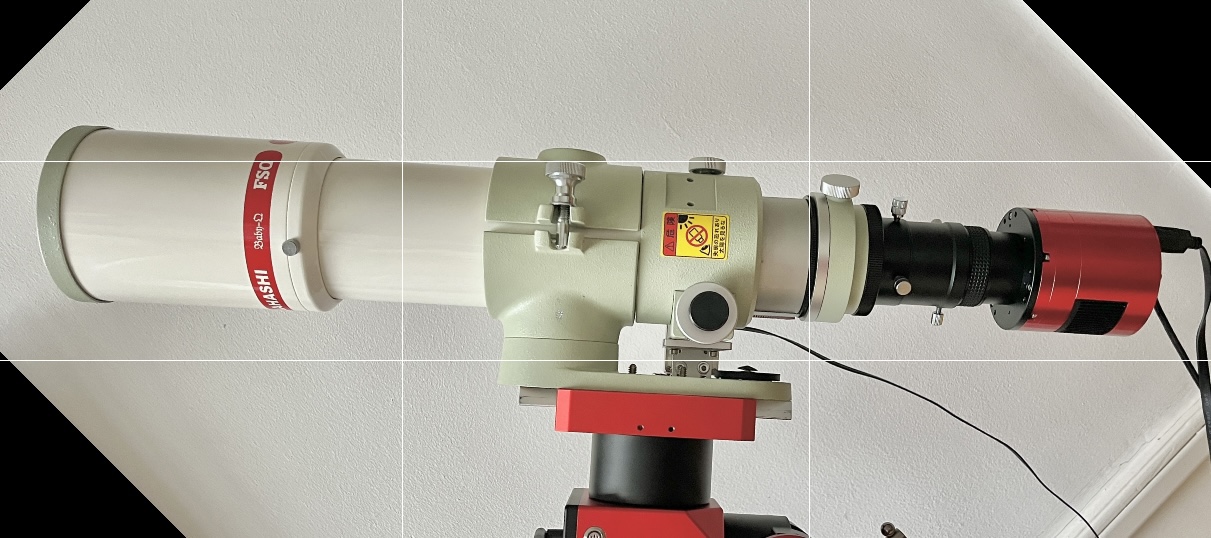
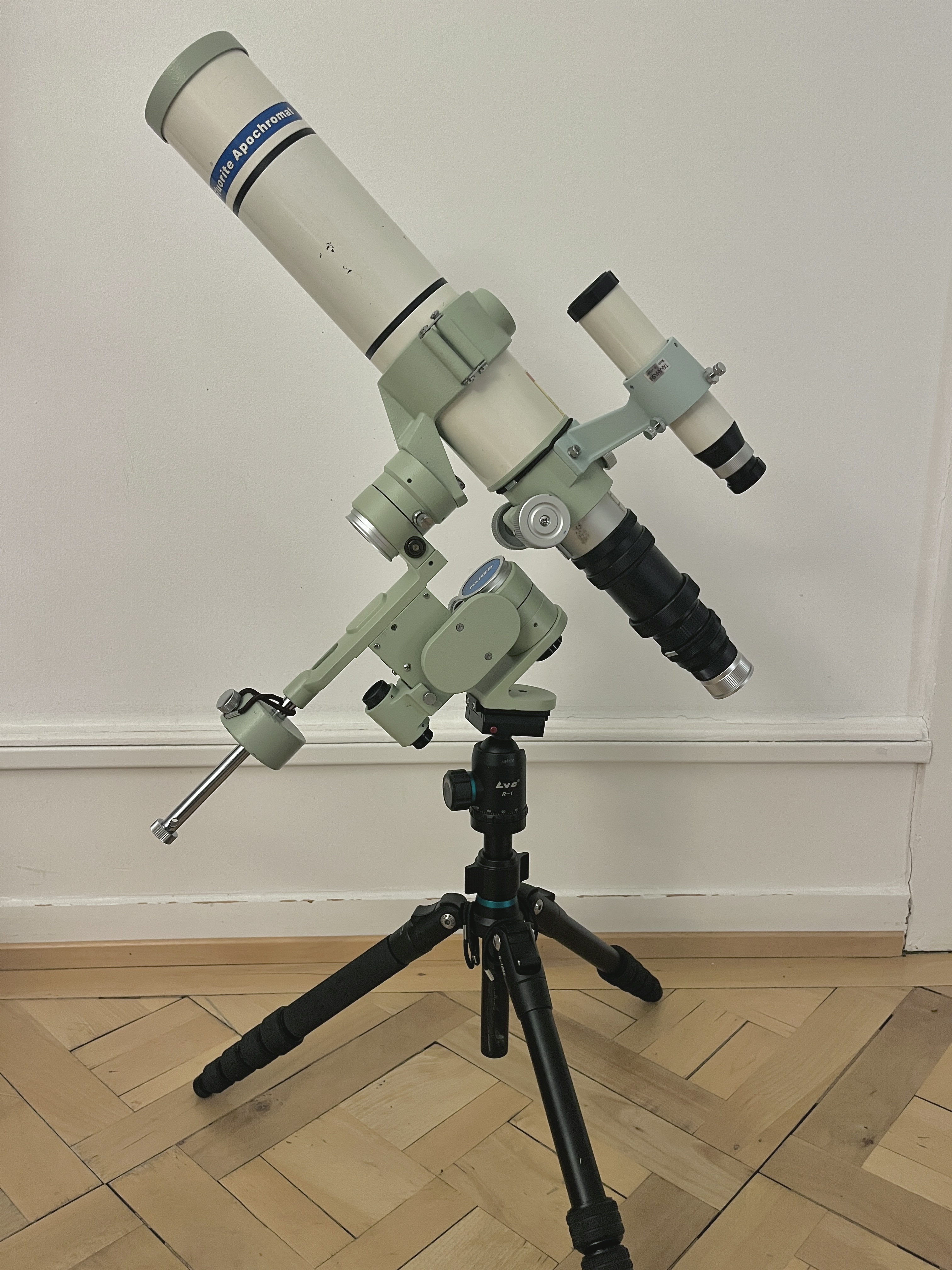
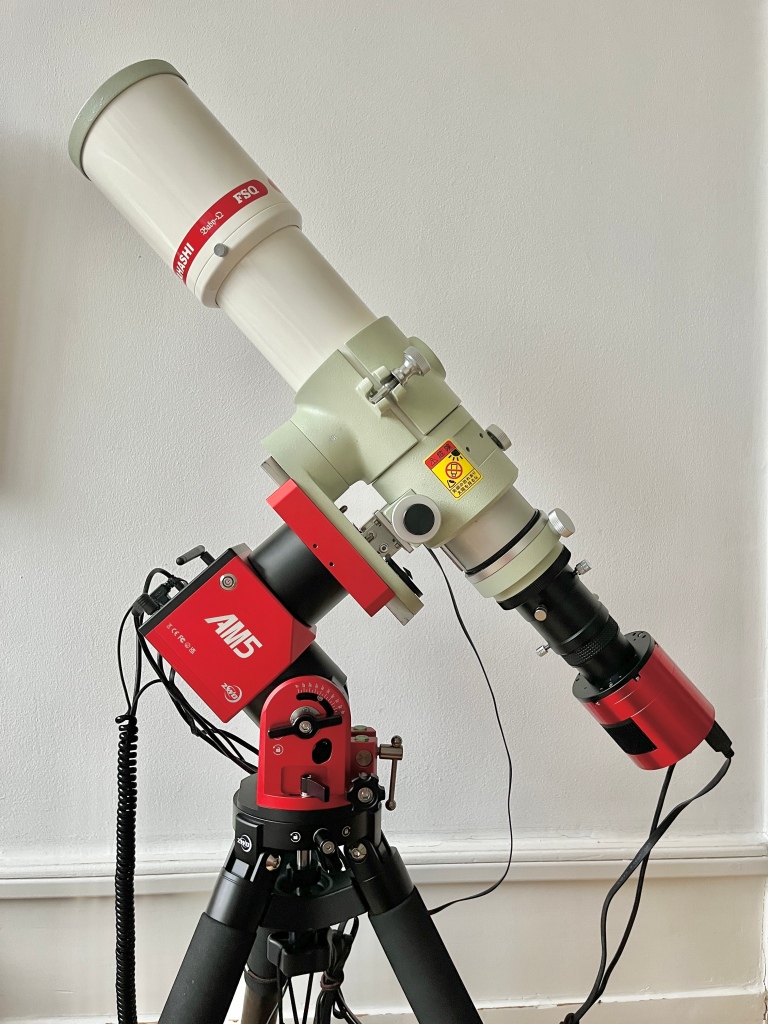
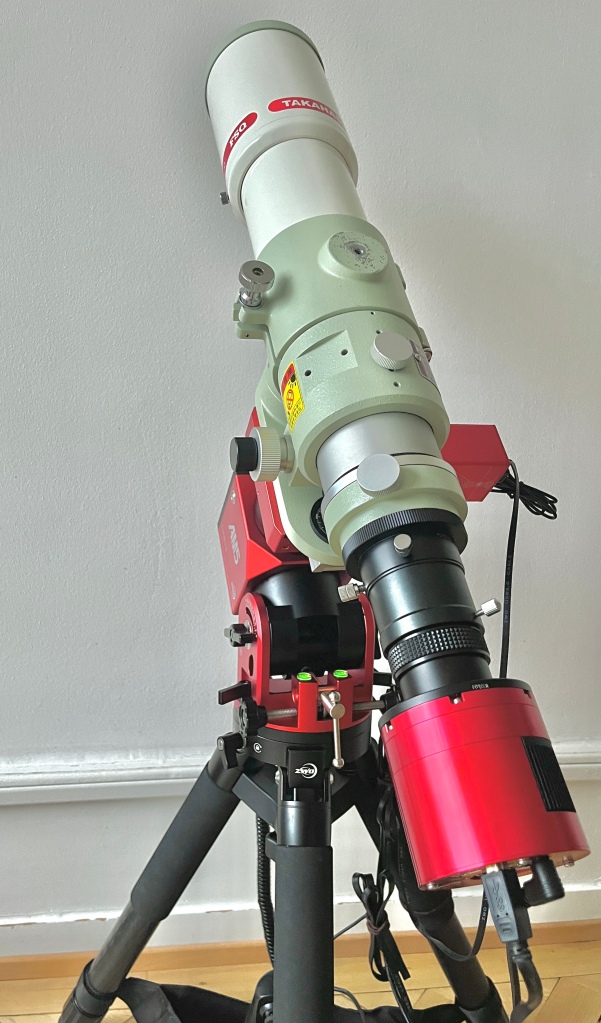
Both instruments are refractors: the Takahashi FS-60CB and the FSQ-85ED. The focal length of the FS-60CB varies from 355mm to a whopping 2m; used for photos of the solar system. The FSQ-85ED f/6.2 has a 2°x3° FOV and a motorised focuser; used for deep sky photography. Autoguiding with the ZWO 224MC through the Takahashi GT-40 (40/240mm) carried by the AZ guidescope mount that allows fine movement 6° in altitude and 10° azimuth.




2. Mounts
The mount that carries the planetary scope is the Takahashi Teegul SP3 EQ. This is a tiny equatorial mount motorised in RA only that provides surprisingly good tracking at high focal lengths. Very small, ultra-light setup successfully used to photograph the 2019 total solar eclipse from Chile.

The deep-sky mount is the ZWO AM5 EQ. This is a tiny mount weighing only 5kg that is equipped with a harmonic drive system capable of carrying heavy loads. It is controlled through an app and provides polar alignment even if the pole is not visible. Fully integrated with ZWO cameras, autoguiding included.
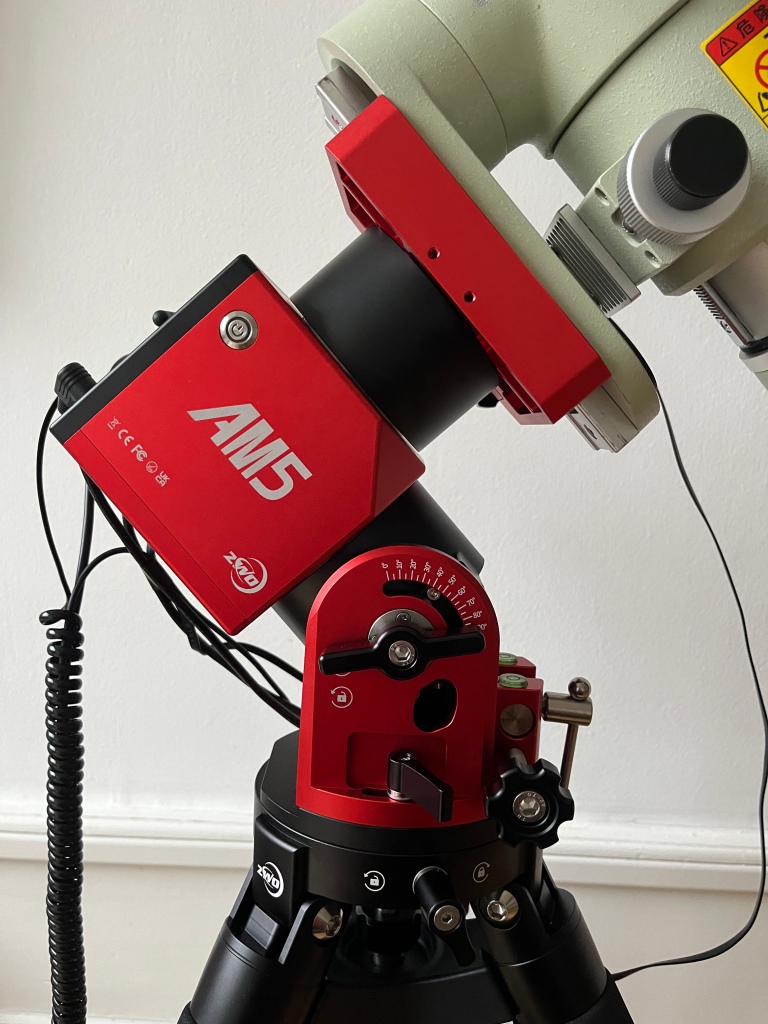


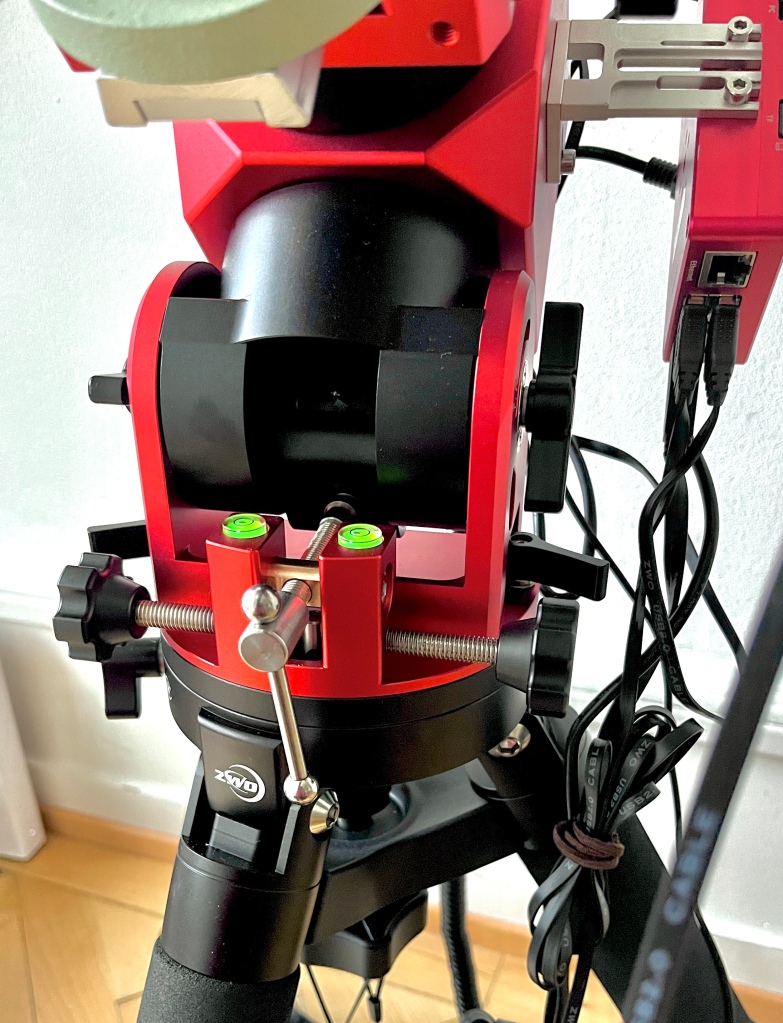


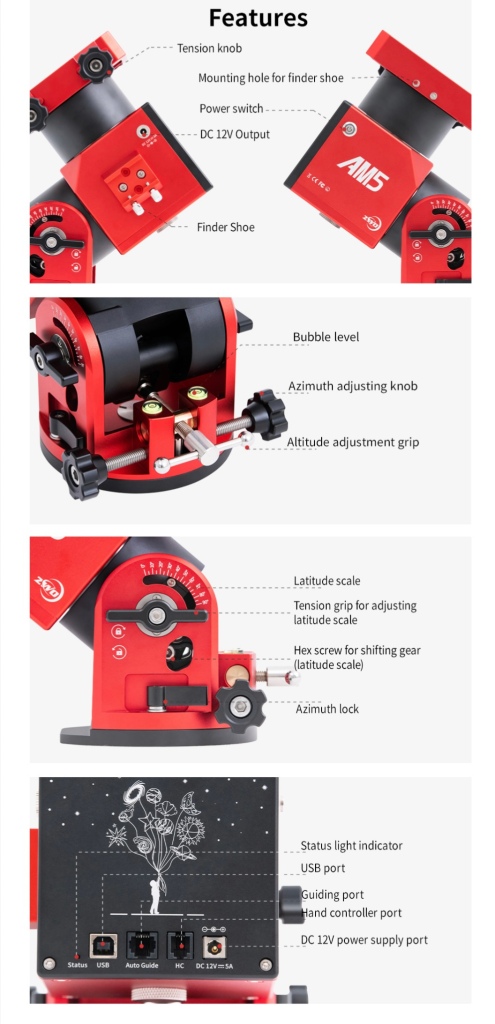
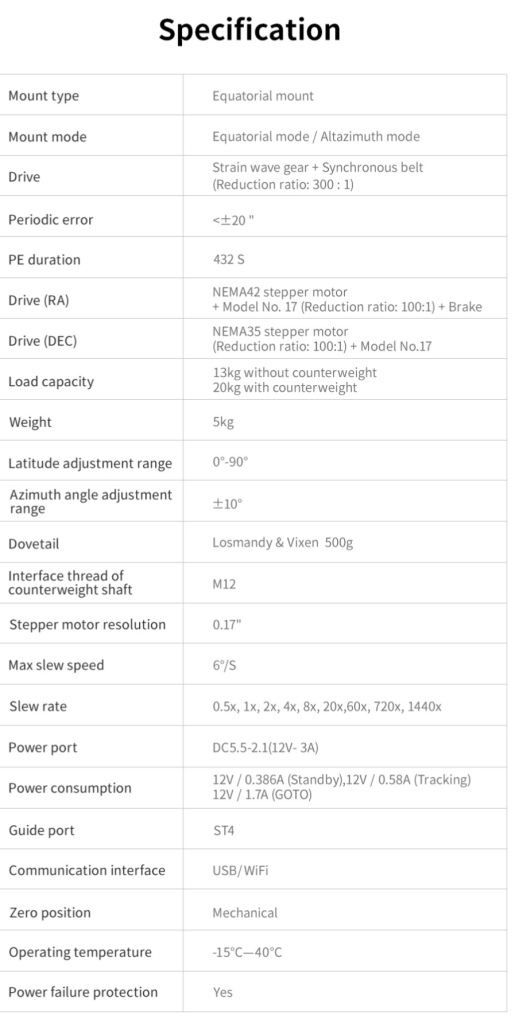

The manufacturer provides an error graph (24h) for each unit, guaranteed to be less than 20”. The periodic error is not really periodic, meaning it can not be compensated by playing it backwards. Autoguiding for long exposures (90s+) is imperative for harmonic drive mounts.

3. Cameras
The planetary camera is the ZWO 224MC and the deep sky camera is the ZWO 071MC – both color APS-C sensors. Controlled through the ASIair+ app.
Pixel size and focal length ratio needs to be calculated and thank Gaawd for chat gpt cause now you can ask it to do the work for you and provide clear numbers that can guide you further.


4. Filters
Dual narrowband filter that passes light at both H-Alpha (656 nm) and OIII (500 nm) wavelengths. H-Alpha Bandwidth: 15 nm; OIII Bandwidth: 35 nm.

Neutral density filters with 13%, 25% and 50% transmission.

Anti-light pollution filter.


The ZWO electronic mini filter wheel (5 filters).

5. Controller
The ZWO ecosystem is controlled by the ASIair+ device which handles *everything* from polar alignment to camera control, guiding, aligning and stacking. The interface is an app on your device and it solves plates.
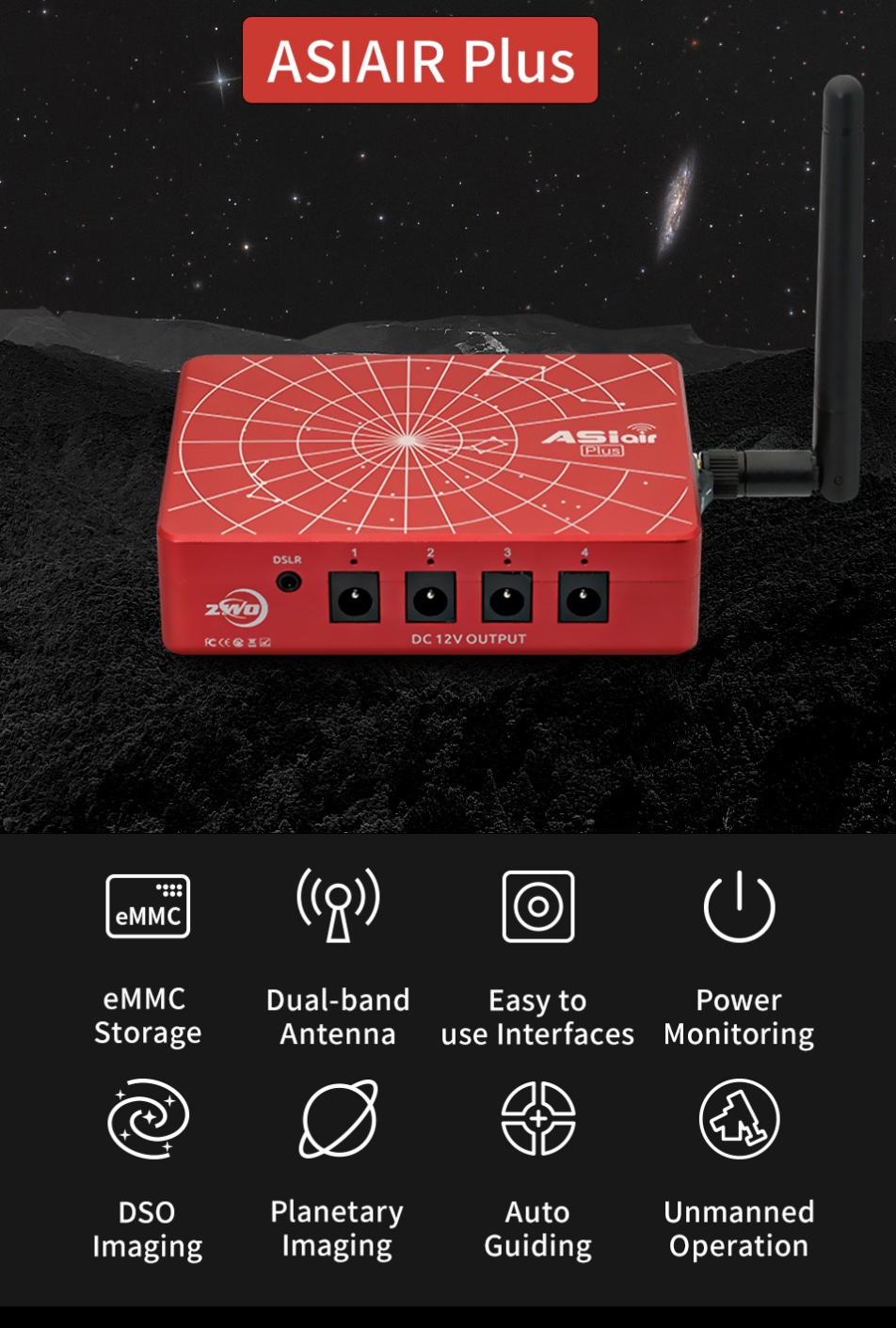

6. Power
Power is supplied by a 220Wh source from Revolt.

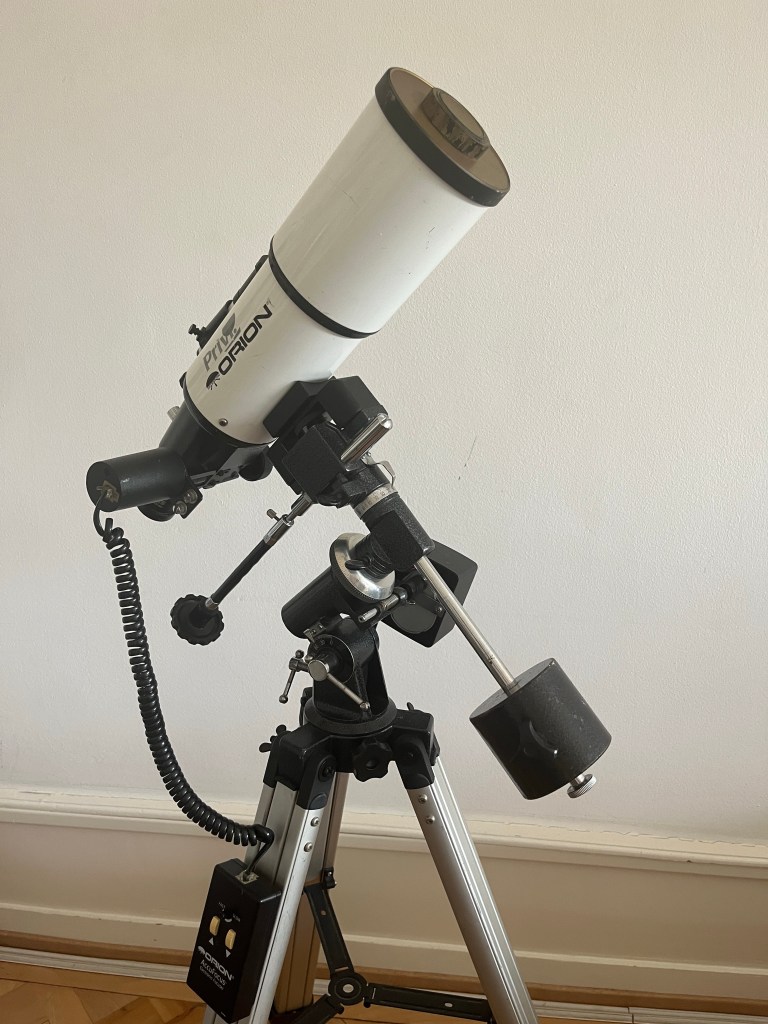
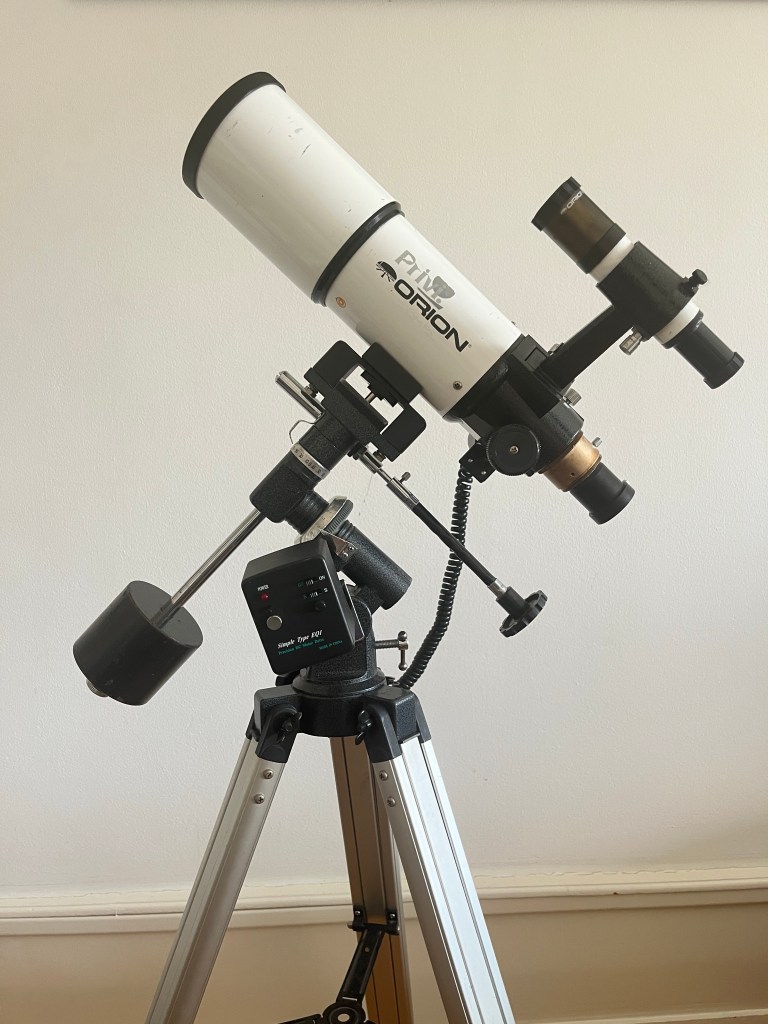
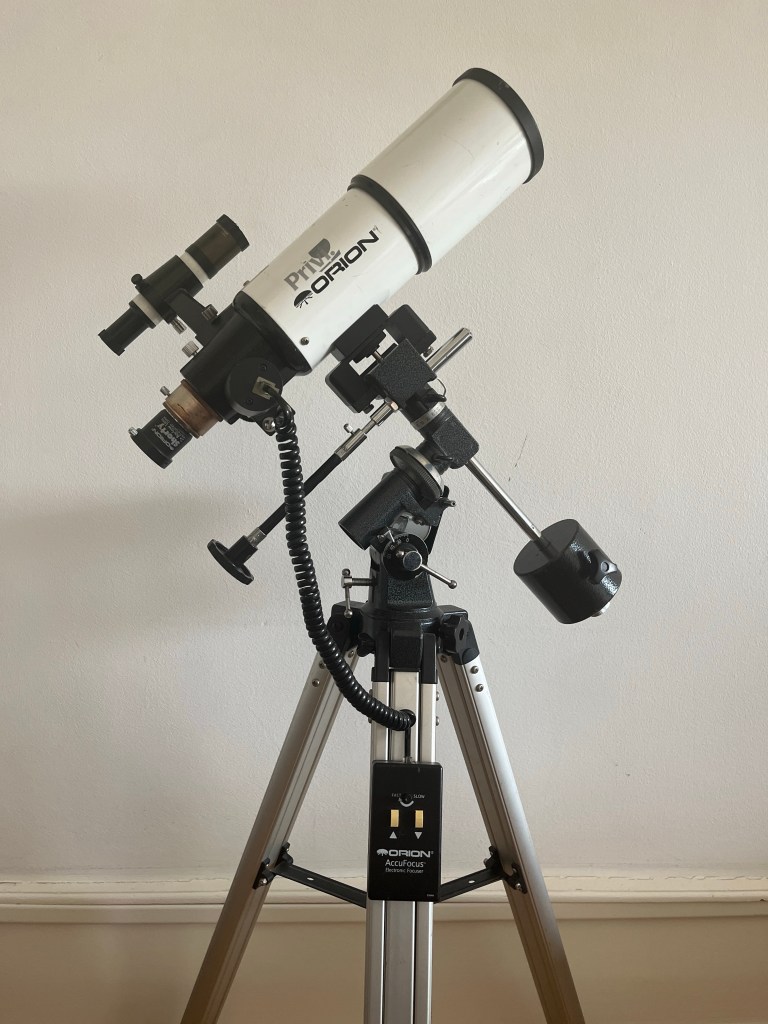
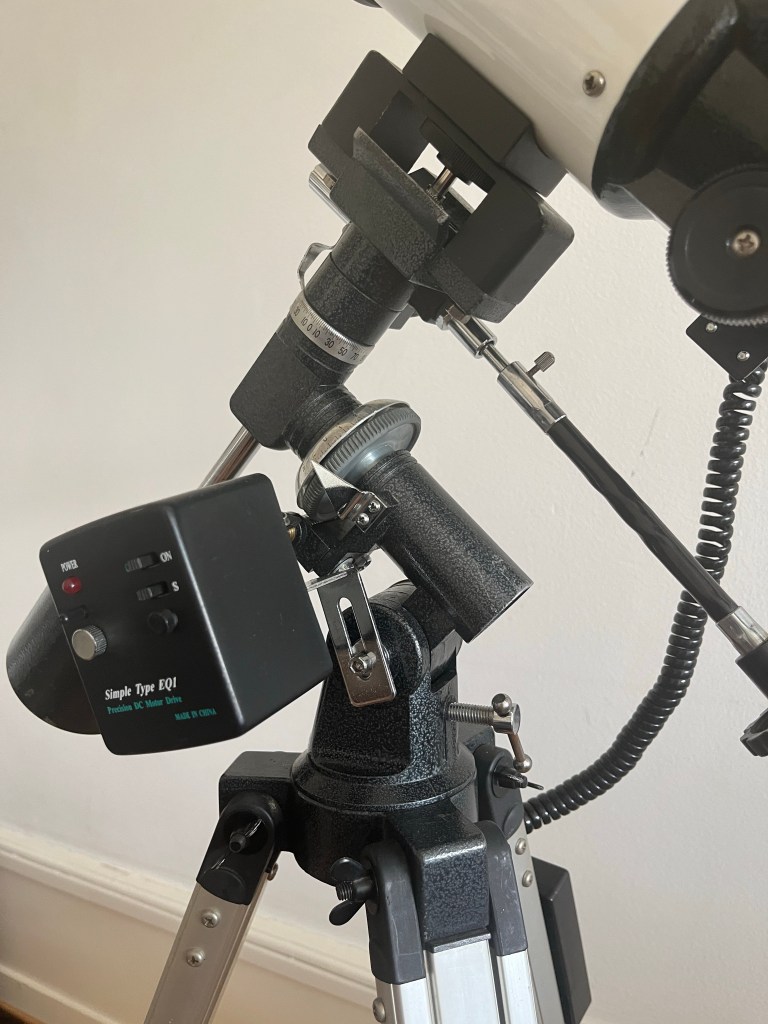
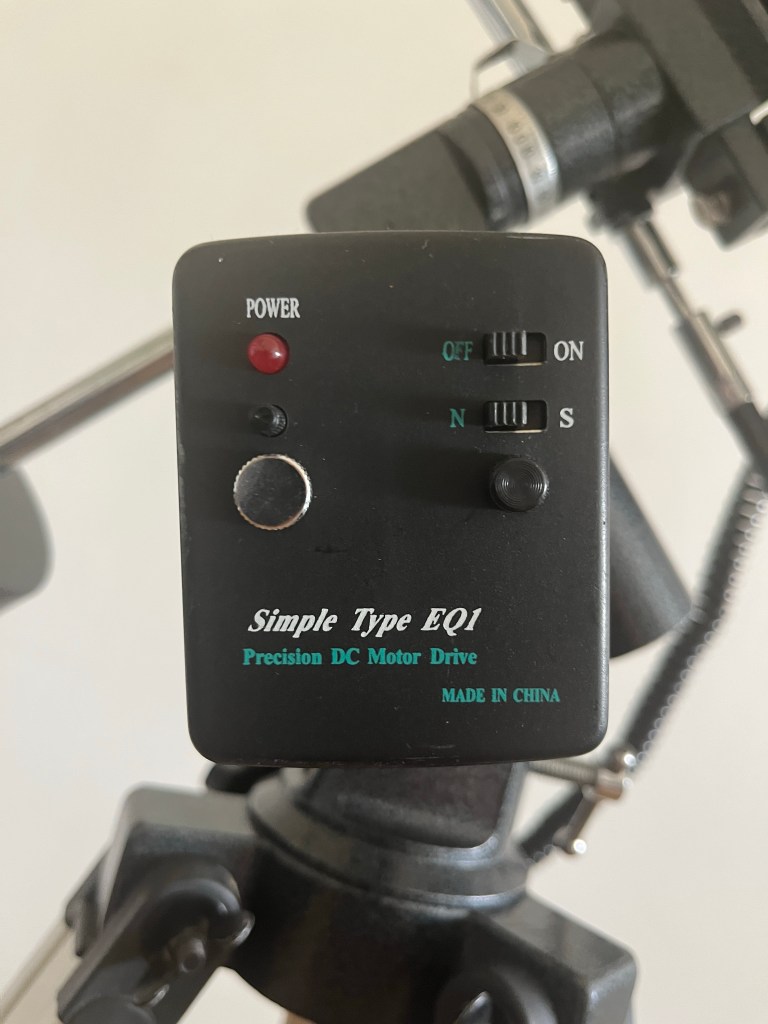
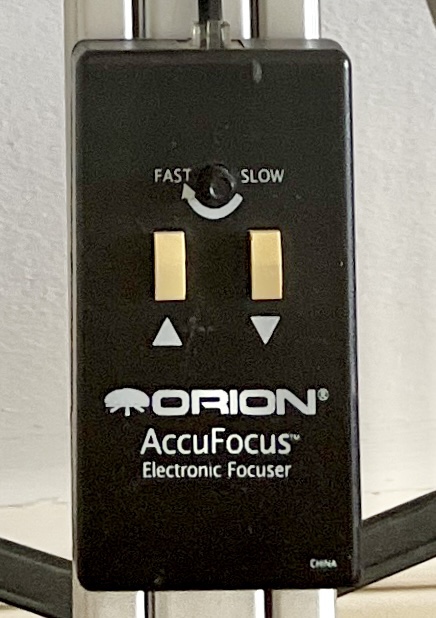
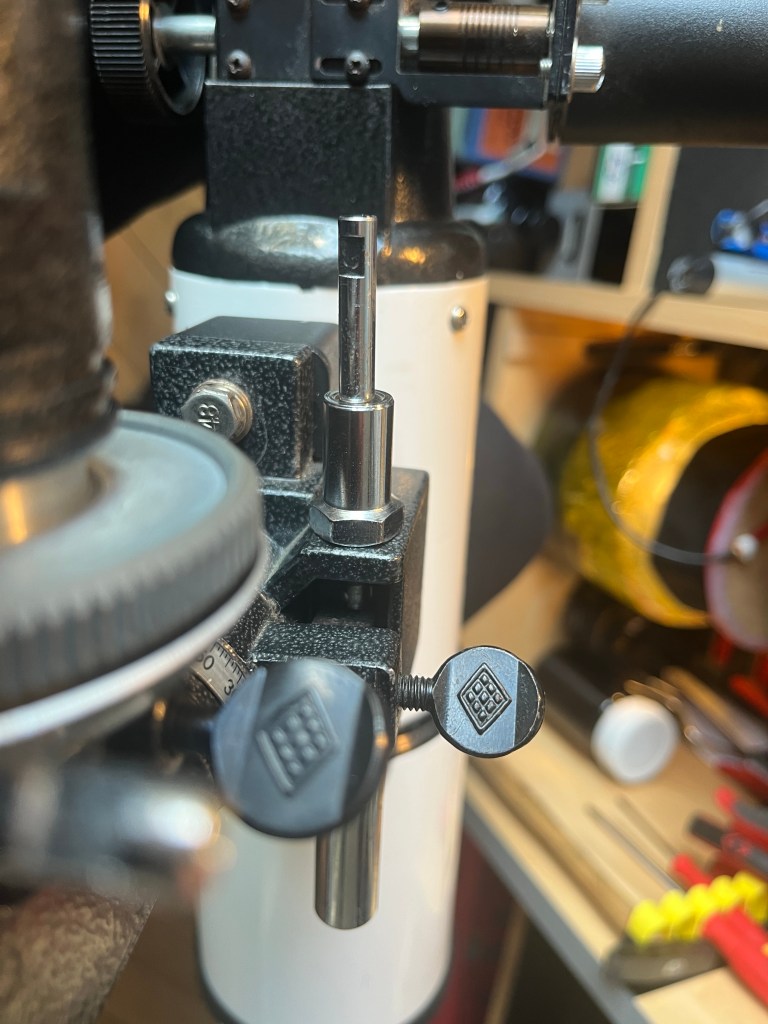
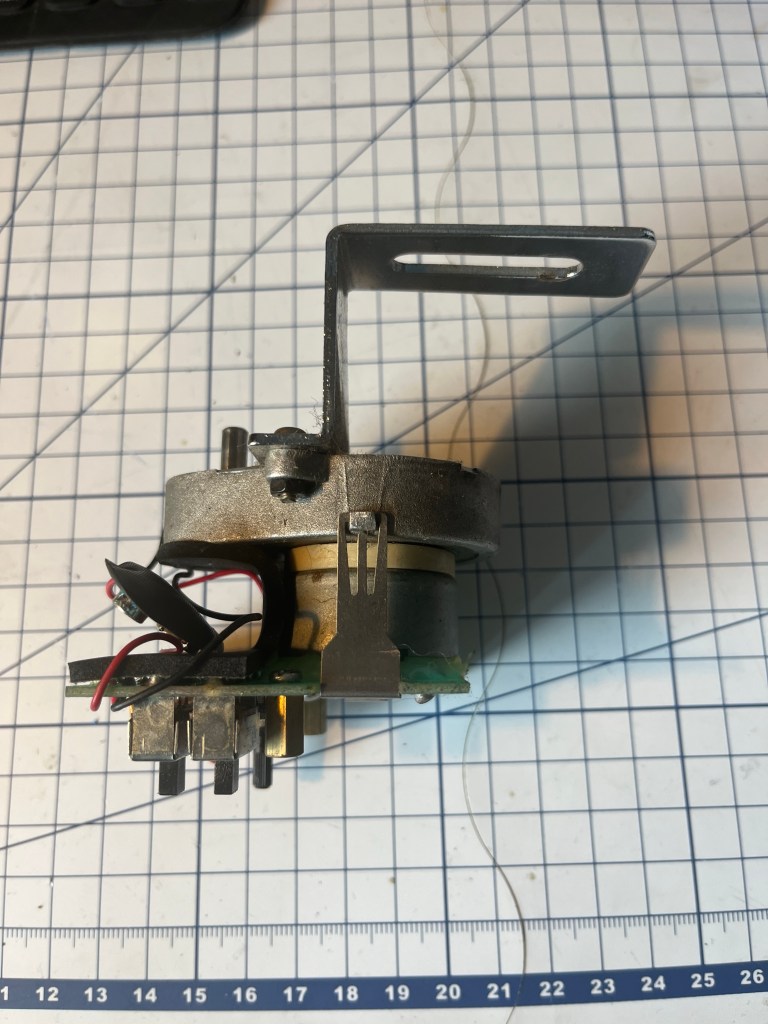
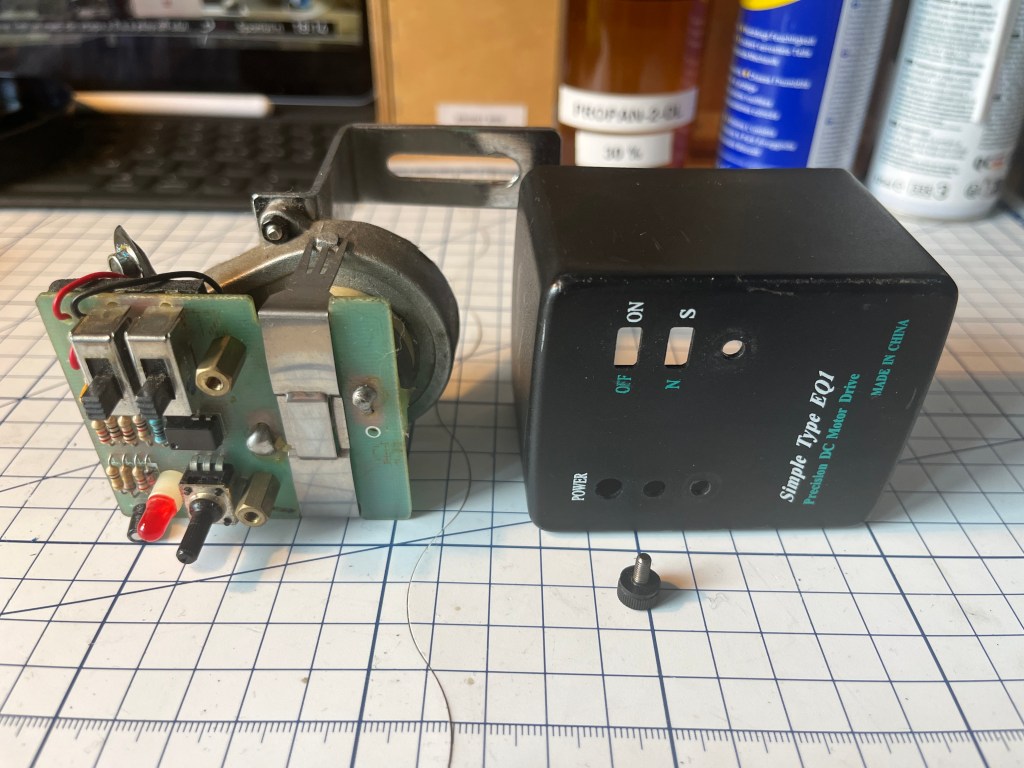
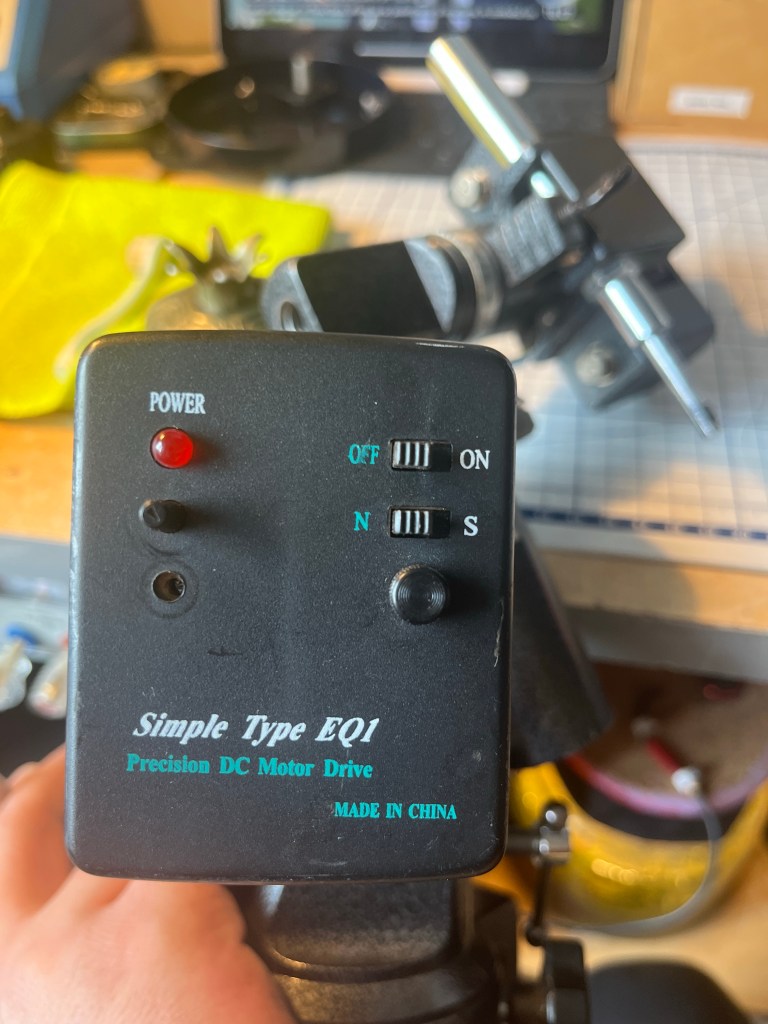
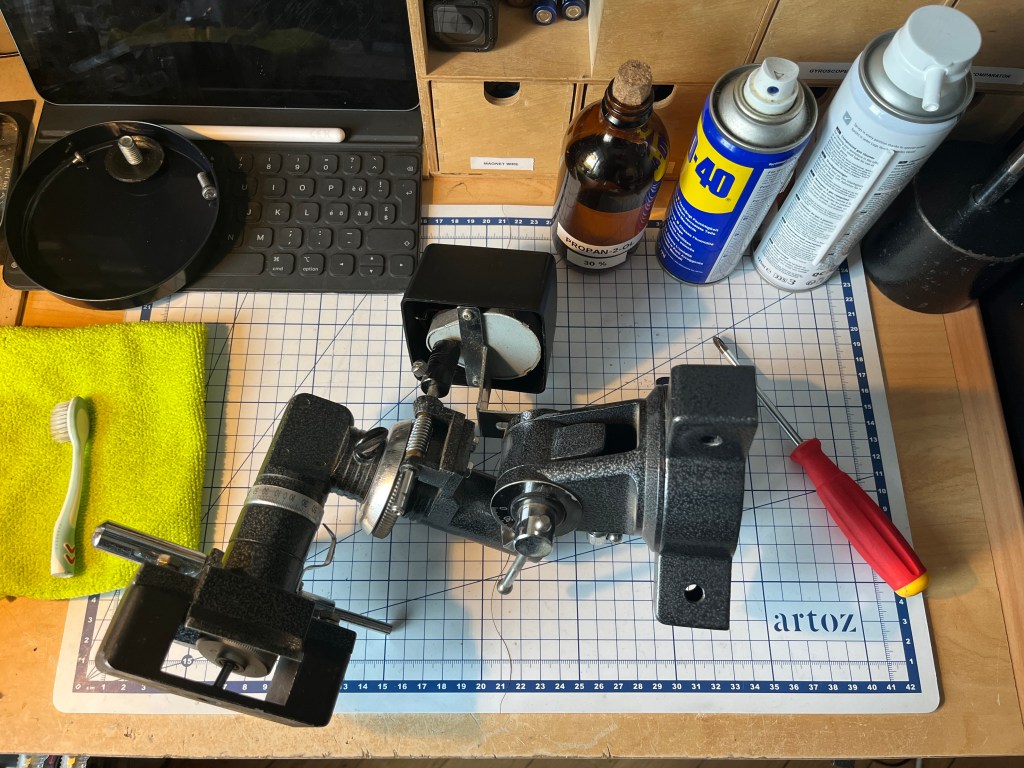
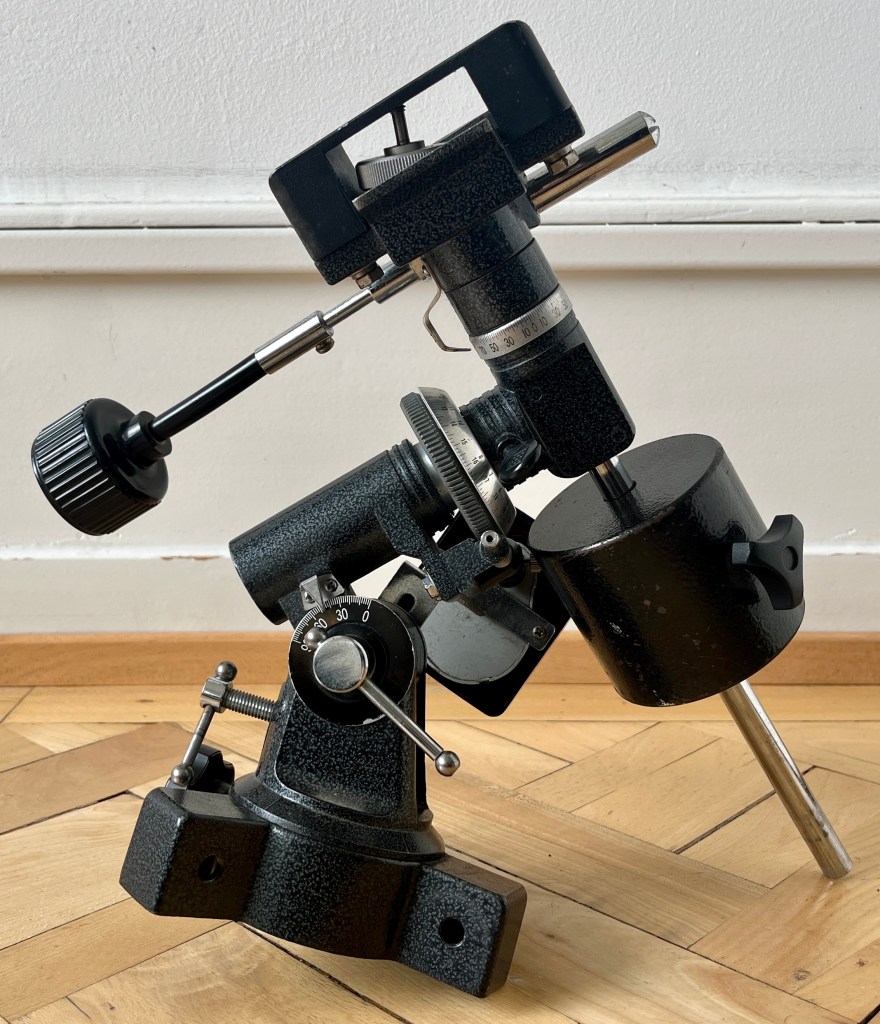
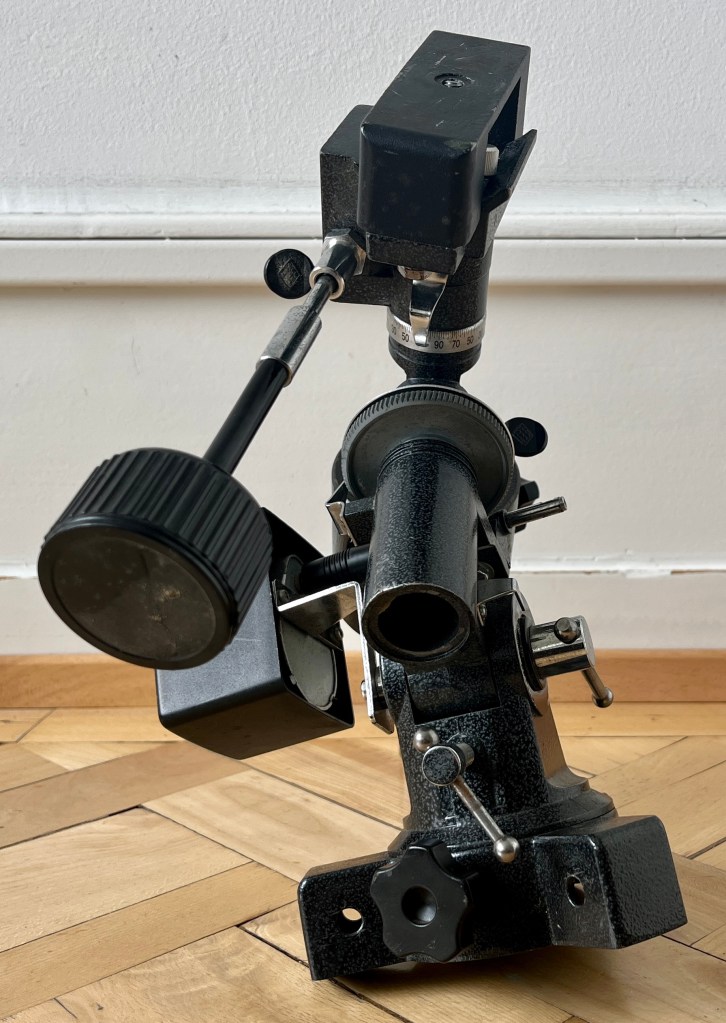
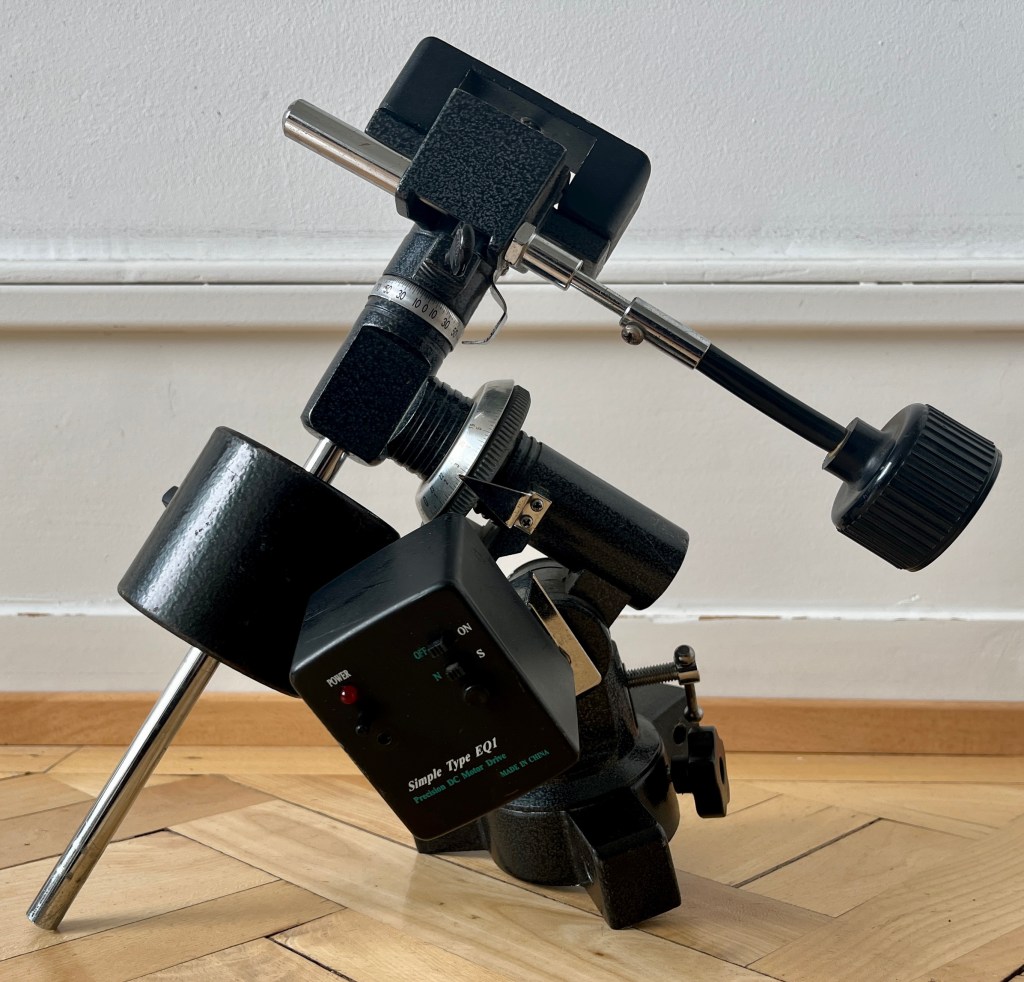
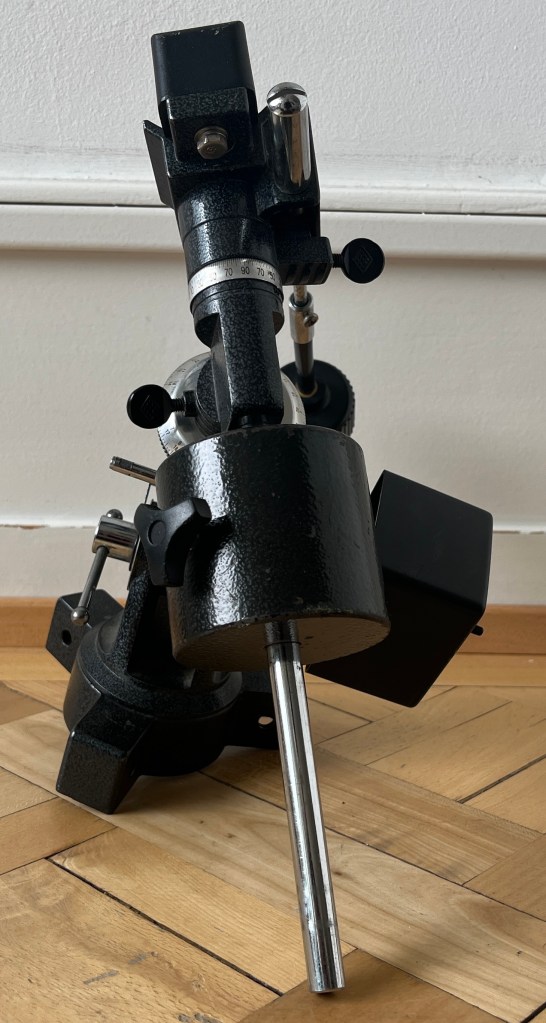
And the setup that started it all – the Oriuon ShortTube 80/400 on the motorised EQ1
 Everything Geek