
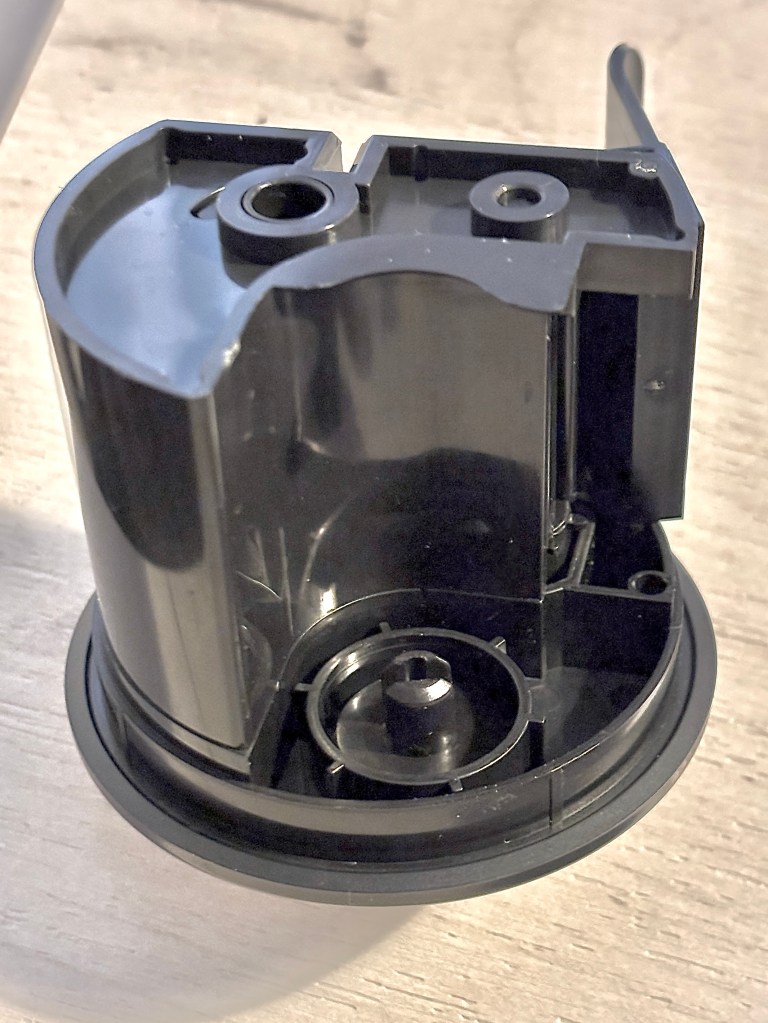
This is Lomo’s solution for daylight 35mm BW development at home. It consists of the development drum, the cartridge feed and the film extractor.
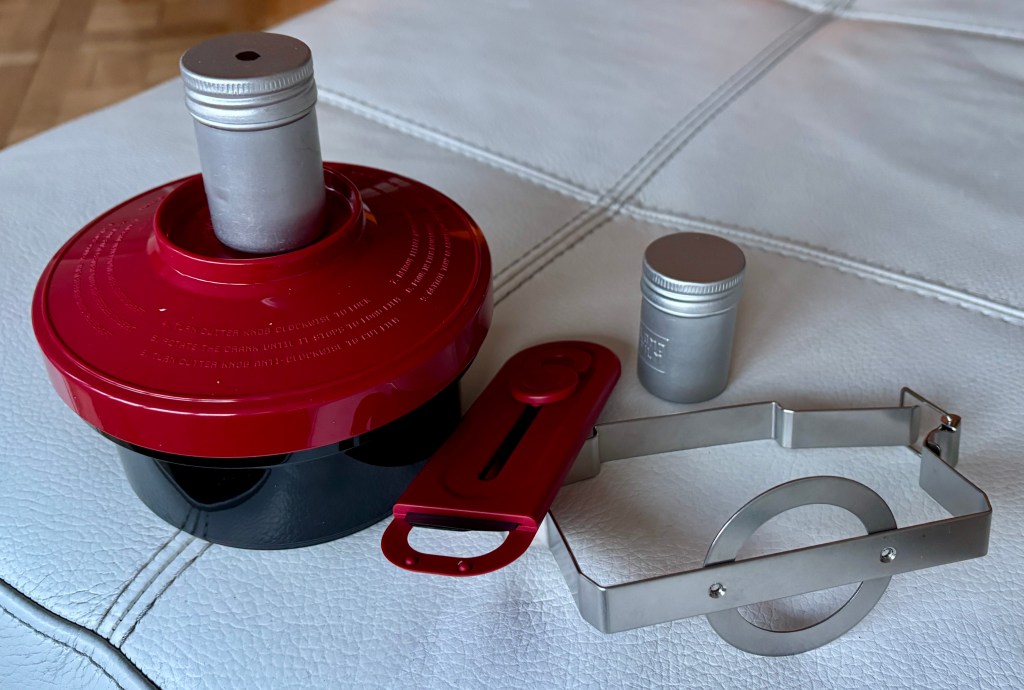
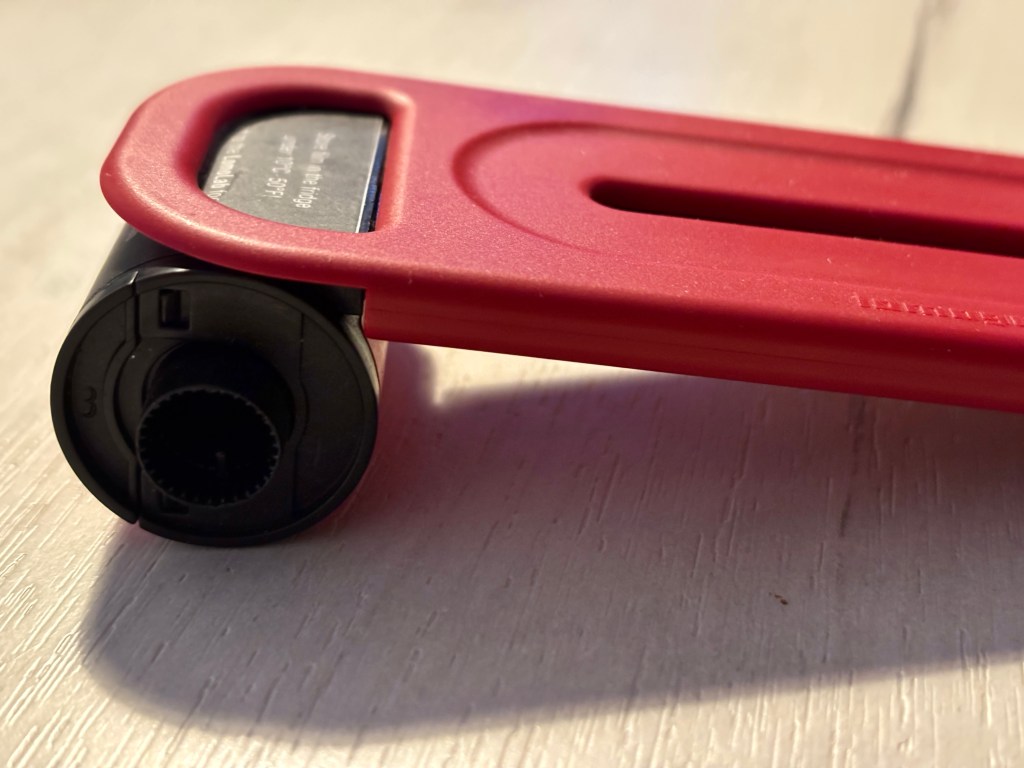
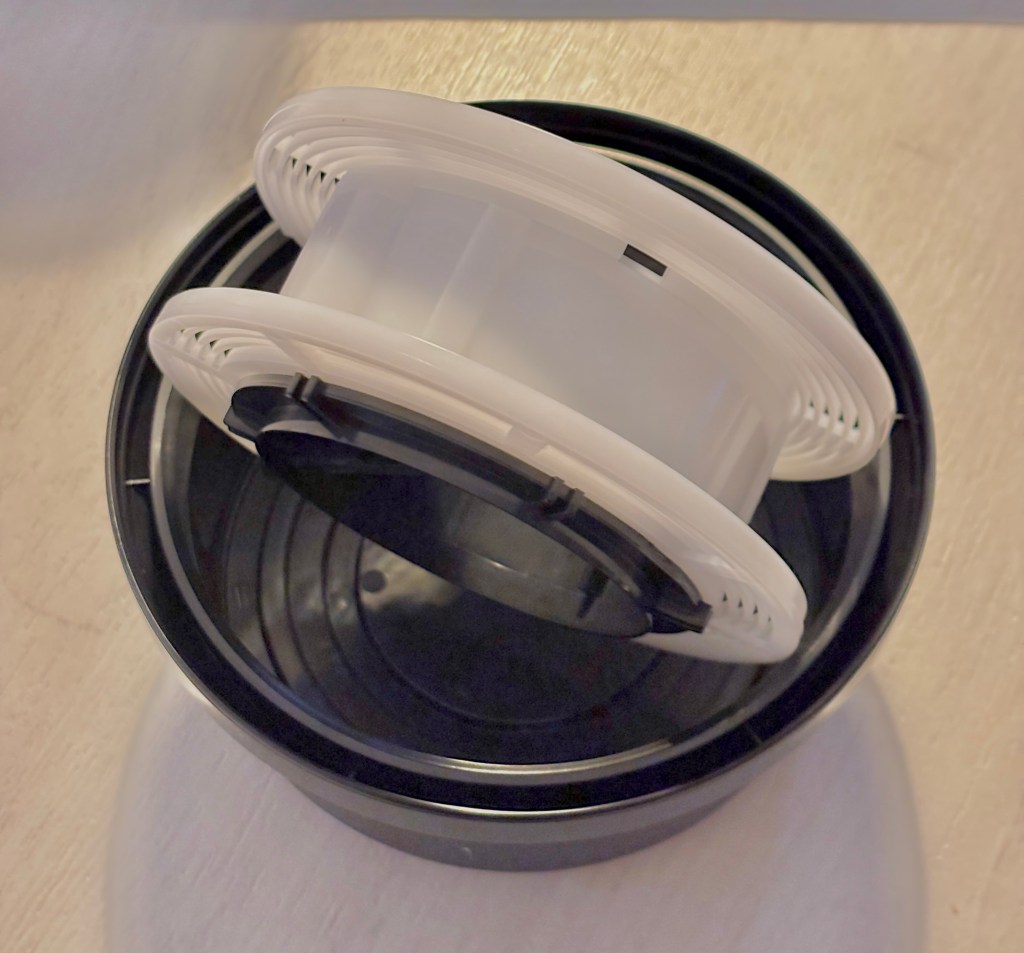
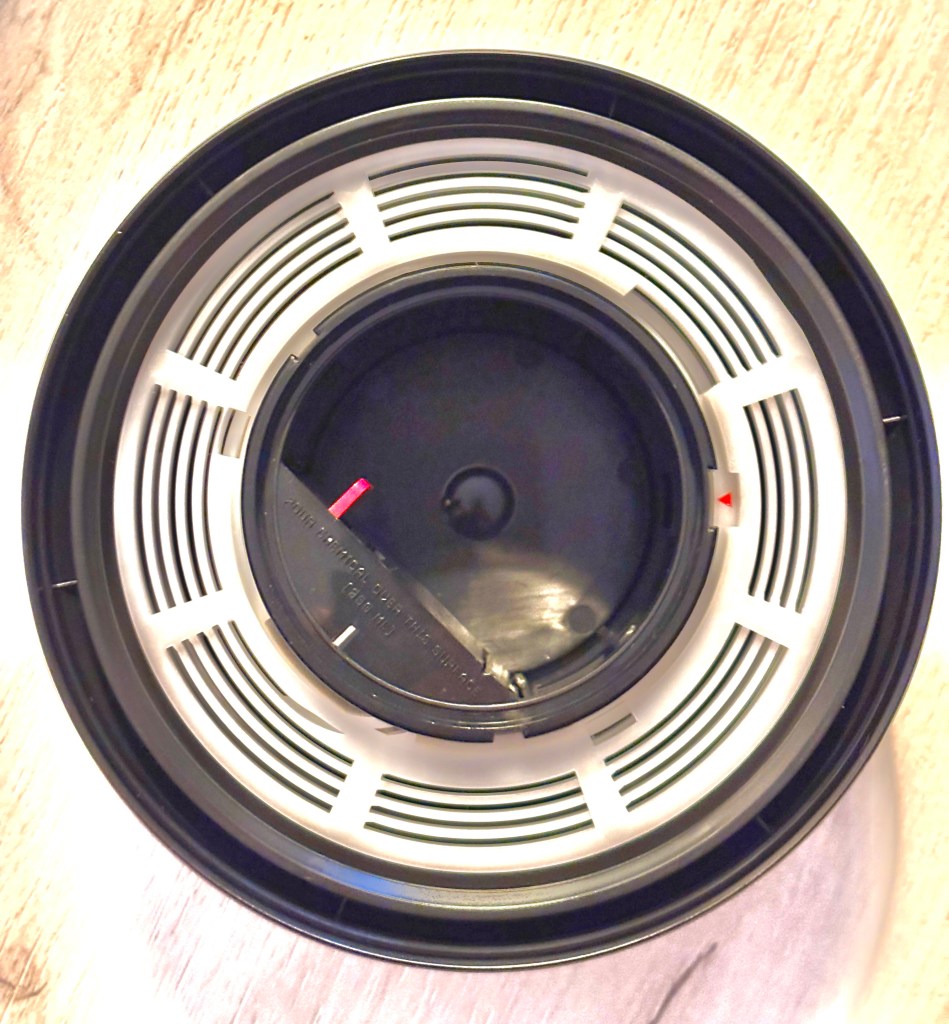
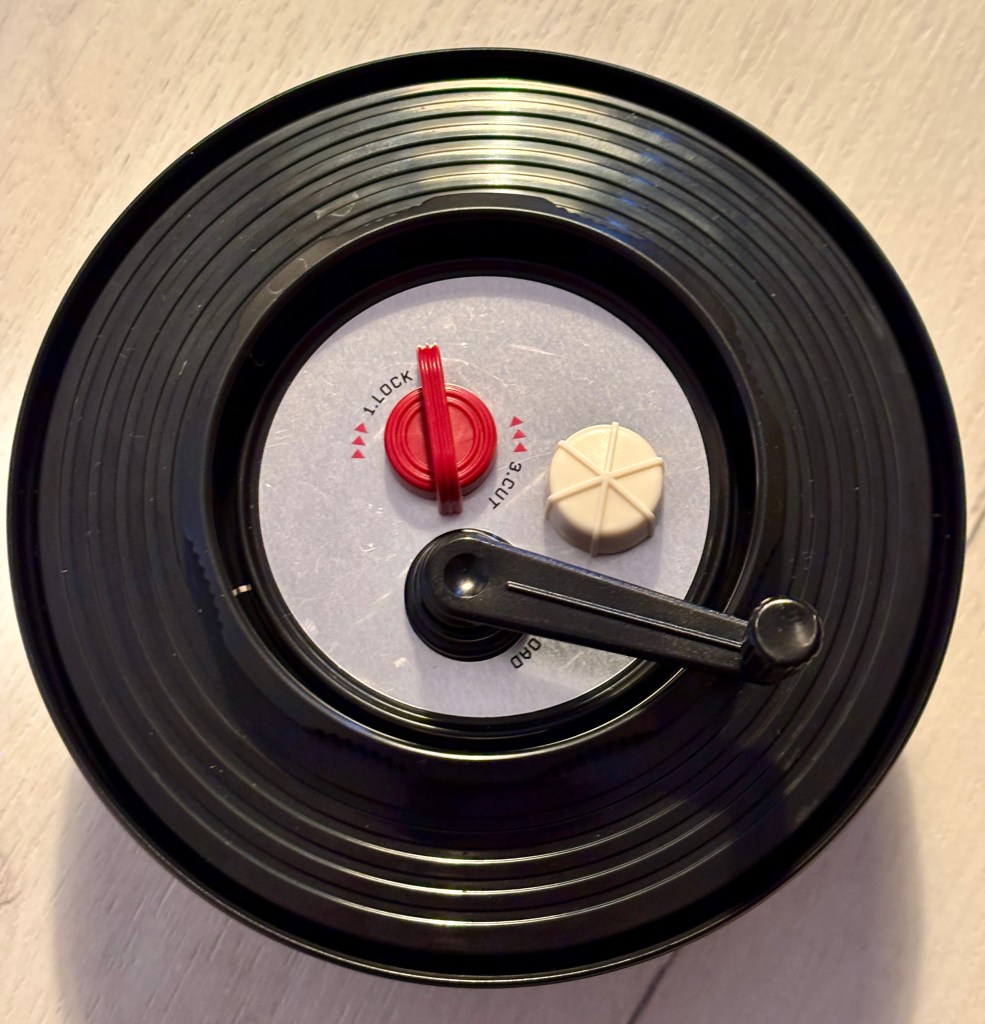
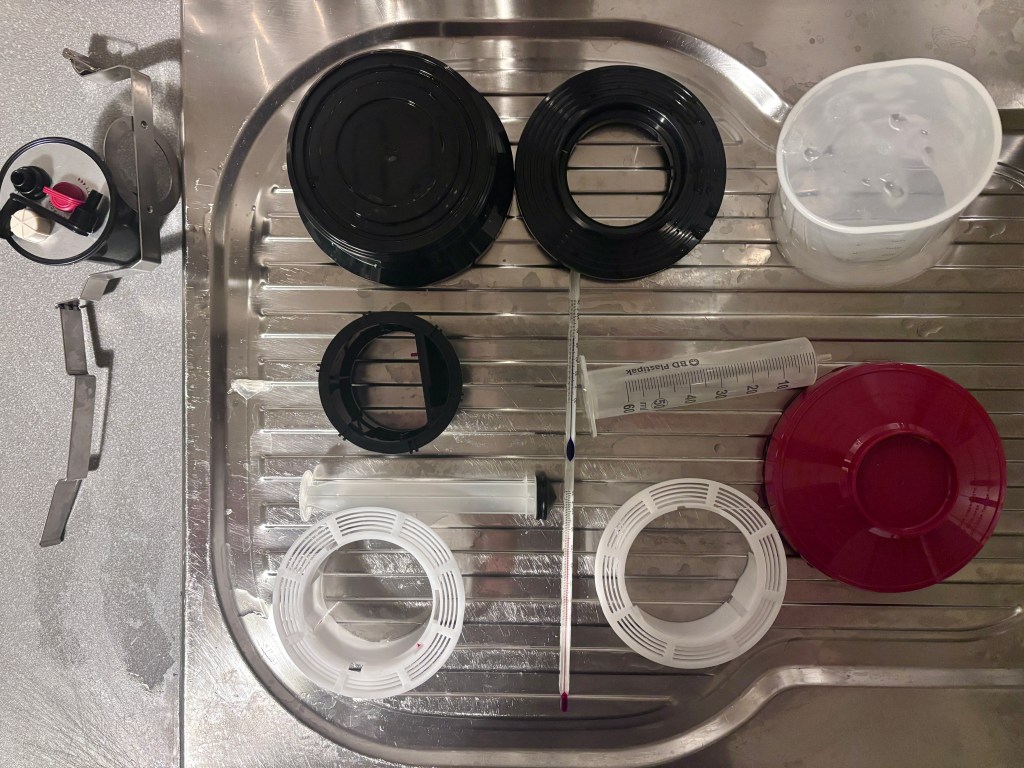
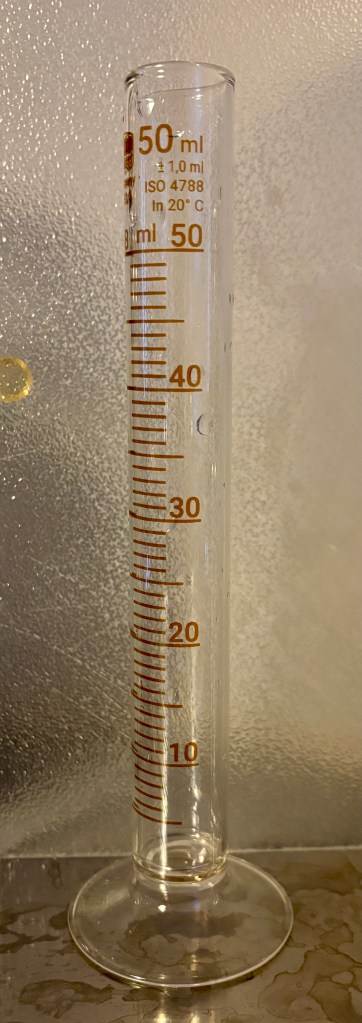
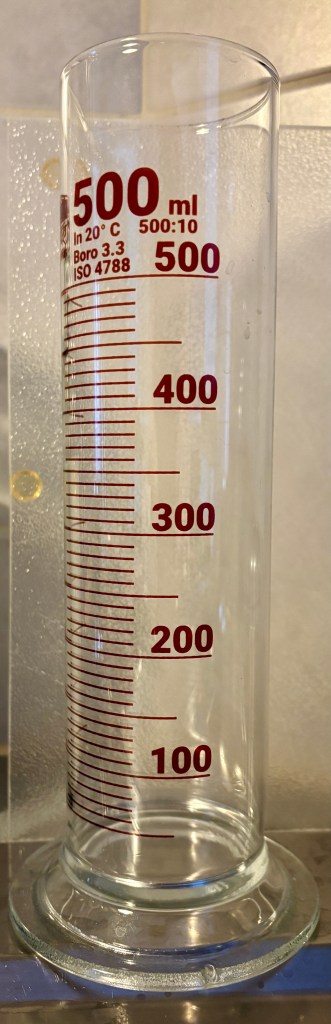
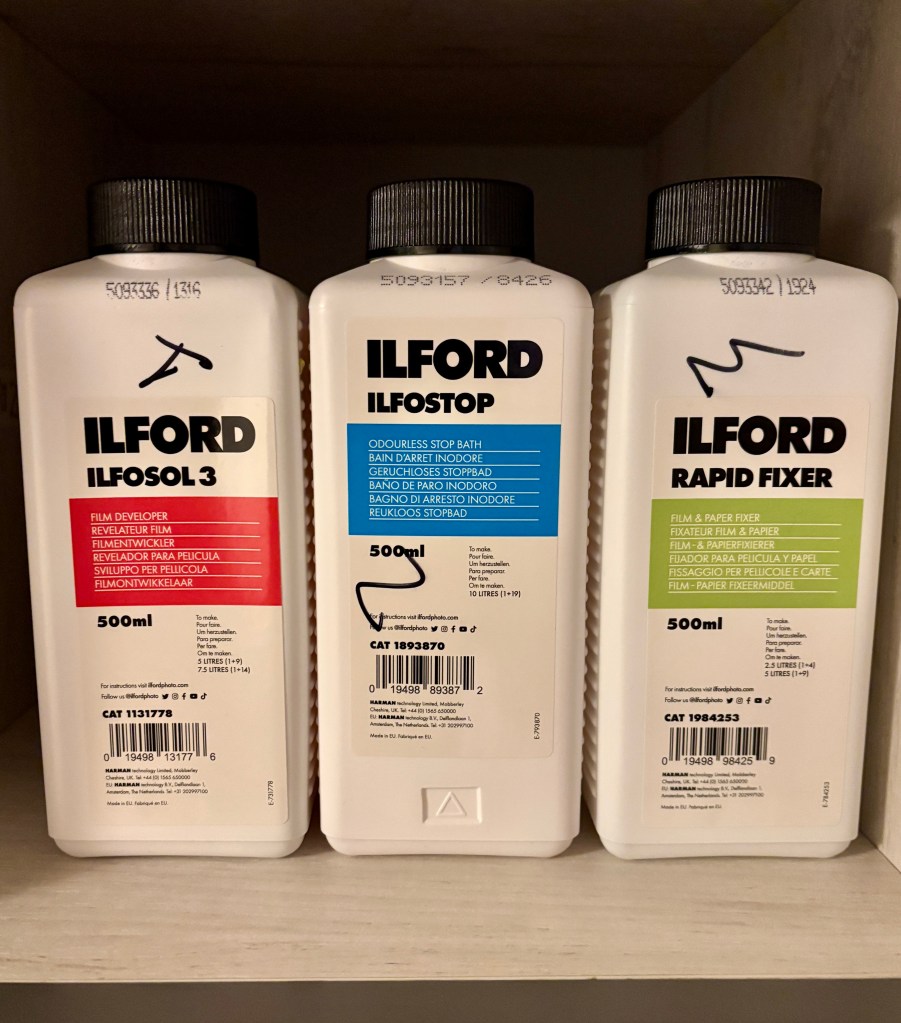
The developer, stopper and fixer need to be procured separately, as are the graduated containers, the thermometer, the distilled water and maybe the wetting agent (isopropyl alcohol).
THE WAY IT WORKS
Extract the tip of the exposed film from the cassette using the film extractor. This is easier said than done. It has 2 plastic blades that are supposed to hug the film (one on the top, one on the bottom) when inserted in the cassette and pull it out by friction alone.

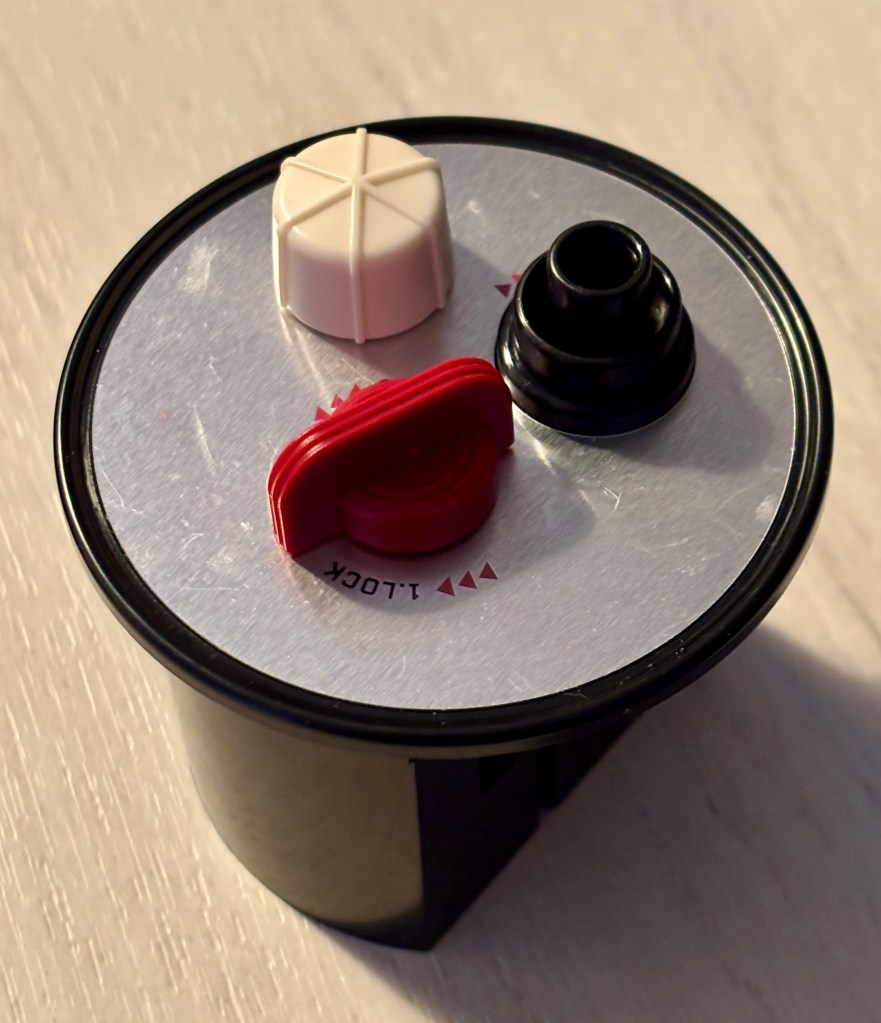
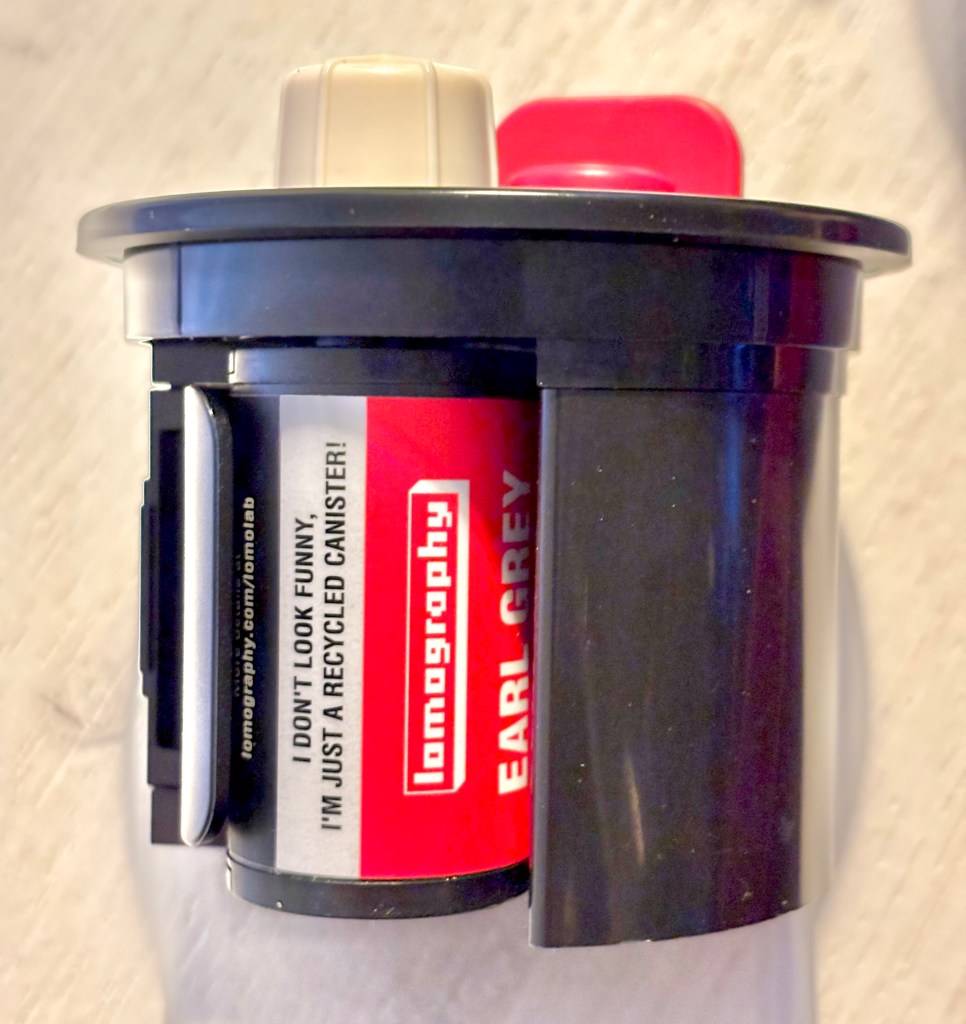
After trimming the exposed film at the 8th sprocket hole (apparently this is essential) and cutting the corners to avoid jams, it is inserted into the cartridge feed mechanism so that only a couple of mm come out of the other side.
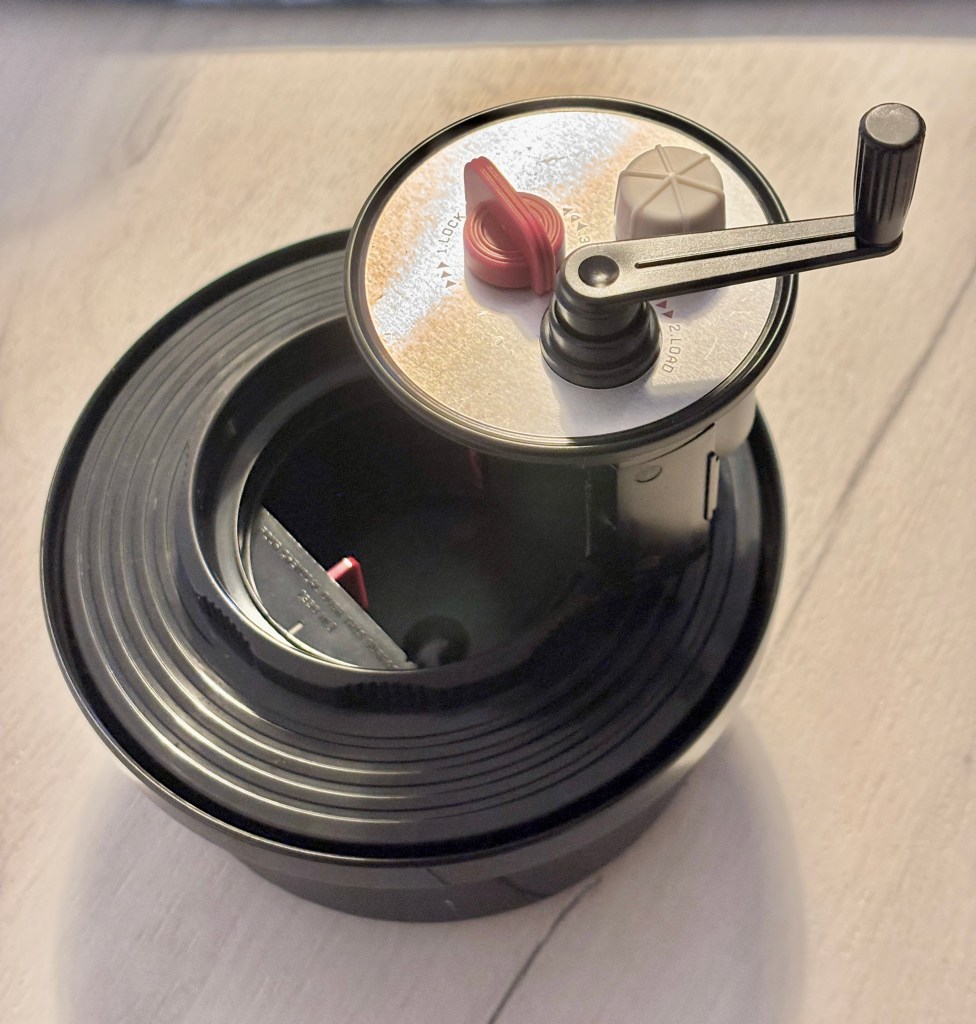
The mechanism is then inserted into the development drum that holds the cylindrical roll on which the film will be transferred to. This is done by turning a manivelle. Thin films will be ripped. The mechanism is plastic and jams will result in the sprockets tearing through the holes in the film. Caution and patience are advised.
After (hopefully) transferring all the film onto the drum cylinder, the feeding mechanism is removed to allow 350ml of the chemicals of your choice.
The drum has a metal hinge that secures the lid (it is quite spilly) for the agitation method of developing film. All instructions are printed on the lid, which looks killer.
All downsides considered, this is a brilliant product that makes me very happy. Sure, improvements are possible here and there, but as a whole, this solution is effective, cheap and so much fun.
DEVELOPING
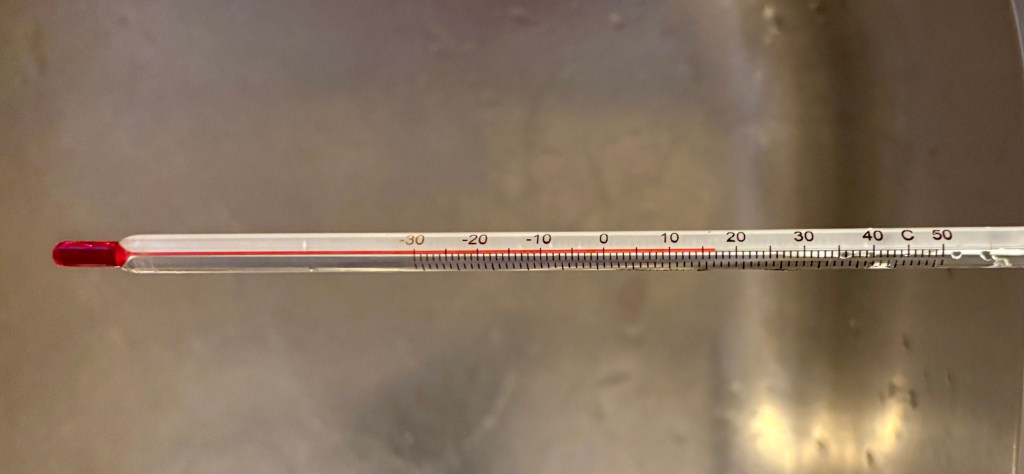
It’s fun. And pretty fast. The film is developed in a solution of developer and water for a set number of minutes at a given temperature. An application told me that Earl Grey ISO 100 needs 35ml of Isofol 3 developer and 315ml of water at 20 C for 6 minutes. You agitate the drum for the first minute, then for 10 seconds each following 5 minutes.
Pour out and replace with stopper (same dilution) for about one minute during which you shake the drum.
Pour out and replace with fixer. 6 minutes or so, same dilution and agitation rules as above.
Then wash the film for 10 minutes or so, with demineralized water, under a running tap, etc. many methods are available.
Then allow the film to dry for a couple of hours in a high-humidity environment (a steamy bathroom). This is apparently important to do (avoids crazy curling maybe?)
==========
UPDATE – April 2025
MECHANICAL FAILURE – Film extractor
The device that extracts the film from the cassette and transfers it to the development cylinder in the drum has ceased working: I believe the mechanism has been totally fucked by low-quality film (Lomo and Svema) that either broke when the sprokets tried to force it out of the capsule or when the blade failed to cut it properly and needed to be forced out. One cannot combine plastic (the Daylight develpment tank) with more shady plastic (Lomo films in recycled canisters), for fuckups shall arive.
It now works on the condition that there is absolutely no resistance when extracting the film, otherwise a clutch-kinda mechanism kicks in and the crank will turn on itself in a most useless manner. The risk is to extract only half of the film and lose many shots. Which is crap.
Contacted Lomo and am waiting for a replacement, or for them to sell me the part, or if all else fails I will buy another tank (or maybe two, since it’s prone to breaking). As suggested to Lomo, a premium, metal version would be ideal, especially if it would take 120mm film as well (this may not be possible because of that paper stuck to the film – but any problem has an engineer to defeat it).
=============
UPDATE – May 2025
CATASTROPHIC FAILURE – Replacement by Lomo
Upon inquiring whether the cartridge can be bought separately I was instructed to « smash it with a hammer and send us proof » – which I did, and Lomo replaced the whole thing. R-E-S-T-E-C-P-A.
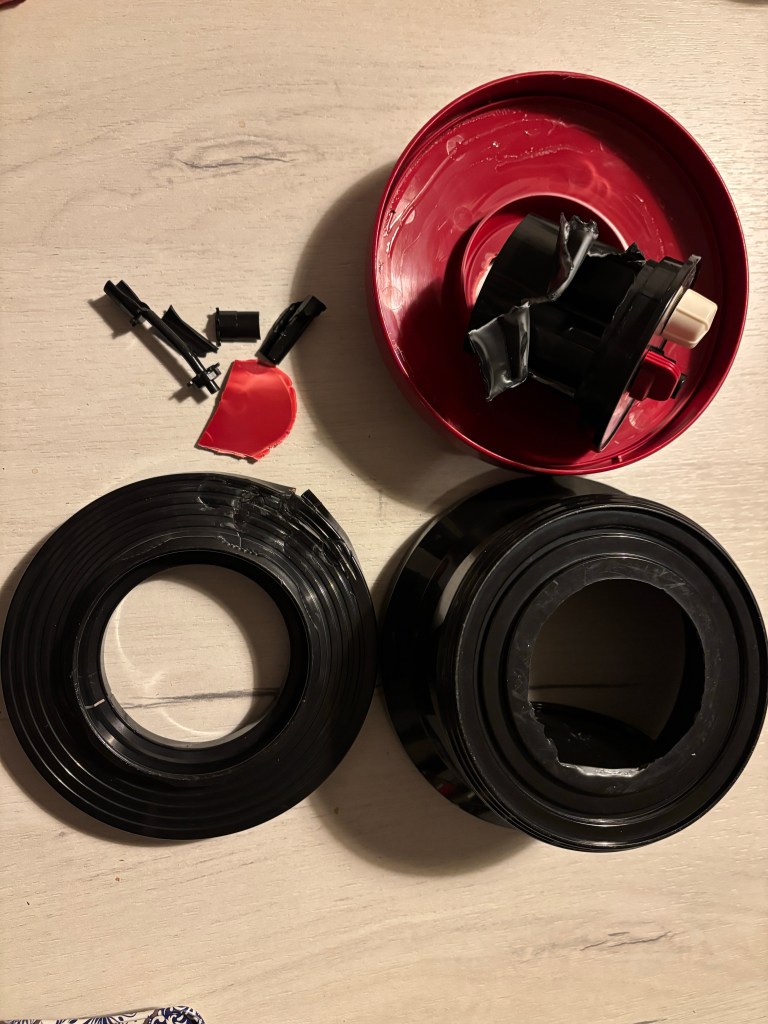
A word regarding the materials used: while the mechanical failure was due to the parts being made out of plastic, upon trying to destroy it I found that the plastic used is not only particularly sturdy, but very elastic. I am impressed.
 Everything Geek